
Nigeria’s national power supply ‘totally derailed’ amid persistent grid instability
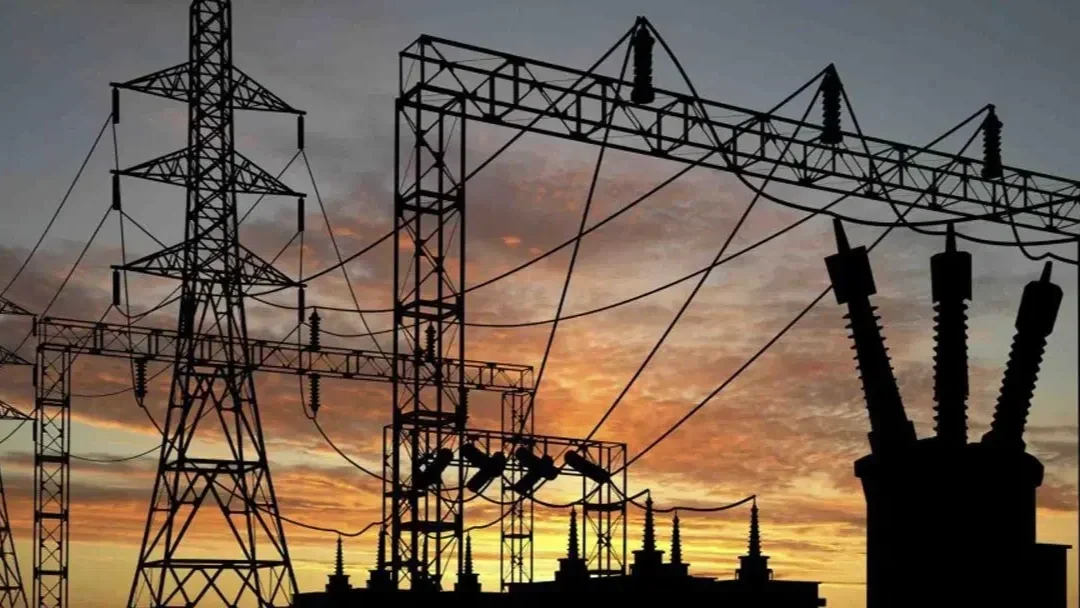
Experts warn Nigeria’s electricity system ‘totally derailed’ after repeated grid failures
Nigeria’s electricity supply system has been described as “totally derailed,” highlighting growing concerns about the stability and performance of the country’s power sector.
Industry stakeholders and consumer advocates say persistent grid collapses, declining generation capacity, and structural weaknesses in the electricity value chain have significantly undermined the reliability of power supply across the country.
The development reflects broader challenges facing Nigeria’s electricity infrastructure, which continues to struggle with inadequate generation capacity, gas supply constraints, and ageing transmission networks.
Repeated grid collapses worsen electricity shortages
Nigeria’s national grid has experienced repeated disruptions in recent months, leading to widespread outages across multiple states.
Distribution companies have frequently reported sudden loss of power supply following system failures on the national grid, leaving millions of households and businesses without electricity.
Consumer advocacy groups argue that these recurring collapses highlight deep structural weaknesses in the power system, particularly within the transmission network responsible for evacuating electricity from generating plants.
Energy analysts note that the national grid remains highly vulnerable due to limited redundancy, insufficient maintenance, and capacity constraints within the transmission infrastructure.
Consumers raise concerns over service reliability
Electricity consumers across the country continue to express frustration over unstable power supply and billing practices.
Advocacy groups representing electricity consumers say that many households and businesses remain heavily reliant on alternative power sources such as diesel and petrol generators to maintain operations during outages.
They also argue that consumers often face estimated billing even during prolonged power disruptions, raising questions about accountability within the electricity distribution segment.
Structural issues across the power value chain
Nigeria’s electricity sector operates through a value chain that includes power generation companies (GenCos), the Transmission Company of Nigeria (TCN), and distribution companies (DisCos).
However, experts say systemic problems exist across each segment of the value chain. Generation capacity remains constrained by inadequate gas supply to power plants, while the transmission network struggles to efficiently distribute available electricity nationwide.
Distribution companies also face operational and financial challenges, including infrastructure deficits and high levels of electricity theft.
These interconnected challenges have contributed to persistent supply shortages despite repeated policy reforms aimed at improving the sector.
Calls for deeper power sector reforms
Energy sector analysts say addressing Nigeria’s electricity crisis will require comprehensive reforms focused on infrastructure investment, regulatory accountability, and improved sector governance.
Key recommendations from industry experts include strengthening transmission capacity, expanding domestic gas supply to power plants, and accelerating investment in renewable energy sources.
They also emphasise the importance of improving transparency and financial sustainability within the electricity market to attract private sector investment.
Outlook
Nigeria’s electricity sector remains a critical component of the country’s economic development strategy.
However, the description of the national power supply system as “totally derailed” underscores the urgency of structural reforms needed to stabilise the grid, increase generation capacity, and ensure reliable electricity supply for households, businesses, and industrial growth.
For policymakers and investors, the ongoing challenges in the power sector highlight the importance of sustained infrastructure investment and regulatory reforms aimed at strengthening Nigeria’s energy security and long-term economic competitiveness.
