
How Nigeria’s New Tax Reforms Could Drive Up Rents and Property Prices in 2026
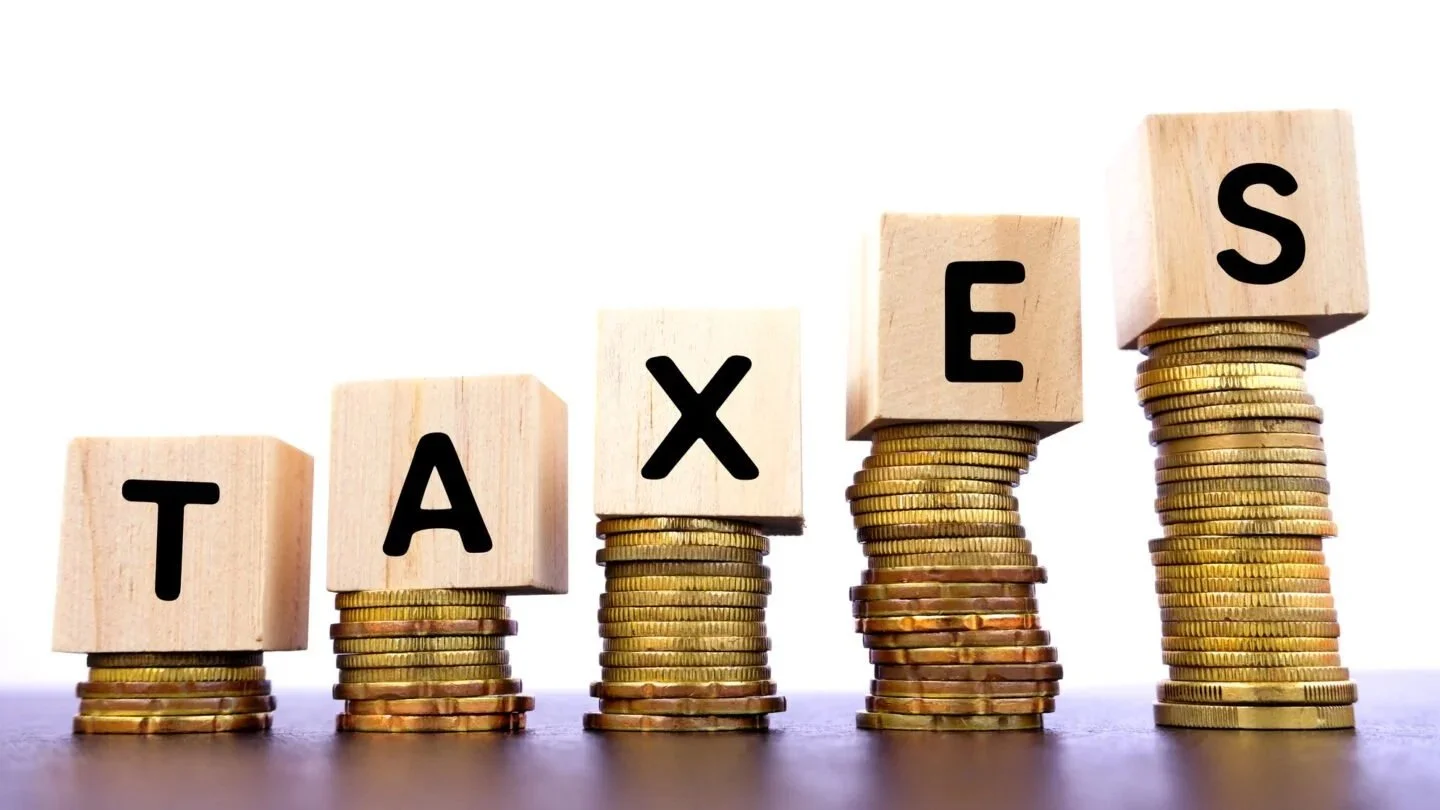
New Tax Policies Threaten Housing Affordability in Nigeria
Federal government tax reforms are poised to significantly alter the dynamics of Nigeria’s property market in 2026, with industry experts warning of a likely surge in rents and property prices. The implications of these fiscal shifts were a central theme at the 10th AlphaCrux Real Estate Outlook Conference held on Thursday in Lagos, themed “Amplifying Resilience in the Real Estate Industry in a Disputed Global Economy.”
Tobi Adama, Managing Director of AlphaCrux Limited, identified the new tax policies as a critical driver for the sector this year. He noted that the market is already exhibiting early signs of price adjustments as property owners begin to transfer the additional tax burden to tenants and buyers.
The Burden of Reform on Housing Costs
"One of the key things is the new tax reform," Adama stated. "We are still grappling with it and trying to understand it. But one of the effects we have seen is that it has automatically increased the prices of rents and properties."
Despite these challenges, Adama pointed to a broader economic recovery as a silver lining. He highlighted declining inflation, growing external reserves, and the gradual return of foreign investors as positive indicators for the real estate industry. Furthermore, he noted the increasing role of technology ranging from digital invoicing to smart building designs in enhancing sector efficiency over the last decade.
Analyzing the 1.5% Luxury Property Tax
A central component of the Nigeria Tax Act 2025 is the introduction of a 1.5 per cent annual luxury property tax. This levy specifically targets high-value residential properties in upscale districts such as Ikoyi, Banana Island, and Victoria Island in Lagos, as well as Maitama and Asokoro in Abuja.
Akin Opatola, Chief Operating Officer of Brokerfield Real Estate Services Limited, described the tax as an innovative revenue-generating tool for the government. However, he cautioned that for such taxes to be sustainable and justifiable, they must be matched by significant improvements in public infrastructure.
"In terms of infrastructure, we still have a long way to go roads, drainage, street lights, and security," Opatola remarked. He cited persistent issues like flooding and poor road networks even in elite enclaves like Banana Island, arguing that better infrastructure would ultimately boost property values and, by extension, tax revenues.
The broader tax reforms, which also encompass changes to personal income, corporate tax, and capital gains tax, represent a significant pivot in Nigeria’s fiscal administration. While these measures aim to bolster government revenue, the immediate consequence for the real estate sector appears to be a reduction in housing affordability. For policymakers, the challenge will be balancing revenue mobilization with the need to support a sector that remains a vital pillar of national economic growth.
