
Lagos Leads as Nigeria’s Sub-National Budgets Surge 45% to ₦36.98 Trillion in 2026
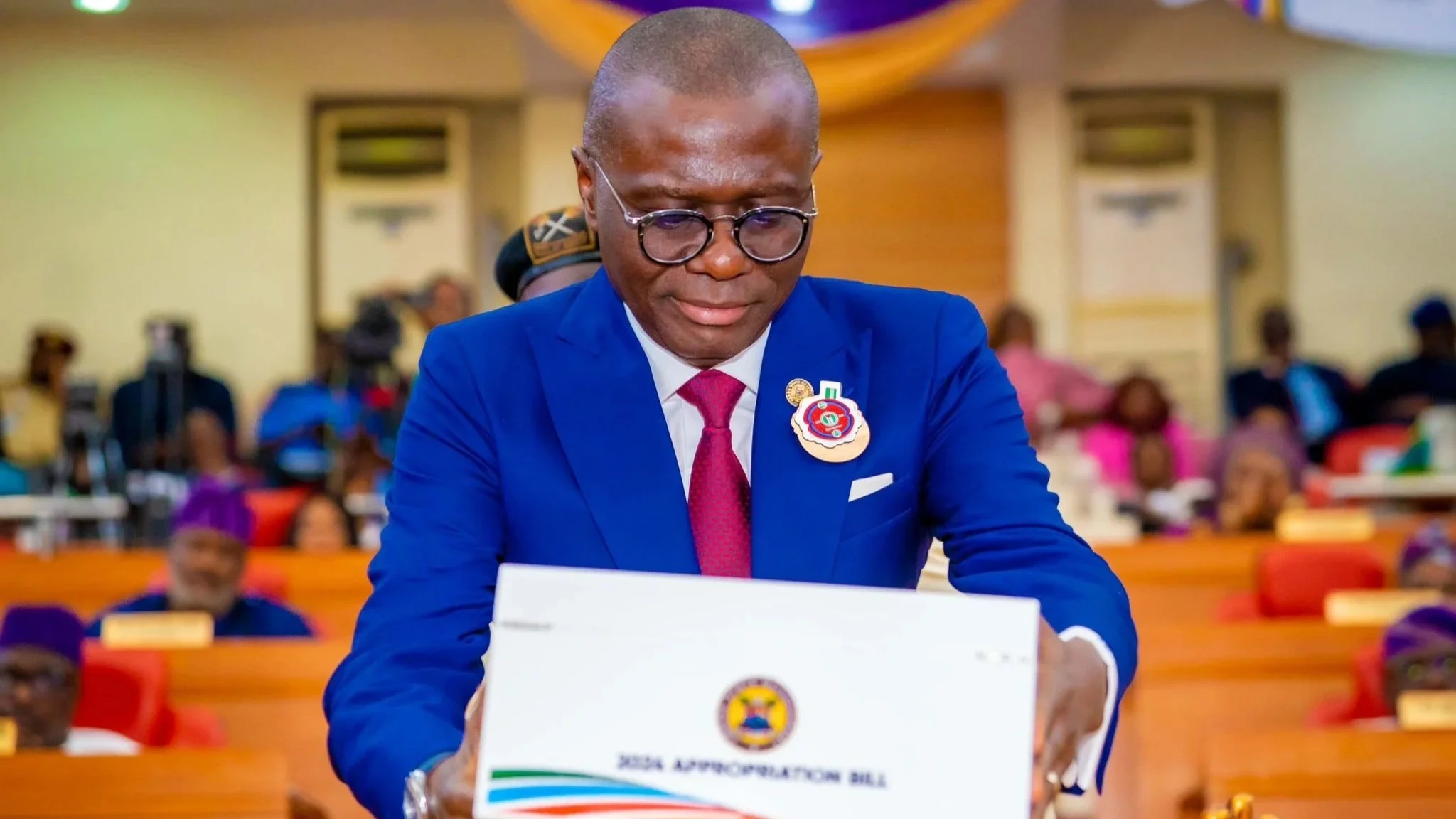
Lagos Maintains Dominance with Record ₦4.44tn Budget
Lagos State has solidified its position as Nigeria’s primary sub-national economic powerhouse, proposing a historic ₦4.44 trillion budget for the 2026 fiscal year. This development comes as total state budgets across the federation surged by 45 per cent, reaching a cumulative ₦36.98 trillion, compared to the ₦25.58 trillion recorded in 2025.
According to data following the passage of appropriation bills by 34 of the 36 State Houses of Assembly, the 2026 fiscal cycle reflects an aggressive expansionary posture by sub-national governments. While Lagos leads the expenditure chart, Kano State has also entered the trillion-naira bracket with a proposed budget of ₦1.48 trillion, though it remains significantly behind the fiscal scale of Lagos.
Drivers of Fiscal Expansion
Economic analysts attribute this sharp rise in state-level spending to several factors, including enhanced federal allocations and a robust increase in Internally Generated Revenue (IGR), particularly within economically vibrant hubs. The South West geopolitical zone, anchored by the Lagos economy, accounts for the largest share of this total sub-national spending, highlighting a widening gap in regional economic capacity.
State governors have defended the increased spending as a necessary response to population growth and the need for critical infrastructure. The 2026 projections are intended to stimulate local economies, improve public service delivery, and align with broader federal economic reforms.
Risks and Accountability Concerns
Despite the optimistic spending plans, experts have raised concerns regarding the sustainability of these record figures. High debt-servicing costs, potential weaknesses in revenue mobilisation, and overly ambitious projections could place immense pressure on state treasuries.
The Promad Foundation, a civil society organisation focused on public accountability, has questioned whether these record budgets will translate into tangible benefits for citizens. In a statement issued by Communications Officer Joseph Akujuobi, the foundation emphasised that success must be measured by improvements in transport, healthcare, education, and economic opportunities rather than just the size of the appropriation.
As Nigeria enters the 2026 fiscal year, the implementation of these expanded budgets will serve as a litmus test for sub-national governance. With Lagos State setting a benchmark of ₦4.44 trillion, policymakers and investors will closely monitor how this capital is deployed to address urban renewal and infrastructure deficits. The focus now shifts to transparency and oversight to ensure that the 45 per cent increase in state spending yields a corresponding rise in the standard of living for Nigerians.
