
Nigeria Eyes LNG Price Gains as QatarEnergy Halts Production After Drone Attacks
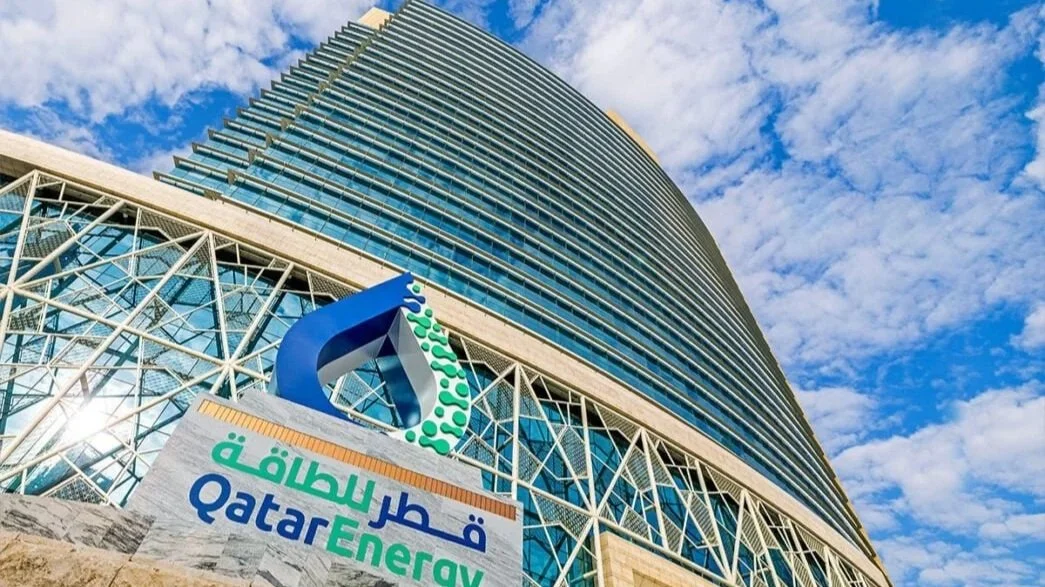
Nigeria Positioned for LNG Revenue Upside Amid Global Supply Shock
Nigeria could experience higher liquefied natural gas (LNG) export revenues following the suspension of LNG production by QatarEnergy after drone attacks targeted critical energy facilities in Qatar. The disruption has triggered a sharp rise in global gas prices and tightened supply across international markets.
The attacks reportedly struck energy infrastructure in Ras Laffan Industrial City and Mesaieed, key locations for Qatar’s gas processing operations. In response, QatarEnergy halted LNG production and associated products as a precautionary measure, creating uncertainty in global gas supply chains.
Because Qatar supplies roughly 20% of the world’s LNG, any sustained disruption is expected to have significant implications for global energy markets.
Global Gas Prices Rise on Supply Concerns
The halt in production has already triggered strong movements in energy markets.
Benchmark natural gas prices in Europe and Asia surged as traders reacted to the sudden supply shock. Some European gas contracts rose sharply as markets priced in the risk of prolonged supply disruptions from the Gulf region.
The geopolitical escalation has also affected broader energy markets. Oil prices climbed above $82 per barrel, reflecting concerns about potential disruptions to energy shipments through the Strait of Hormuz, one of the world’s most important energy transit routes.
Energy analysts warn that if the disruption continues, the supply gap could significantly tighten the global LNG market, forcing buyers in Asia and Europe to seek alternative suppliers.
Potential Upside for Nigeria’s LNG Exports
For Nigeria, the situation could create a short-term pricing advantage.
Nigeria is one of Africa’s largest LNG exporters through the Nigeria LNG (NLNG) facility located on Bonny Island. With a major competitor temporarily offline, global buyers may increase demand from alternative producers such as Nigeria, Australia, and the United States.
Higher LNG prices typically translate into stronger export earnings for gas-producing countries. Industry analysts note that Nigeria could benefit from improved contract pricing and increased spot market demand if the supply disruption persists.
However, the scale of potential gains will depend on Nigeria’s export capacity and the duration of the production halt in Qatar.
Strategic Importance of Qatar in Global LNG Markets
Qatar plays a central role in global natural gas supply.
Its Ras Laffan complex is the largest LNG export terminal in the world, producing more than 100 billion cubic metres of LNG annually and serving major markets in Asia and Europe.
The suspension of operations at such a critical facility has intensified fears of a broader energy shock, particularly if geopolitical tensions escalate further in the Middle East.
Energy analysts warn that prolonged disruptions could push global LNG prices significantly higher, especially during periods of strong seasonal demand.
Implications for Global Energy Security
The incident underscores the vulnerability of global energy infrastructure to geopolitical risks.
The Middle East remains a critical hub for both oil and natural gas exports, and disruptions to facilities or shipping routes can rapidly influence global commodity prices. Shipping activity through the Strait of Hormuz has already slowed amid security concerns, adding further uncertainty to energy markets.
For energy-importing countries, rising LNG prices could increase electricity generation costs and pressure inflation levels.
Outlook
The temporary halt of LNG production by QatarEnergy has injected significant volatility into global gas markets. While the duration of the disruption remains uncertain, the immediate impact has been a sharp tightening of supply and rising prices.
For Nigeria, the situation presents a potential opportunity to capture higher LNG export revenues if global demand shifts toward alternative suppliers.
The trajectory of prices, however, will largely depend on how quickly production resumes in Qatar and whether geopolitical tensions in the Middle East escalate further.
