
Lekki Port Emerges Nigeria’s Busiest Port as Cargo Throughput Surges in 2025
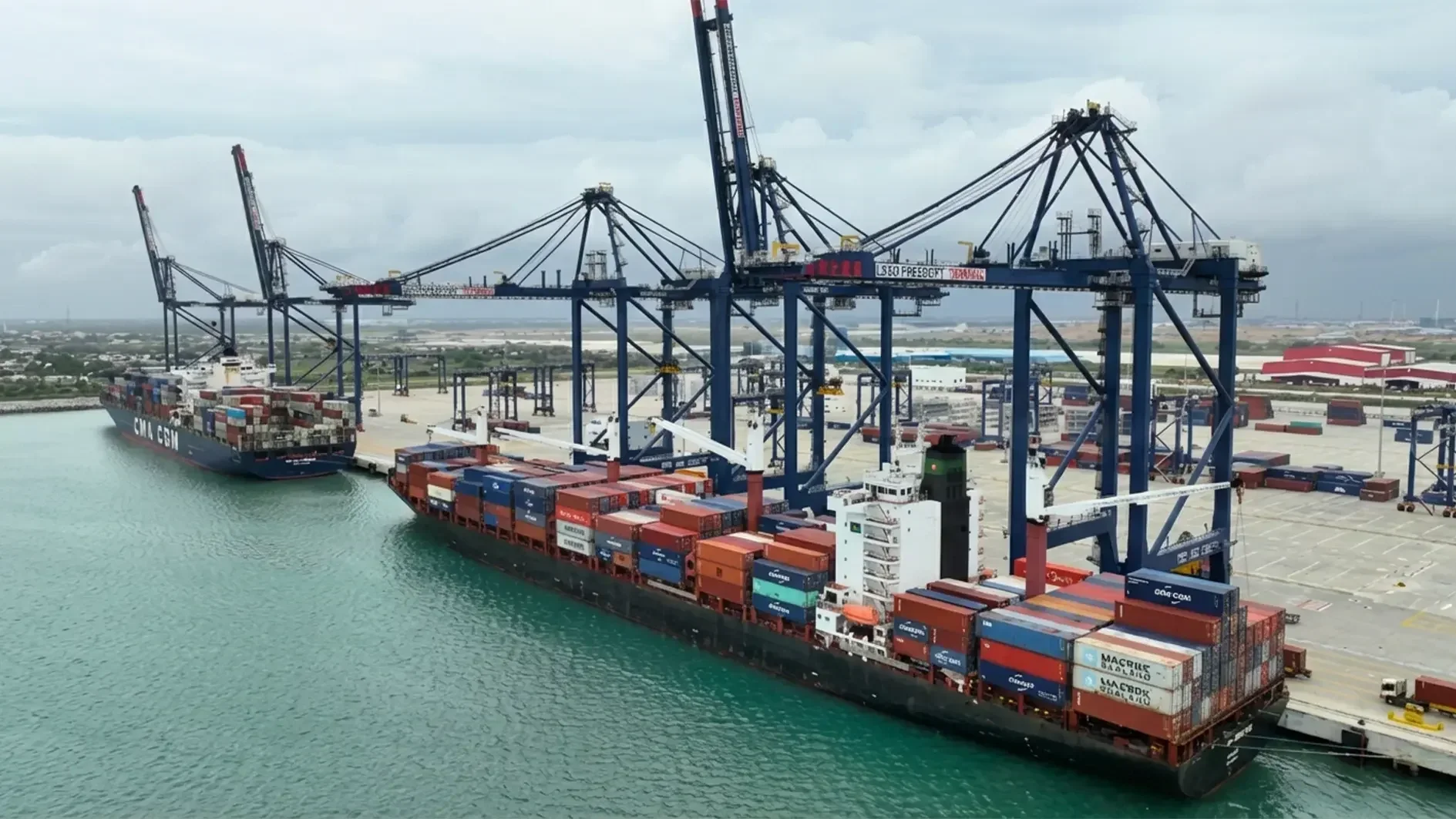
Cargo Volumes Surge as Lekki Deep Sea Port Becomes Nigeria’s Leading Port
The Lekki Deep Sea Port has emerged as Nigeria’s leading port in cargo handling for 2025, according to the 2025 Operational Performance Report released by the Nigerian Ports Authority (NPA).
The report, presented by the Managing Director of the NPA, Abubakar Dantsoho, shows that the Lagos-based port handled the largest share of cargo among Nigerian ports during the year, underscoring its growing importance in the country’s maritime trade network.
The performance signals a structural shift in Nigeria’s port operations, with the relatively new deep-sea facility rapidly gaining prominence over older ports.
Nigeria’s Port Cargo Volumes Increase
Data from the NPA report indicate that total cargo throughput across Nigerian ports rose by 24.8% in 2025, reaching 129.3 million metric tonnes.
The increase reflects stronger import demand, rising export activity, and higher container traffic within Nigeria’s maritime sector.
Within this expanded trade environment, Lekki Deep Sea Port accounted for 40.6% of Nigeria’s total cargo throughput, making it the country’s busiest port for the year.
Other major ports recorded lower shares of cargo activity:
Onne Port: 19.1% of total cargo throughput
Apapa Port: 16.7% of total cargo throughput
Despite Lekki’s dominance in cargo volumes, Tin Can Island Port recorded the highest number of vessel arrivals, accounting for 22.7% of all ship calls in 2025.
Cargo Composition and Container Traffic
The NPA report also highlights the composition of cargo handled across Nigerian ports during the year.
Imports: 59.2% of total cargo
Exports: 39%
Trans-shipment: 1.8%
Imports mainly consisted of industrial equipment, raw materials, and consumer goods, while exports included agricultural commodities and other non-oil products.
Containerised cargo accounted for 24% of total throughput, while liquid bulk cargo such as petroleum products and chemicals represented 54.7%, making it the largest cargo category handled in Nigerian ports.
Container traffic also showed strong growth, exceeding 2.1 million twenty-foot equivalent units (TEUs) during the year.
Rising Importance of Lekki Port
Commissioned in 2023, the Lekki Deep Sea Port has rapidly become one of the most strategic maritime assets in Nigeria.
Located in the Lagos Free Zone, the port was designed to accommodate large container vessels and improve cargo handling efficiency across West Africa.
Industry analysts attribute the port’s rapid growth to several factors, including modern infrastructure, deep-water capacity, and its proximity to major industrial facilities such as the Dangote refinery complex.
These advantages allow the port to handle larger vessels and facilitate faster cargo turnaround, strengthening Nigeria’s competitiveness in regional shipping and logistics.
Implications for Nigeria’s Trade and Logistics Sector
The surge in cargo volumes reflects broader momentum within Nigeria’s maritime sector as the government seeks to diversify the economy and expand non-oil exports.
Higher cargo throughput indicates stronger trade flows and improved port efficiency, both of which are critical for supporting industrial production and international commerce.
The rise of Lekki Deep Sea Port also signals a gradual shift in Nigeria’s port hierarchy, as newer infrastructure begins to absorb trade volumes traditionally handled by older ports.
Outlook
Nigeria’s port system recorded one of its strongest annual performances in 2025, driven by rising cargo volumes, expanding container traffic, and increasing export activity.
With its growing cargo share and strategic location, Lekki Deep Sea Port is expected to play a central role in Nigeria’s maritime logistics and regional trade integration in the coming years.
Continued investments in port infrastructure and trade facilitation measures will likely determine how effectively the country sustains this growth and strengthens its position as a major shipping hub in West Africa.
