
Nigeria Signals Economic Recovery at World Economic Forum as Investment Policy Reforms Gain Momentum
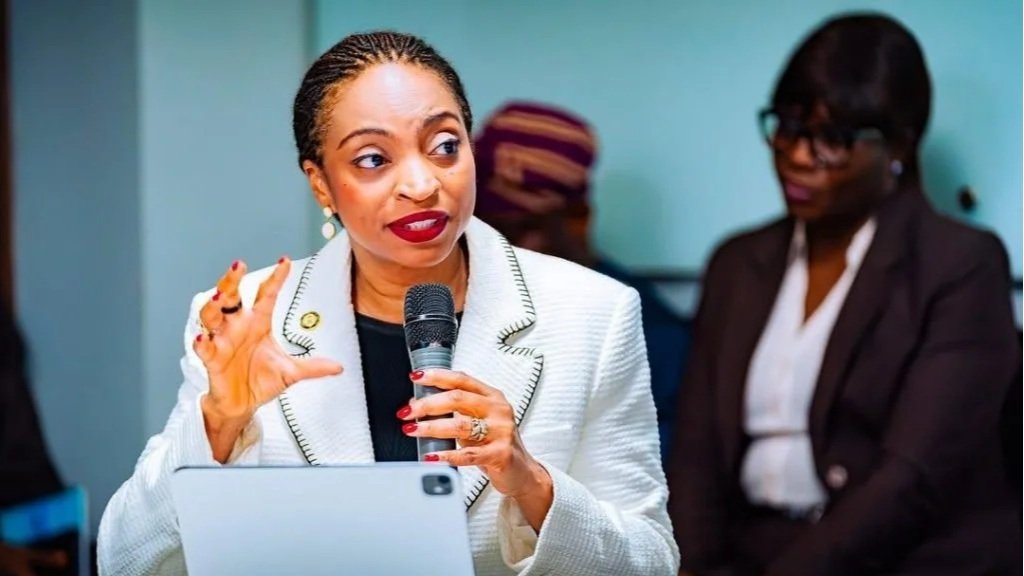
Dr Jumoke Oduwole Minister of Industry, Trade and Investment
The Minister of Industry, Trade and Investment, Dr Jumoke Oduwole, has affirmed Nigeria’s trajectory toward sustainable economic recovery during the 2026 World Economic Forum (WEF). Speaking to a global audience of investors and policymakers, the Minister detailed how recent structural reforms and a stabilising macroeconomic environment are positioning the country as a primary destination for foreign direct investment (FDI).
Structural Reforms and Macroeconomic Stability
According to the Ministry of Industry, Trade and Investment, the federal government’s focus remains on streamlining the business environment through the Presidential Enabling Business Environment Council (PEBEC). Dr Oduwole highlighted that the removal of trade barriers and the harmonisation of foreign exchange markets have begun to yield measurable results. These reforms are intended to provide the predictability required by international capital markets.
The Minister noted that the government is prioritising "productive sectors," including manufacturing and infrastructure, to move away from oil dependency. This shift is critical for the housing sector, as industrial growth directly influences urban migration patterns and the demand for commercial and residential real estate.
Incentivising Infrastructure and Housing Investment
A significant portion of the Nigerian delegation’s engagement at Davos focused on the "Renewed Hope" infrastructure agenda. Dr Oduwole emphasised that Nigeria is open to Public-Private Partnerships (PPPs) to bridge the country’s infrastructure gap, which is a prerequisite for large-scale housing delivery.
By presenting a unified investment front, the government seeks to attract institutional investors into the real estate value chain. The Minister asserted that the administration is committed to protecting investments through enhanced legal frameworks and the enforcement of contract sanctity. This is particularly relevant for the construction industry, where long-term financing and land tenure security remain paramount for project viability.
Global Sentiment and Domestic Impact
While acknowledging the inflationary pressures that have impacted the Nigerian economy over the past two years, the Minister pointed to recent data suggesting a deceleration in price volatility. The government’s strategy involves leveraging the African Continental Free Trade Area (AfCFTA) to position Nigeria as a regional hub for construction materials and consumer goods.
According to Dr Oduwole, the international community’s perception of Nigeria is shifting from cautious observation to active engagement. The delegation reported successful bilateral meetings aimed at securing commitments for tech driven urban renewal projects and sustainable energy solutions for new housing developments.
The affirmations made at the World Economic Forum signal a proactive approach to rebuilding Nigeria’s economic reputation on the global stage. For the housing and infrastructure sectors, the promised recovery and policy reforms offer a potential influx of liquidity and technical expertise. However, the long-term success of these global overtures will depend on the consistent implementation of domestic policies that reduce the cost of doing business and enhance the purchasing power of the Nigerian populace.
