
NGX All-Share Index Surpasses 200,000 Points in Historic Market Rally
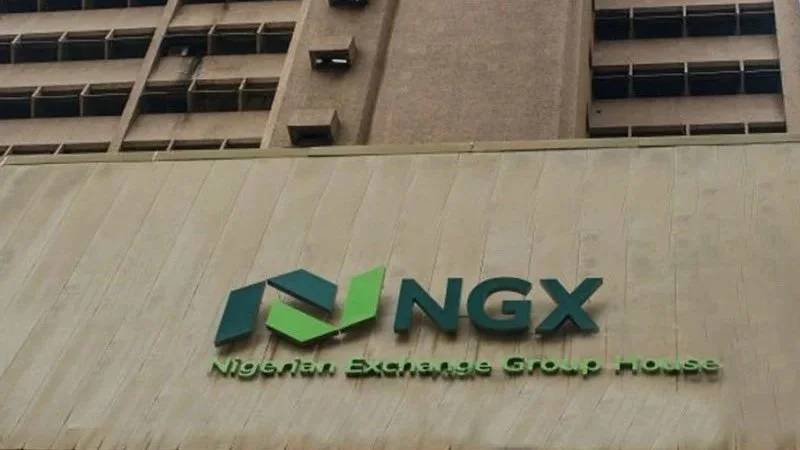
Stock Market Surge Pushes NGX ASI Past Historic 200,000 Threshold
Nigeria’s equities market reached a historic milestone as the Nigerian Exchange Limited All-Share Index (ASI) surpassed the 200,000-point threshold, closing at 201,474.89 points. The rally reflects sustained investor demand, strong market participation, and improving confidence in the country’s capital market.
Market Performance and Key Metrics
The benchmark index gained 1.55%, rising from 198,407.30 points in the previous session to cross the psychological 200,000 level for the first time.
Market capitalisation also expanded significantly, increasing to ₦129.33trn from ₦127.36trn, driven largely by gains in large-cap stocks.
Performance indicators highlight strong momentum:
Month-to-date return: 4.48%
Year-to-date return: 29.47%
Trading activity remained robust, with investors exchanging 948.1 million shares valued at ₦49.15bn across 72,700 deals.
Sectoral Drivers and Market Breadth
The rally was broad-based, with significant activity across multiple sectors. Financial services stocks dominated trading volumes, signalling strong institutional and retail participation.
Top-performing equities included major industrial and consumer-linked firms, while a smaller number of insurance and investment stocks recorded declines.
This pattern indicates a diversified rally rather than a narrow, single-sector surge—an important signal of underlying market strength.
Investor Confidence and Market Reforms
According to Temi Popoola, the milestone reflects growing investor confidence supported by ongoing economic reforms and improved corporate fundamentals.
He noted that increased domestic participation and continued market modernisation have strengthened the role of the capital market in mobilising long-term capital.
Similarly, Jude Chiemeka attributed the record performance to sustained demand and active engagement across key sectors, emphasising efforts to deepen liquidity and enhance price discovery.
Structural Drivers Behind the Rally
Recent market trends suggest several underlying factors supporting the bullish momentum:
Banking sector recapitalisation: Capital-raising activities have injected liquidity into the market.
Strong corporate earnings: Positive financial results and dividend expectations continue to attract investors.
Macroeconomic signals: Relative currency stability and improved outlook for inflation have boosted sentiment.
Sector rotation: Investors are reallocating capital across sectors, sustaining broad-based gains.
These factors have collectively positioned the Nigerian market among the stronger-performing frontier equity markets in 2026.
Implications for Investors and the Economy
The crossing of the 200,000-point mark represents more than a symbolic achievement. It signals:
Enhanced capital formation opportunities for corporates
Increased attractiveness of equities as an asset class
Improved confidence in Nigeria’s financial markets
A stronger stock market also supports pension fund growth, corporate financing, and broader economic expansion through improved access to capital.
Outlook
Market analysts maintain a cautiously bullish outlook, supported by continued institutional participation and favourable earnings trends. However, risks such as interest rate pressures, inflation, and global commodity volatility remain key variables to monitor.
The NGX ASI’s rise above 200,000 points marks a defining moment for Nigeria’s capital market. Sustained investor confidence, structural reforms, and strong corporate performance have driven the rally.
Maintaining this trajectory will depend on macroeconomic stability, policy consistency, and continued efforts to deepen market liquidity and transparency.
