
Bagudu Highlights States’ 48% Share of Public Spending, Calls for Policy Coordination
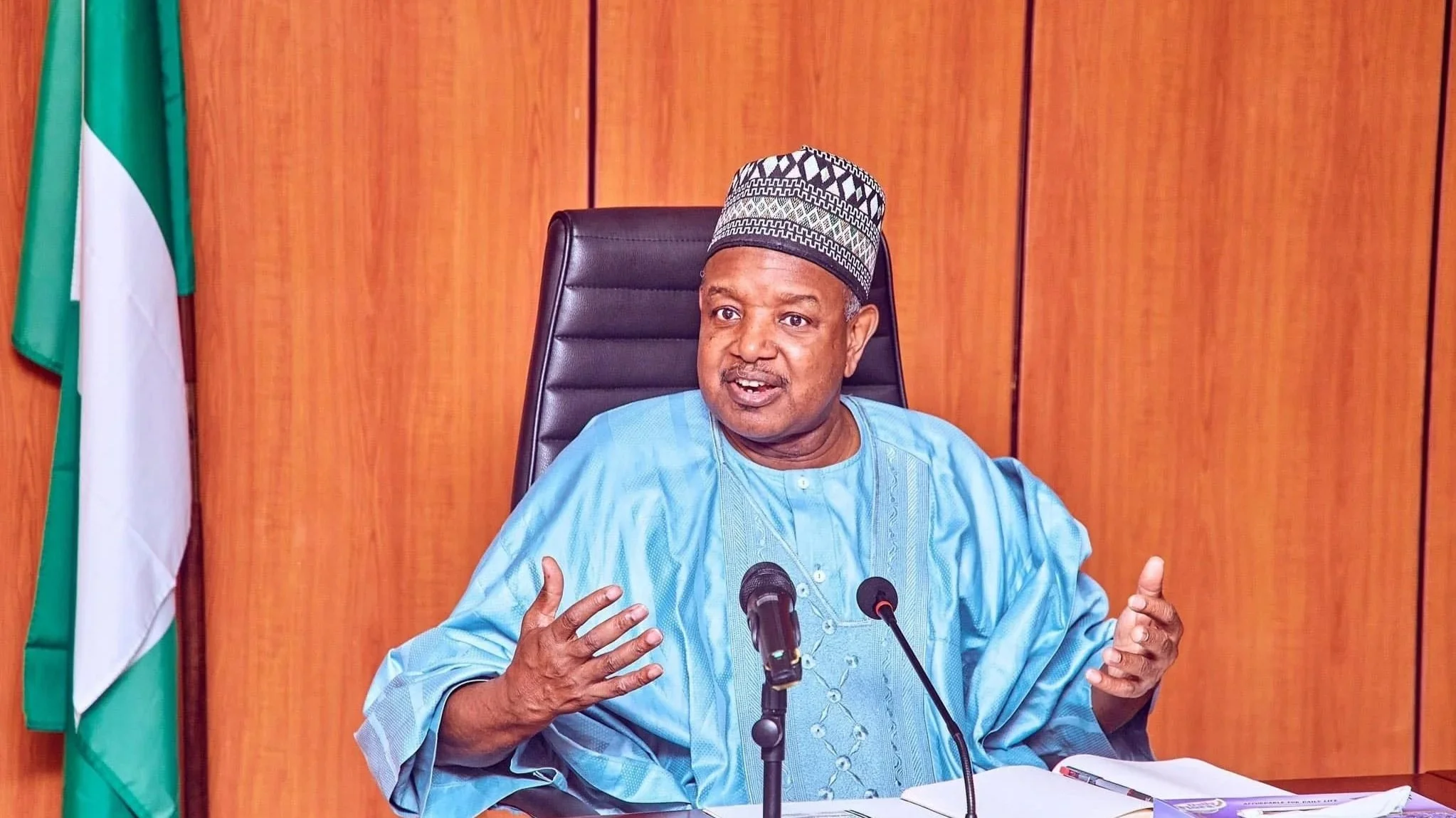
Nigeria’s Fiscal Structure: States Drive 48% of Public Spending
Nigeria’s state governments account for approximately 48% of total public expenditure, according to Abubakar Atiku Bagudu. The Minister of Budget and Economic Planning disclosed this while emphasising the need for stronger coordination across all tiers of government to achieve national economic development targets.
Fiscal Structure Highlights Subnational Influence
Bagudu’s statement underscores the significant role of subnational governments in Nigeria’s fiscal framework. With nearly half of public spending executed at the state level, policy effectiveness increasingly depends on alignment between federal, state, and local authorities.
According to Vanguard News, the minister referenced deliberations by the National Economic Council (NEC), which identified improved intergovernmental coordination as a key priority for accelerating development.
This distribution of spending highlights a decentralised fiscal structure where states play a decisive role in infrastructure delivery, social services, and economic development initiatives.
Policy Coordination as a Growth Imperative
Bagudu stressed that stronger coordination mechanisms are essential to maximise the impact of public expenditure. Fragmented policy implementation across tiers of government has historically limited the efficiency of public investment in Nigeria.
The Federal Ministry of Budget and Economic Planning, he noted, is responsible for harmonising fiscal and economic policies, coordinating development programmes, and advising the presidency on national planning priorities.
Improved coordination is particularly critical as Nigeria pursues ambitious economic targets, including expanding output and improving service delivery across key sectors.
$1 Trillion Economy Target and Development Plan
The minister reaffirmed the Federal Government’s commitment to growing Nigeria’s economy to $1trn by 2030. Achieving this goal will require sustained annual growth of approximately 7%, supported by the forthcoming National Development Plan (2026–2030).
The plan is expected to guide:
Policy reforms across sectors
Public and private investment priorities
Infrastructure development strategies
Bagudu also identified priority areas from NEC discussions, including increased investment in security, financing for transformative infrastructure, and stronger enforcement against illegal activities in the extractive sector.
Role of Private Sector in Economic Expansion
Complementing the minister’s remarks, the Minister of State for Budget and Economic Planning, Doris Uzoka-Anite, emphasised that the private sector will drive the majority of Nigeria’s economic growth.
She stated that approximately 95% of economic expansion is expected to come from private sector activity, with government providing enabling policies and infrastructure.
This reinforces a policy direction centred on public-private collaboration as a catalyst for long-term growth.
Implications for Investors and Policymakers
The revelation that states account for nearly half of public spending carries several implications:
Investment Strategy: Subnational governments are critical partners for infrastructure and development projects.
Policy Risk: Divergent policies across states can affect project execution and returns.
Governance: Stronger fiscal discipline and transparency at the state level are essential for efficient resource utilisation.
For investors, understanding state-level fiscal dynamics is increasingly important when evaluating opportunities in Nigeria’s infrastructure, agriculture, and industrial sectors.
Nigeria’s fiscal landscape is heavily shaped by state governments, which control 48% of public spending. This reality places coordination at the centre of economic policy execution.
As the country pursues a $1trn economy by 2030, aligning federal and subnational priorities will determine the effectiveness of public investment and the pace of economic transformation.
