
Over 500 Lawyers Join Protest at Finance Ministry Over Unpaid ₦4 Trillion Debt
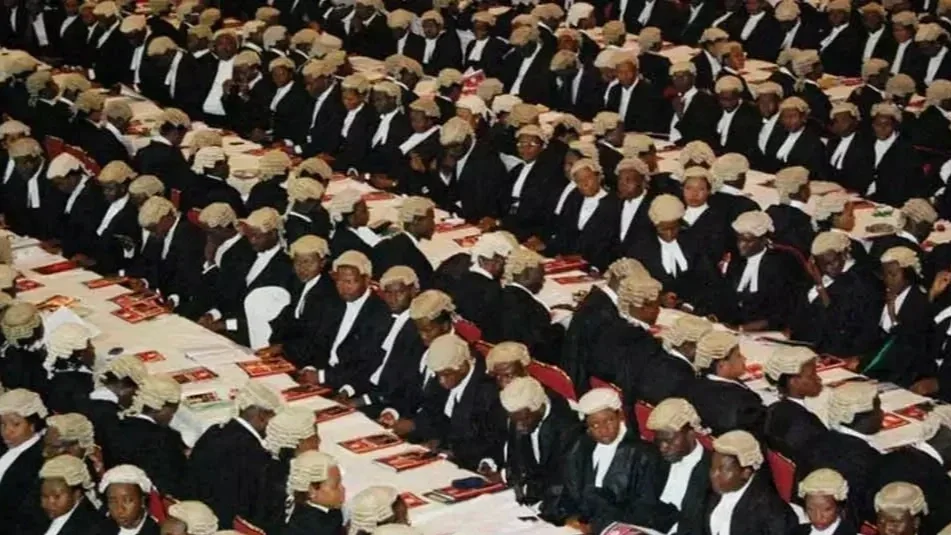
Nigerian Lawyers
Tensions escalated at the Federal Ministry of Finance on Thursday as over 500 legal practitioners, acting under the aegis of Concerned Lawyers for Probity and Justice, joined indigenous contractors in a mass protest. The demonstrators are demanding the immediate disbursement of an estimated ₦4 trillion owed for completed capital projects across the federation.
Demands for Accountability and Resignation
The protest, which effectively barricaded the main entrance of the ministry by midday, saw a coalition of groups including the All Indigenous Contractors Association of Nigeria (AICAN) and the "Enough is Enough" movement. Beyond the demand for payment, the protesters called for the resignation of the Minister of State for Finance, Dr. Doris Uzoka-Anite, citing alleged mismanagement of the debt crisis and favouritism in the ministry’s dealing with contractors.
Security operatives, including armed police and several patrol vehicles, were deployed to the scene to maintain order and prevent the demonstration from escalating into a security breach.
The Human Cost of Fiscal Delays
In a statement signed by Precious Okoh and read during the demonstration, the contractors highlighted the devastating socio-economic impact of the government's failure to settle verified debts. Many indigenous firms reportedly funded these projects through high-interest bank loans, leading to catastrophic financial consequences as payments stalled.
"Contractors who borrowed from banks... now face relentless loan defaults, with banks seizing homes, vehicles, and other assets," Okoh stated. The coalition noted that the ripple effects extend beyond company owners to thousands of masons, engineers, and labourers whose livelihoods depend on the liquidity of these firms.
Key grievances highlighted during the protest include:
Mismanagement of Disbursements: Allegations that partial payments made in December 2025 were distributed unfairly.
Economic Stagnation: The claim that withholding ₦4 trillion from the local economy is "starving the nation’s builders" and halting economic growth.
Asset Forfeiture: Reports of contractors facing mental breakdowns and homelessness due to bank foreclosures.
Institutional Neutrality and Economic Analysis
From a fiscal policy perspective, the accumulation of ₦4 trillion in unpaid contractor debt represents a significant drag on Nigeria’s Gross Domestic Product (GDP). Indigenous contractors are a vital component of the construction and infrastructure sector, which traditionally drives employment.
While the Ministry of Finance has previously cited the need for thorough verification of claims to prevent ghost contracts and over-invoicing, the protesters argue that the verification of these specific projects has long been completed. The deadlock highlights a critical friction point between the government’s debt management strategies and the operational survival of the local private sector.
The mass protest at the Finance Ministry underscores a growing impatience within the professional and business community regarding the government’s domestic debt obligations. As legal practitioners throw their weight behind the contractors, the pressure on the Ministry of Finance to provide a transparent payment roadmap has intensified. The outcome of this standoff will likely serve as a barometer for investor confidence and the government's commitment to supporting indigenous businesses within the national economic framework.
