
Reshaping Urban Renewal: What Lagos Can Learn from Africa’s Eviction Models
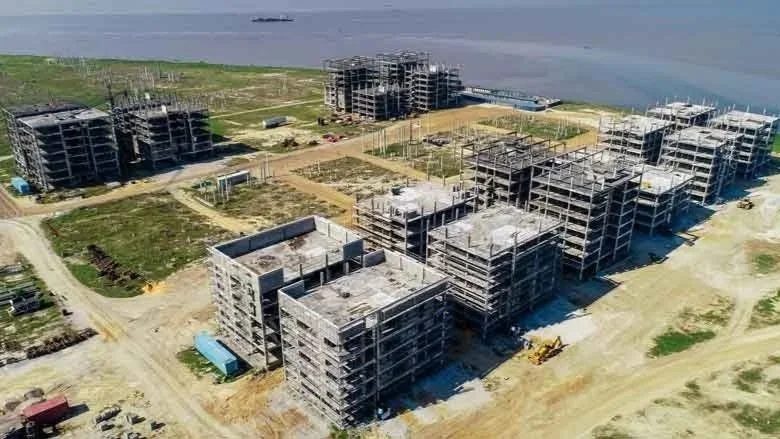
Lagos, Nigeria’s economic nerve centre, is currently undergoing a rapid urban transformation. As the state government intensifies its efforts to modernise infrastructure and clear "slums" to make way for high-value developments, the issue of forced evictions has moved to the forefront of public discourse. While urban renewal is essential for a megacity’s growth, the methodology of displacement remains a point of contention between policymakers and housing rights advocates.
To achieve a balance between developmental goals and social stability, Lagos stands to benefit from studying eviction and relocation models deployed in other African jurisdictions. By integrating human-centric approaches, the state can mitigate the socio-economic shocks typically associated with mass displacement.
The Current Landscape of Displacement in Lagos
Urban renewal in Lagos has historically been characterised by sudden enforcement actions. According to various human rights reports, thousands of residents in informal settlements have faced displacement with minimal notice and inadequate compensation. These actions often disrupt local economies, exacerbate the housing deficit, and push vulnerable populations into further precarity.
While the Lagos State Government maintains that these clearings are necessary for flood control and public safety, the lack of a structured relocation framework remains a significant policy gap.
Comparative Insights: Lessons from the Continent
Several African nations have navigated the complexities of urban expansion by adopting more inclusive strategies:
South Africa’s Judicial Oversight: South African law provides robust protections against arbitrary evictions. Under the Prevention of Illegal Eviction (PIE) Act, courts must consider whether an eviction is "just and equitable," often requiring the state to provide alternative accommodation if the displacement would lead to homelessness. Lagos could benefit from institutionalising similar judicial or administrative safeguards.
Ethiopia’s Integrated Relocation: In Addis Ababa, large-scale infrastructure projects have often been paired with the construction of condominium housing (the 20/80 and 40/60 schemes). Displaced residents are frequently given priority in these new developments, ensuring that urban renewal does not result in permanent dispossession.
Morocco’s "Cities Without Slums" (Villes Sans Bidonvilles): This national programme focused on providing residents of informal settlements with land parcels or social housing units rather than mere displacement. The success of this model relied on strong public-private partnerships and long-term financing elements that are currently underdeveloped in the Nigerian housing sector.
Key Pillars for a New Lagos Model
To evolve its urban renewal strategy, the following pillars are essential for the Lagos State Government and relevant stakeholders:
Mandatory Notice and Consultation: Effective urbanism requires engagement. Before any demolition, a transparent consultation process with community leaders is necessary to map out the socio-economic impact.
The "Relocation First" Principle: Adopting a policy where displacement only occurs after viable alternative housing is secured would significantly reduce the social cost of urban renewal.
Legal Framework Reform: There is a pressing need for a comprehensive "Displacement and Resettlement Act" that standardises compensation rates and provides clear legal recourse for affected tenants and landlords.
In Situ Upgrading: Not all informal settlements require demolition. In many cases, providing basic infrastructure—such as drainage, paved roads, and electricity can transform a "slum" into a functional neighborhood without displacing its inhabitants.
As Lagos strives to compete with global megacities, its approach to urban renewal must reflect a sophisticated understanding of both infrastructure and human rights. By learning from the successes and failures of its African peers, Lagos can move away from the "eviction-first" mindset toward a model of sustainable development that leaves no resident behind. For policymakers and investors alike, a stable, inclusive housing environment is the bedrock of long-term economic prosperity.
