
Lagos State Seals Ladipo Market Over Persistent Environmental Breaches
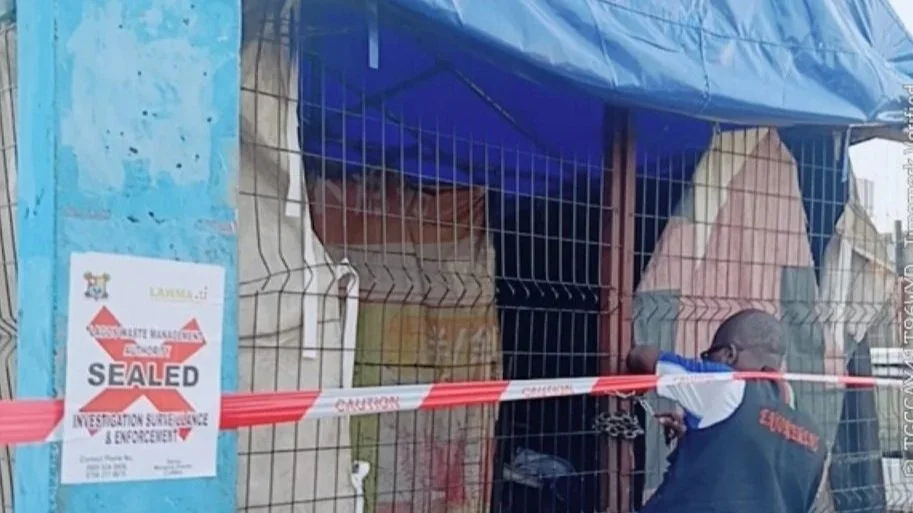
The Lagos State Government has ordered the immediate closure of the Ladipo Spare Parts Market, located along the Apapa Oshodi Expressway, citing persistent environmental breaches and non-compliance with state sanitation regulations. The enforcement action, carried out on Sunday, February 8, 2026, follows repeated warnings regarding indiscriminate waste disposal and illegal street trading activities within the market vicinity.
The Commissioner for the Environment and Water Resources, Tokunbo Wahab, confirmed the development via an official statement on X (formerly Twitter). According to the Commissioner, the closure was necessitated by the market’s failure to adhere to established environmental guidelines, specifically concerning the dumping of refuse on road medians and the obstruction of major highways through illegal trading.
Persistent Non-Compliance and Public Health Risks
The Ladipo Market, recognized as one of Africa’s largest automobile spare parts hubs, has a history of environmental friction with state authorities. In 2023, the market faced a similar temporary closure, which was rescinded only after market leaders committed to maintaining hygiene standards and proper waste management protocols.
However, recent inspections conducted by the Lagos State Environmental Task Force revealed a significant relapse. Officials reported that the accumulation of refuse in unapproved areas has begun to compromise the local drainage systems, increasing the risk of flooding and the spread of communicable diseases. Furthermore, the spillover of trading activities onto the Apapa–Oshodi Expressway has been identified as a primary driver of traffic congestion and a safety hazard for commuters.
Policy Context and Urban Management
This enforcement action aligns with Governor Babajide Sanwo-Olu’s "THEMES Plus" agenda, which prioritizes health, environment, and urban renewal. The Ministry of Environment and Water Resources has maintained a zero-tolerance policy toward activities that degrade the Lagos metropolis, emphasizing that economic importance does not grant immunity from sanitation laws.
"The state government maintains a zero-tolerance stance on activities that degrade the environment," Wahab stated. He emphasized that markets must operate within approved frameworks to ensure the safety and well-being of all residents.
Conditions for Reopening
The Ministry has indicated that the closure is indefinite until specific remedial measures are implemented. To facilitate a reopening, the market leadership must:
Ensure the complete removal of all illegal structures and roadside trading stalls.
Establish a verifiable and sustainable waste collection system using approved PSP (Private Sector Participation) operators.
Clear all waste currently occupying road medians and drainage channels surrounding the market.
While some traders have expressed concerns regarding the immediate economic impact of the shutdown, community residents and frequent commuters of the Oshodi corridor have expressed support for the move, citing improved traffic flow and environmental relief.
The sealing of Ladipo Market serves as a stern warning to other commercial hubs across Lagos State. As the government intensifies its urban renewal efforts, the focus remains on balancing commercial activity with environmental sustainability. For investors and stakeholders in the Lagos real estate and logistics sectors, this move underscores the state's commitment to enforcing land-use regulations and maintaining infrastructure integrity.
