
Lagos State House of Assembly Summons Makoko Leaders Over Forced Evictions
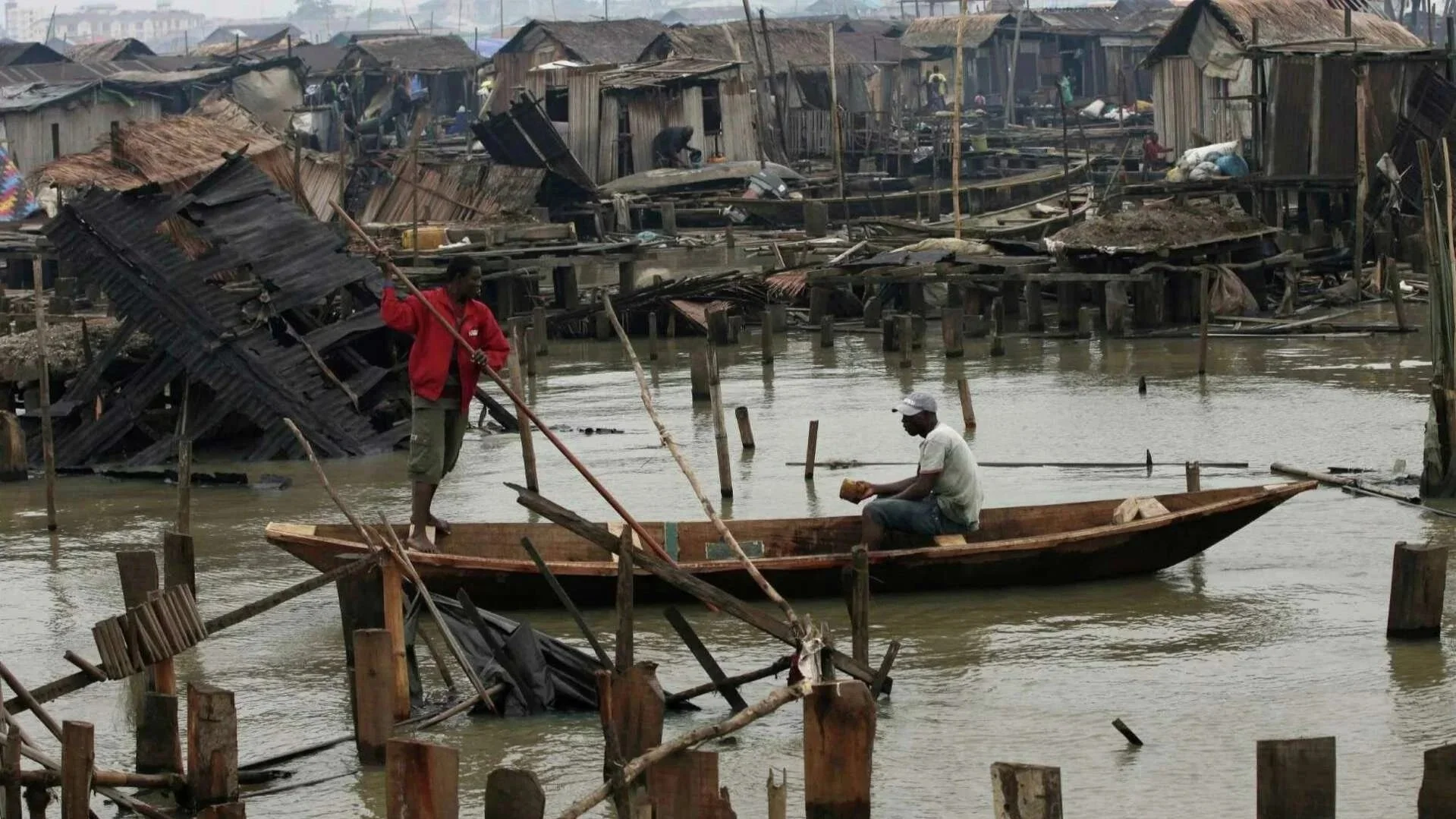
The Lagos State House of Assembly has formally invited community leaders from Makoko and adjacent waterfront settlements to a high level meeting scheduled for Tuesday, 03 February 2026. The intervention follows a series of petitions and rising social unrest triggered by recent demolition exercises that resulted in the destruction of residential homes, educational facilities, and healthcare clinics. The invitation, signed by the Clerk of the House, Olalekan Onafeko, mandates that community representatives present relevant documentation to facilitate a legislative review of the ongoing crisis.
Discrepancies in Demolition Scope
At the core of the dispute is a significant discrepancy between the government’s stated intent and the actual execution of the clearances. Community leaders, including Chief Francis Samson, allege that while the Lagos State Government originally indicated a 30 metre setback from high tension power lines, the demolition crews expanded their operations up to 520 metres inland. This unplanned extension has resulted in the displacement of thousands of residents, many of whom have been forced to seek temporary shelter on boats or in overcrowded neighboring quarters.
The humanitarian impact has been severe. Reports indicate that the operations led to casualties, including a child whose death was attributed to tear gas exposure and an adult who succumbed to health complications following the loss of their property. Human rights organisations have condemned the exercise, noting a lack of adequate notice, compensation, or viable resettlement plans for the displaced populations.
Livelihoods and Urban Policy Concerns
The Makoko settlement, largely inhabited by fishing communities, faces an existential threat as the demolitions have disrupted local economic cycles and destroyed essential infrastructure. Community spokesperson Oluwo Felix Fasinu emphasized that residents have made repeated appeals for clearly defined boundaries to prevent arbitrary displacement, noting that many families have inhabited the waterfront for generations.
The meeting at the Assembly Complex in Alausa, Ikeja, will be overseen by the Committee on Rules and Business. Legislators aim to evaluate whether the executive branch followed lawful procedures and to explore potential sustainable solutions for urban renewal that do not infringe upon the fundamental rights of the citizenry.
Foward Looking Perspective
As Lagos continues its rapid urban expansion, the Makoko crisis highlights the growing tension between infrastructure development and social equity. The outcome of the upcoming legislative meeting will likely serve as a benchmark for how the state handles future waterfront redevelopment and the sensitive issue of informal settlement management. Policymakers and investors are closely watching the proceedings, as the resolution will impact Lagos State’s broader urban renewal strategy and its commitment to inclusive housing policies.
