
Lagos State Pledges $2M for Makoko Water Cities Project to Drive Sustainable Urban Renewal
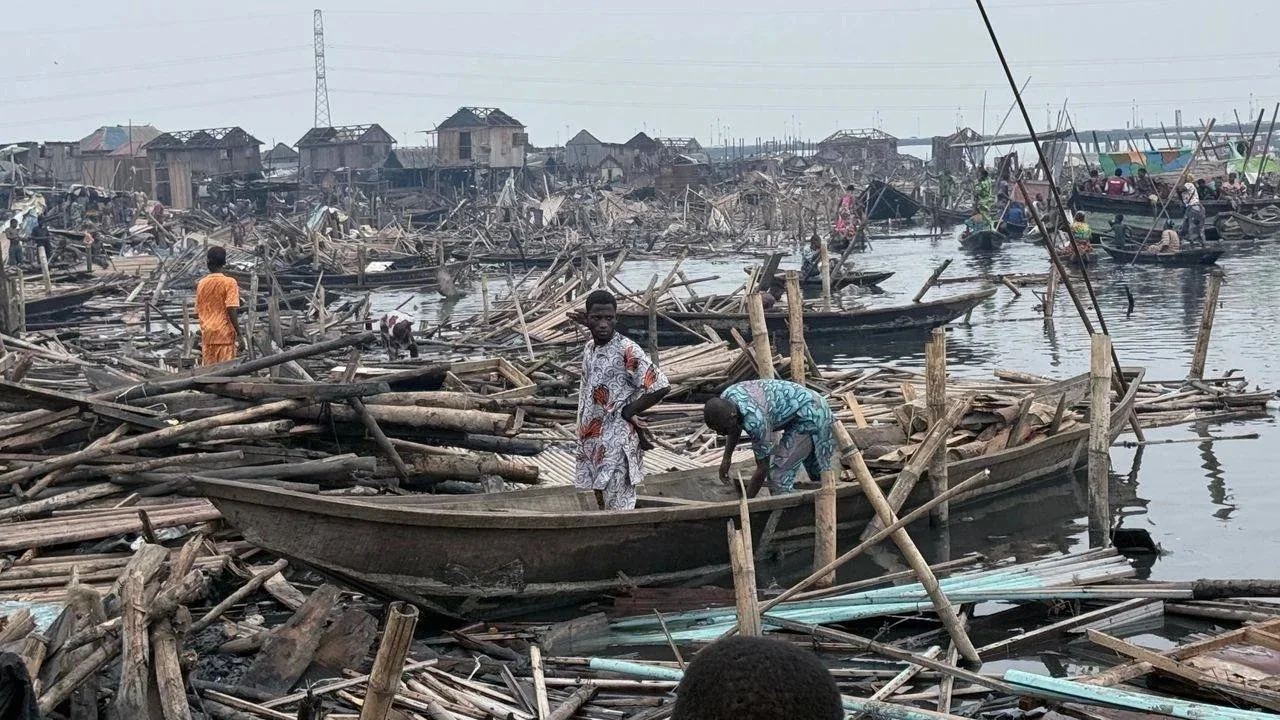
The Lagos State Government has committed $2 million to the Makoko Water Cities Project.
The Lagos State Government has announced a $2 million financial commitment toward the Makoko Water Cities Project, a strategic initiative designed to provide a sustainable and environmentally responsible blueprint for the regeneration of the Makoko waterfront. The announcement, made on Monday by the Commissioner for Information and Strategy, Gbenga Omotoso, and the Special Adviser to the Governor on E-GIS and Urban Development, Babatunde Olajide, signals a shift toward a long-term developmental framework for one of the state's most high-profile informal settlements.
The commitment arrives during a period of intense public discourse regarding recent demolitions in Makoko and other waterfront communities. According to the state government, these actions are not punitive but are essential components of a broader urban renewal programme necessitated by safety concerns, environmental risks, and the pursuit of global sustainable development goals.
Sustainable Regeneration and Environmental Safety
Special Adviser Babatunde Olajide clarified that the decision to pursue the Water Cities Project followed a rigorous assessment of previous development plans. Earlier proposals for shoreline extensions were abandoned after expert evaluations determined they posed significant environmental threats to the fragile ecosystem.
The $2 million commitment is directed at a "water city" model, which the government describes as the most environmentally friendly and sustainable option for the area’s redevelopment. This model aims to align with international best practices for waterfront housing while ensuring the community is integrated into the state's modern urban fabric. Olajide emphasized that the project is being executed in consultation with Makoko community leaders to foster inclusiveness and long-term viability.
Addressing Safety and Relocation Concerns
Addressing the controversial demolitions of structures located beneath high tension power lines, the government maintained that these actions were strictly based on safety protocols. "The focus is on preventing loss of lives," Olajide stated, noting that living under high-voltage infrastructure presents an unacceptable risk to residents.
The state also highlighted its track record in urban relocation, citing the transition of Okobaba sawmill operators to Timberville as a benchmark for success. In that instance, the government provided approximately 300 housing units and industrial equipment valued at billions of naira to facilitate a safer and more organised industrial hub.
Broader Urban Renewal Context
The Makoko initiative is part of a wider statewide regeneration strategy. Currently, 21 markets including Pelewura, Jankara, and Bombata are undergoing redevelopment. Additionally, the government reported:
₦1 Billion committed to housing regeneration in Adeniji-Adele, including rental support for displaced residents.
₦1 Billion paid in compensation to property owners in the Dosunmu area to facilitate collaborative redevelopment.
Market Modernization: Construction of thousands of stalls at Alaba Arago intended for original occupants.
Stakeholder Perspectives and Social Impact
Despite the government’s developmental assurances, advocacy groups have raised concerns regarding the immediate social impact on low-income residents. Reports from Corporate Accountability and Public Participation Africa (CAPPA) suggest that recent demolitions in Makoko and Oworonshoki have affected over 10,000 residents and 3,000 dwellings.
While the state maintains that verified homeowners are receiving palliatives and relocation stipends ranging from ₦300,000 to ₦5 million some residents and civil society organisations have contested these amounts as insufficient for the current economic climate.
Forward Looking Perspective
The $2 million commitment to the Makoko Water Cities Project represents a critical test for the Lagos State Government’s ability to balance rapid urbanisation with social equity. As the state seeks to unlock dormant land assets and improve urban safety, the success of the Makoko regeneration will likely serve as a definitive case study for future waterfront developments across the sub region. The administration remains firm that these reforms are necessary to prevent future environmental disasters and elevate the living standards of all Lagosians.
