
Ikeja Electric and EKEDC Under Fire Over Prolonged Power Blackouts in Lagos
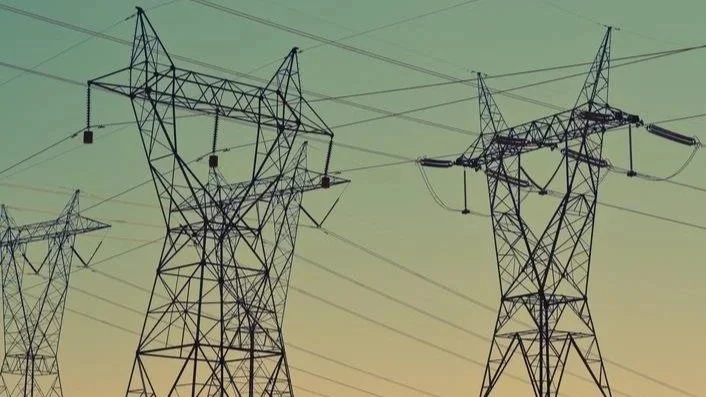
Power Distribution Lines
Residents across several communities in Lagos State have raised an alarm over a total power blackout that has persisted for 10 months, severely disrupting socio-economic activities and personal livelihoods. Reports indicate that the outage, which began in early 2025, has left hundreds of households and small-scale enterprises in darkness, with no definitive timeline for restoration from the relevant electricity distribution companies (DisCos).
Infrastructure Failure and Systemic Challenges
The prolonged blackout is largely attributed to technical failures involving critical infrastructure, specifically faulty transformers and damaged injection substations. In many cases, residents of affected areas in the Alimosho and Ikorodu axis have reported that distribution transformers serving their streets were removed for repairs by DisCo technicians but were never returned.
According to data from industry analysts, the Nigerian electricity value chain continues to struggle with a significant "maintenance gap." Distribution companies, including Ikeja Electric (IE) and Eko Electricity Distribution Company (EKEDC), have frequently cited a lack of available spare parts and funding constraints as primary hurdles in the timely replacement of high-capacity transformers. Furthermore, the Transmission Company of Nigeria (TCN) has occasionally scheduled long-term maintenance on 330kV and 132kV lines, which, while necessary for grid stability, often extends outages in downstream residential nodes.
Economic Impact on Small and Medium Enterprises (SMEs)
The 10-month hiatus in power supply has imposed a severe financial burden on small business owners. Artisans, frozen food vendors, and barbers in the affected districts report a surge in operational costs as they rely exclusively on expensive petrol or diesel-powered generators.
Regulatory Response and Consumer Grievances
Under the Nigerian Electricity Regulatory Commission (NERC) guidelines, DisCos are required to adhere to specific Service Level Agreements (SLAs) regarding fault clearance and infrastructure replacement. However, residents allege that these standards are rarely met. In several petitions sent to NERC, community leaders have decried "estimated billing" practices, where consumers are still served monthly bills despite the absence of power supply.
The DisCos have historically countered these claims by highlighting high levels of energy theft and historical debt within certain communities, which they argue hampers their ability to reinvest in infrastructure upgrades.
A Call for Lasting Solutions
The persistent 10-month blackout in parts of Lagos highlights the fragility of the urban power network. For investors in the real estate and commercial sectors, such utility failures represent a significant operational risk that necessitates investment in off-grid or renewable energy backups. A forward-looking resolution will require a tripartite synergy between the TCN, the DisCos, and the Federal Government to modernise the aging distribution network and ensure that essential services are not indefinitely suspended due to technical or financial friction.
