
Lagos Govt Orders Property Owners to Settle 2025 Land Use Charge Debts
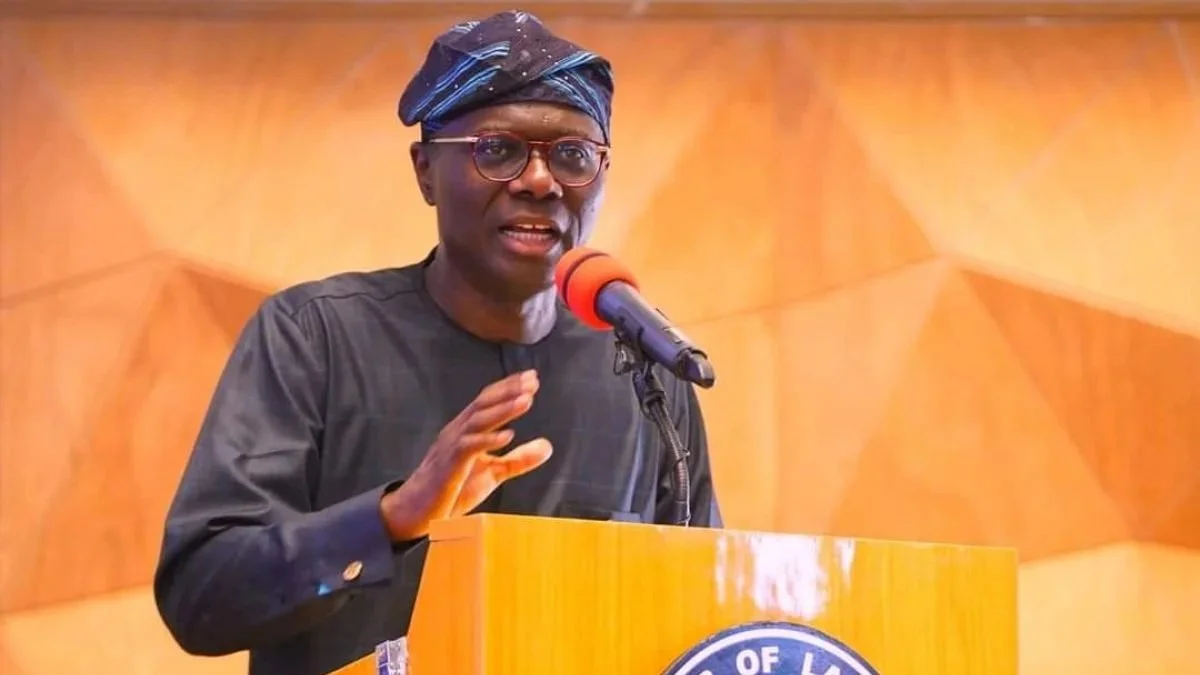
Lagos State Urges Property Owners to Clear Outstanding 2025 Land Use Charges
The Lagos State Government has directed property owners across the state to settle outstanding 2025 Land Use Charge (LUC) bills, warning that enforcement actions will soon begin against defaulters.
The directive was issued in a statement announcing the release of the 2026 Land Use Charge bills, with authorities emphasising that property owners who failed to meet their obligations in 2025 must clear their debts promptly to avoid enforcement measures.
Officials stressed that the Land Use Charge remains a statutory obligation for property owners and a critical revenue source used to fund infrastructure development and public services across the state.
Land Use Charge as a Key Revenue Source
According to the Lagos State Ministry of Finance, payments collected through the Land Use Charge support major infrastructure and social services projects.
Government officials noted that funds generated from the charge have helped finance projects such as road construction and rehabilitation, healthcare infrastructure upgrades, education development, and security initiatives across Lagos.
Authorities also highlighted that infrastructure investments supported by public revenues have contributed to large-scale urban projects, including improvements to transportation systems and urban mobility across the state.
The government reiterated that consistent compliance by property owners is essential to sustain these development efforts and maintain Lagos’ position as Nigeria’s leading commercial hub.
Enforcement Measures to Target Defaulters
The state government warned that enforcement actions will commence against property owners who have failed to pay their 2025 Land Use Charge liabilities.
Officials encouraged property owners to regularise their accounts immediately and avoid penalties or enforcement procedures once the grace period expires.
Authorities also urged property owners to take advantage of incentives provided under the Land Use Charge framework, including a 15% discount for early payment where applicable.
Payment Channels for Property Owners
The Lagos State Government stated that several payment options are available to facilitate compliance.
Property owners can settle their Land Use Charge obligations through:
Internet banking platforms
Designated commercial bank branches
USSD payment channels
Point-of-sale terminals at Land Use Charge offices
The Lagos Revenue Portal and digital government platforms
These payment channels were introduced to simplify the process and improve tax compliance among property owners across the state.
Responsibility for Payment
Under the Lagos Land Use Charge framework, the responsibility for payment rests with property owners and landlords, not tenants.
The policy was clarified by the state government following disputes between landlords and tenants regarding responsibility for the charge. Authorities confirmed that property owners remain legally responsible for settling the annual assessment.
Implications for Lagos Real Estate and Urban Development
The enforcement directive highlights the Lagos government’s ongoing efforts to strengthen internally generated revenue and sustain urban infrastructure investment.
With Lagos experiencing rapid population growth and urban expansion, consistent revenue collection remains essential to finance transport systems, housing infrastructure, public services, and environmental improvements.
For property owners and real estate investors, the enforcement push underscores the importance of compliance with property tax regulations as part of responsible asset ownership.
Outlook
The Lagos State Government’s directive signals a stronger enforcement approach toward property tax compliance as the state seeks to sustain infrastructure development and urban transformation.
As enforcement measures begin, property owners are expected to settle outstanding Land Use Charge liabilities to avoid penalties while contributing to the state’s broader economic and urban development objectives.
