
FEC Approves Demolition and Reconstruction of Carter Bridge in Lagos
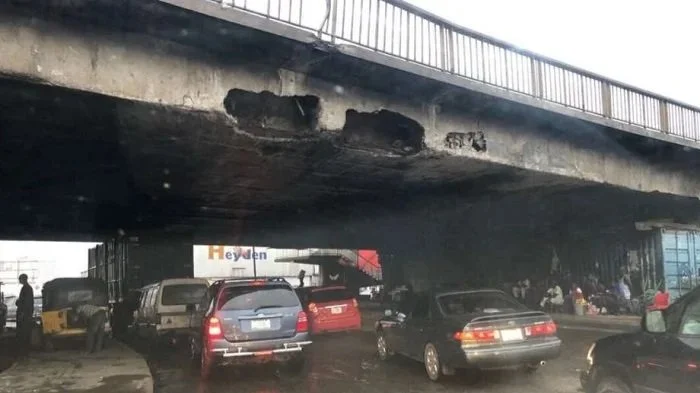
Carter Bridge Set for Complete Reconstruction After FEC Approval
Nigeria’s Federal Executive Council (FEC) has approved the demolition and reconstruction of Carter Bridge in Lagos, following technical assessments that concluded the ageing structure can no longer be rehabilitated.
The decision was announced by David Umahi, Nigeria’s Minister of Works, after a council meeting chaired by Bola Ahmed Tinubu at the Presidential Villa in Abuja.
According to the minister, the council also approved ₦5.6 billion for advanced engineering consultants to undertake the detailed design and cost evaluation for the proposed bridge replacement.
Technical Assessments Prompt Demolition Decision
Government officials said stakeholder consultations and structural reviews determined that the existing Carter Bridge has deteriorated to a point where rehabilitation is no longer feasible.
Umahi explained that engineering evaluations recommended a complete replacement rather than repairs.
“The stakeholders’ engagement and technical reviews showed that Carter Bridge can no longer be rehabilitated,” he said, adding that the only viable option is demolition and construction of a new structure.
The Federal Government has therefore engaged engineering consultants to conduct comprehensive design work, determine project specifications, and prepare cost estimates before the procurement process begins.
Strategic Importance of Carter Bridge
Carter Bridge is one of the major transport corridors linking Lagos Island with the mainland, playing a critical role in the movement of commuters and commercial traffic within Nigeria’s largest economic centre.
The bridge forms part of Lagos’ network of key mainland-island connections that support daily economic activity, including trade, public transportation, and access to commercial districts.
Because of its strategic location and high traffic volume, any reconstruction project is expected to significantly affect traffic patterns and logistics across the Lagos metropolitan area.
Part of Broader National Infrastructure Programme
The Carter Bridge project forms part of a wider infrastructure initiative approved during the same FEC meeting.
The council authorised several major road and transport projects across the country aimed at strengthening connectivity and improving the durability of Nigeria’s transport network.
Among the projects approved are the reconstruction and upgrade of key highways, including corridors connecting major economic zones and regional trade routes.
Officials noted that the government intends to prioritise reinforced concrete road and bridge construction to enhance durability and reduce long-term maintenance costs.
Implications for Urban Mobility in Lagos
The planned reconstruction underscores the increasing pressure on Lagos’ transport infrastructure as the city continues to expand.
With millions of commuters travelling daily between the mainland and Lagos Island, infrastructure upgrades are essential to maintain mobility and support economic productivity.
Urban planners note that replacing ageing bridges and improving road networks will play a critical role in addressing congestion, enhancing safety, and supporting future urban development.
Outlook
The approval of the Carter Bridge demolition and reconstruction marks a significant step in Nigeria’s effort to modernise critical transport infrastructure.
Once completed, the new bridge is expected to improve traffic capacity, enhance structural safety, and support the long-term mobility needs of Lagos, one of Africa’s fastest-growing megacities.
The timeline for construction will depend on the completion of design studies, cost assessments, and the subsequent procurement process for contractors.
