
Lagos CSO Coalition Backs Structured Development Plan for Makoko Waterfront
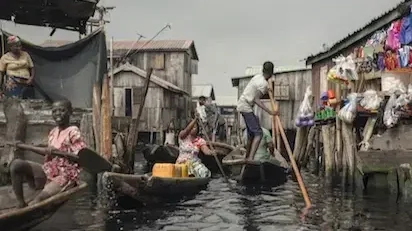
CSOs Press Lagos Government to Prioritise Makoko Redevelopment for Public Safety
A coalition of more than 80 civil society organisations (CSOs) in Lagos has urged the Lagos State Government to expedite development interventions in the Makoko waterfront community to safeguard residents’ lives and property. The appeal comes amid ongoing demolition actions and longstanding safety concerns related to unplanned structures under high-tension power lines and other hazardous conditions.
The coalition, organised under the Coalition for Good Governance (CGG), expressed these views in a formal statement urging Governor Babajide Sanwo-Olu not to reverse the state’s urban development programme for Makoko and to ensure the immediate evacuation of residents living in high-risk areas.
Context: Safety and Development Imperatives
Makoko, a densely populated waterfront settlement along the Lagos Lagoon, has long drawn attention for its precarious living conditions. The community comprises informal housing built on stilts or unregulated land, often under high-tension power cables and in flood-prone areas. Experts note that the informal settlement’s location and infrastructure deficits pose significant environmental and safety risks for inhabitants.
The CSO coalition emphasised that the state’s engagement with community leaders initially led to an agreement on corrective measures focused on relocating high-risk structures. However, it contends that compliance has faltered, prompting renewed calls for decisive action to avert what it described as an “avoidable disaster.”
CSO Demands and Policy Recommendations
In their statement, the CSOs urged the government to:
Implement the agreed urban development programme for the Makoko community without delay.
Evacuate residents living under high-tension power lines to mitigate the risk of catastrophic incidents.
Ensure sincerity and transparency among all stakeholders involved in the redevelopment process.
The group underscored the hazards posed by ongoing occupation of unsafe structures, noting that proactive development and relocation efforts would be preferable to responding to loss of life after a disaster.
Urban Policy and Community Dynamics
Makoko’s informal status and lack of formal infrastructure reflect broader challenges in Lagos’ urban planning and housing policy. Informal settlements like Makoko have persisted due to rapid urbanisation, housing shortages, and governance gaps that complicate regulatory implementation. Analysts argue that structured redevelopment frameworks, community engagement, and inclusive planning are critical to resolving such situations sustainably.
While state authorities have described regeneration projects across multiple settlements including Makoko as part of broader urban renewal objectives, some civil society voices have criticised the pace and humanitarian impacts of enforcement measures.
Government Response and Next Steps
The Lagos State Government previously defended its regeneration strategy, stating that safety concerns and regulatory compliance drive interventions in waterfront communities. Officials emphasise that the goal is to protect lives and property while implementing urban renewal aligned with international best practices.
The current CSO appeal adds pressure for accelerated development planning, including possible compensation mechanisms, humane relocation strategies, and coordinated action between state agencies and community representatives.
The call by Lagos civil society organisations for urgent development of the Makoko community highlights the tension between public safety imperatives and the socio-economic realities of informal settlements. As state authorities and civic groups seek to reconcile competing priorities, the outcome will have implications for Lagos’ urban governance, housing policy, and broader development trajectory. Accelerated, inclusive planning and transparent stakeholder engagement remain central to protecting vulnerable residents and achieving sustainable community renewal.
