
Calabar Drivers Protest Multiple Taxation, Block Key Roads
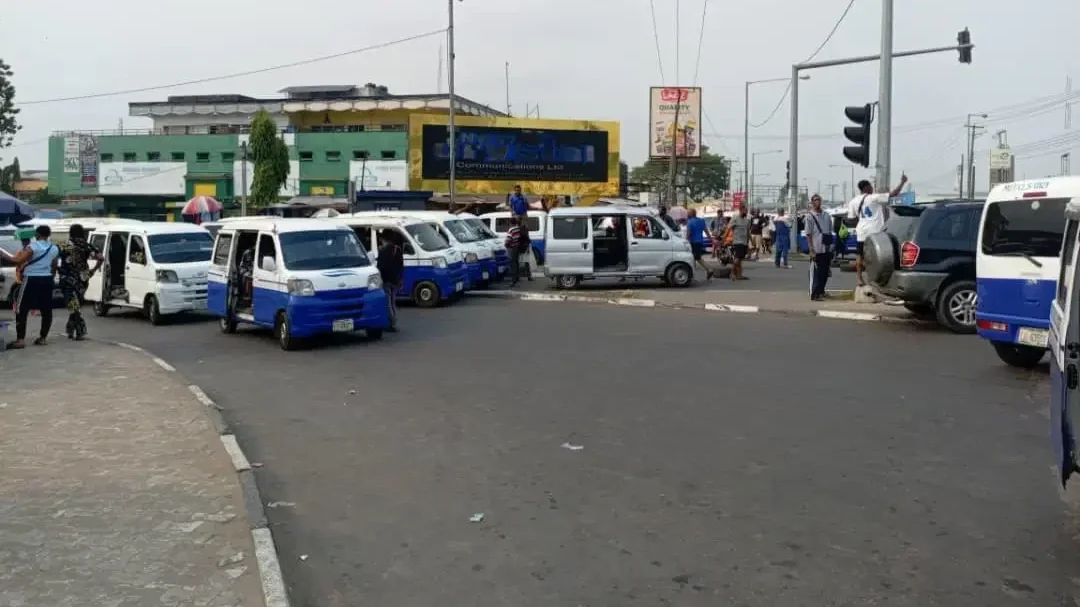
Commercial Drivers in Calabar Intensify Protest over Extortion and Harassment
Commercial drivers in Calabar, the capital of Cross River State, staged widespread protests this week, blocking major thoroughfares in the city to demand an end to what they describe as multiple taxation, harassment and extortion by government-sanctioned and unofficial enforcement agents.
The demonstrations brought significant traffic disruption across central segments of the city, particularly near the University of Calabar, as drivers barricaded roads to press their demands and call for urgent government intervention.
Drivers Cite Overlapping Levies and Enforcement Harassment
Participants in the protest highlighted that, in addition to a daily ticket fee of ₦700, they are subject to repeated stops, fines, and alleged extortion by various enforcement and regulatory bodies. According to drivers interviewed on the streets of Calabar, payment of the daily ticket does not exempt them from further stops, fines or demands for additional levies, even for minor parking infractions.
One driver noted that officers from multiple agencies including road safety enforcement teams, municipal traffic regulators and police detachments frequently issue fines ranging from ₦60,000 to ₦100,000 for alleged violations, even after proof of daily ticket payment is presented. Drivers said this creates a cycle of uncertainty and financial strain that undermines their ability to operate profitably.
Commercial transport operators also criticised the inconsistent application of enforcement hours, asserting that officials sometimes extend duties well beyond stipulated timeframes. Drivers argued that such practices contribute to inefficiency in the sector and erode public trust in regulatory institutions.
Government Responds with Temporary Suspension of Disputed Levies
In response to the unfolding unrest, the Special Adviser to the Governor on General Duties, Ekpenyong Akiba, acknowledged the concerns raised by the transport operators. Akiba confirmed that several of the enforcement groups identified by the drivers are not formally recognised by the state government. He announced the temporary suspension of all taxation and enforcement activities tied to the complaints, pending structured discussions with relevant agencies.
Akiba also indicated that representatives drawn from the protesting drivers five from each major protest point would participate in direct dialogue with government officials to seek a sustainable resolution. “His Excellency is committed to ensuring that Cross River people are not exploited,” he said.
Legislative Voice and Broader Economic Implications
Also commenting on the situation, Mr Stanley Nsemo, Member representing Calabar Municipality in the State House of Assembly, criticised the practice of overlapping levies and pledged to escalate the matter where necessary. He framed the commercial drivers as essential contributors to the local economy whose financial burdens ultimately affect transport fares and, by extension, ordinary commuters.
Analysts note that unresolved disputes over taxation and enforcement can have spill-over effects on price stability, labour productivity and public confidence. In urban centres like Calabar, efficient and predictable regulatory frameworks in the transport sector are widely regarded as critical to economic activity and mobility. Structured approaches to taxation, enforcement and compliance are considered essential to balance revenue mobilisation objectives with affordability and service continuity.
Path to Regulatory Clarity and Stability
The Calabar road blockade by commercial drivers highlights the acute tension between revenue generation mechanisms and workable enforcement practices in Nigeria’s sub-national economies. While the government’s prompt suspension of contested levies signals a willingness to engage, the resolution process will demand transparent negotiation and regulatory harmonisation.
For policymakers, the situation underscores the importance of clear institutional mandates, effective oversight, and an equitable tax regime that supports both governance imperatives and economic actors at the grassroots.
The evolving dialogue between transport operators and government officials will be a key indicator of whether structural reforms can be realised to prevent future disruptions while ensuring fair taxation and enforcement practices.
