
Lagos Approves 13% Fare Increase for BRT and BRI Buses Effective March 2
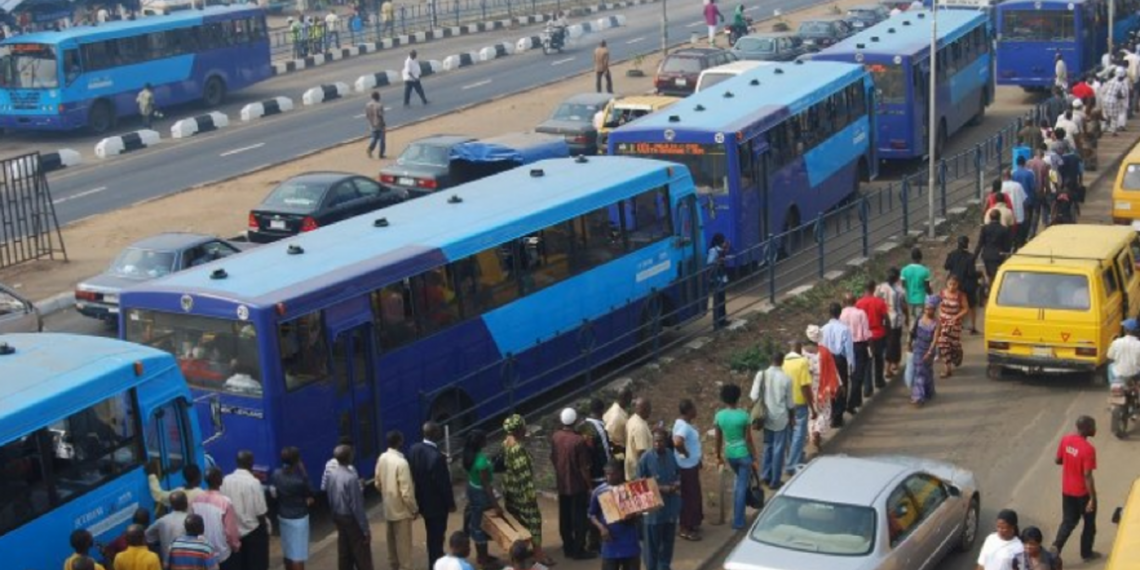
Lagos Government Increases Bus Fares Across BRT and BRI Networks
The Lagos State Government has approved a 13% increase in fares for Bus Rapid Transit (BRT) and Bus Reform Initiative (BRI) services, effective March 2, 2026. The adjustment affects commuters across Lagos and reflects rising operational and maintenance costs within the state’s public transport system.
The decision introduces a uniform upward review across the BRT and BRI corridors, marking the latest policy move aimed at sustaining transport operations in Africa’s most populous city.
What the Fare Adjustment Means
The 13% increase applies to all BRT and BRI routes operating under the regulatory oversight of the Lagos Metropolitan Area Transport Authority (LAMATA). The agency coordinates and supervises public transportation services across the state.
According to the government, the adjustment takes effect on Sunday, March 2, 2026. Transport operators are expected to implement the revised pricing structure immediately.
For daily commuters, the increment translates into moderately higher daily transport expenses. For businesses and policymakers, it signals continued cost pressures within urban mobility infrastructure.
Drivers of the Fare Increase
The state government attributed the adjustment to escalating operational costs. These include higher fuel prices, vehicle maintenance expenses, spare parts procurement, and general inflationary pressures.
Nigeria has experienced persistent inflationary trends over the past year, affecting transport, logistics, and energy inputs. Rising costs have significantly impacted fleet operations, particularly in high-capacity systems such as BRT, which require constant maintenance and fuel supply to remain functional.
Urban transport systems typically operate on thin margins, especially where fares are partially regulated. Without periodic reviews, operators face sustainability challenges that can degrade service reliability and fleet availability.
Implications for Commuters and the Urban Economy
Lagos remains Nigeria’s commercial hub, with millions relying daily on BRT and BRI buses for mobility across major corridors. Any fare adjustment directly affects household budgets, particularly low- and middle-income earners who depend on public transport.
A 13% increase may appear moderate relative to broader inflation levels, but cumulative transport costs significantly influence disposable income and labour mobility. Employers may also experience indirect effects where commuting costs shape wage expectations or workforce punctuality.
However, policymakers face a balancing act. Maintaining artificially low fares in the face of rising input costs risks service deterioration, fleet shortages, and longer waiting times. Fare reviews, when structured and predictable, can help preserve system efficiency and long-term viability.
Policy Context: Sustainability Versus Affordability
LAMATA’s regulatory mandate centres on building a financially sustainable, integrated transport network. Cost-reflective pricing forms part of that framework.
Globally, urban transit systems often rely on a mix of passenger fares, government subsidies, and capital investment to remain viable. In Lagos, where population growth continues to pressure infrastructure, ensuring operational continuity remains a policy priority.
The 13% adjustment suggests the state opted for a moderate recalibration rather than a steep correction, potentially to cushion the social impact while addressing cost realities.
Broader Economic Signals
Transport pricing often serves as a leading indicator of inflationary transmission within urban economies. Rising bus fares reflect broader macroeconomic pressures, including energy costs and exchange-rate dynamics that influence imported spare parts and vehicle components.
For investors and infrastructure stakeholders, the adjustment reinforces the need for scalable, cost-efficient transit solutions. Public-private partnerships, fleet modernisation, and alternative energy buses may become increasingly relevant to stabilise long-term operating expenses.
The Lagos State Government’s 13% fare increase for BRT and BRI services, effective March 2, 2026, represents a policy response to sustained operational cost pressures. While commuters will face higher transport expenses, the adjustment aims to protect service continuity and system sustainability.
Going forward, the effectiveness of this measure will depend on whether improved revenue translates into consistent service delivery, fleet reliability, and operational efficiency. For policymakers, investors, and urban planners, the development underscores the complex balance between affordability and financial sustainability in rapidly expanding metropolitan transport systems.
