
Lagos Amplifies Smart Planning and Capital Discipline to Strengthen Sustainable Property Investment
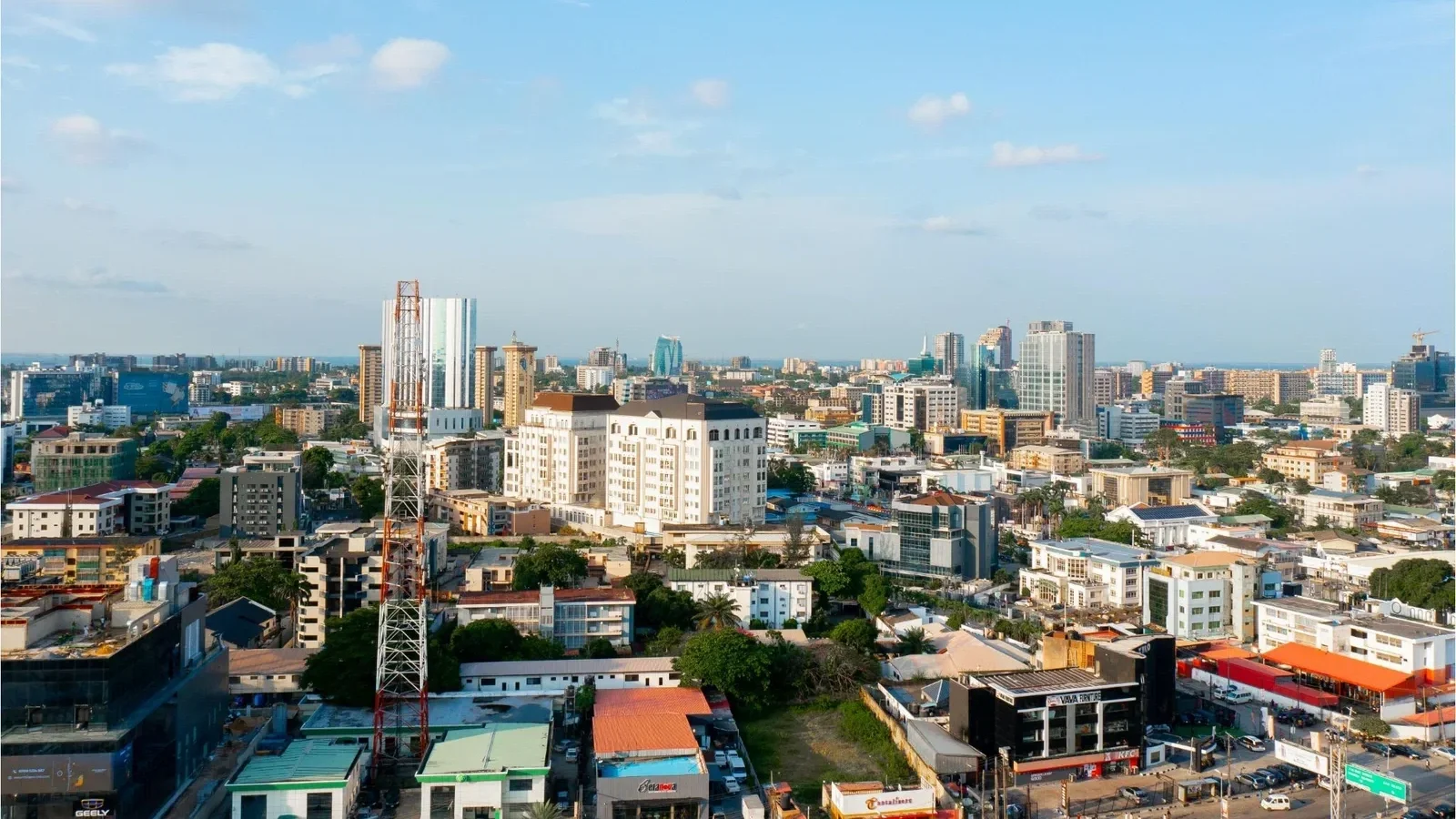
Lagos State Prioritises Institutional Trust and Smart Infrastructure for Real Estate
The Lagos State Government is intensifying efforts to establish the city-state as a premier destination for sustainable property investment through strategic urban planning and disciplined capital allocation. Addressing investors and policymakers at the Property Investment and Smart Cities Conference, state officials outlined a framework centred on infrastructure, regulatory certainty, and institutional trust to attract long-term capital, bolster economic growth, and enhance living standards in Africa’s most populous urban centre.
Strategic Urban Planning as an Investment Catalyst
Lagos is leveraging smart planning as a cornerstone of its urban development policy, with the aim of creating a property investment ecosystem that balances profitability with social inclusion. Officials emphasised that integrating transport-oriented development, sustainable infrastructure, and public-private partnerships will strengthen investor confidence and unlock new urban corridors.
The state’s approach places particular emphasis on synchronising growth with infrastructure delivery ensuring that residential, commercial, and industrial zones are supported by reliable transport links and urban amenities. This alignment, officials argue, reduces project risk and improves market absorption for both local and international investors.
Capital Discipline: Beyond Cost-Cutting to Value Creation
Lagos’ leadership emphasised that capital discipline goes beyond fiscal restraint it is about allocating resources in ways that deliver measurable economic, social, and environmental outcomes. According to the governor’s representatives, disciplined investment can close housing gaps, stimulate job creation, and strengthen urban resilience.
By enforcing compliance through institutional frameworks such as the Lagos State Building Control Agency (LASBCA), the government aims to ensure that developments adhere to approved plans, reducing structural risk and enhancing market credibility. Predictability, certainty, and institutional trust were highlighted as key tenets underpinning the state’s investor strategy.
Public-Private Partnerships and Institutional Trust
Public-private partnerships (PPPs) are central to Lagos’ property investment agenda. Officials noted that well-structured PPP frameworks can reduce the fiscal burden on government while leveraging private sector efficiency, innovation, and capital. This model is also expected to accelerate delivery timelines and improve service quality.
Institutional trust, particularly in transparent approvals and land administration processes, remains a priority. State representatives argued that reducing uncertainty in regulatory processes is essential to attract longer-term capital, particularly in an environment where global investors are increasingly focused on risk-adjusted returns.
Sustainability and Urban Resilience as Investment Safeguards
The Lagos strategy reframes sustainability and climate resilience as integral to investor safeguards, not just environmental ideals. Officials highlighted initiatives such as intelligent transport systems, digital planning tools, and green building standards aimed at future-proofing the urban fabric against economic and environmental shocks.
These measures align with broader global urban development trends, where sustainable infrastructure and data-driven planning are increasingly recognised as value drivers for long-term property investment.
Lagos State’s renewed emphasis on smart planning, capital discipline, and robust institutional frameworks reflects a strategic shift toward sustainable property investment that balances economic growth with social impact. By reducing regulatory uncertainty, promoting infrastructure alignment, and deepening public-private collaboration, the city aims to maintain its competitive edge in a rapidly evolving real estate market. For investors, policymakers, and urban planners, Lagos’ approach offers a model for integrating long-term resilience with development-driven capital deployment.
