
Infrastructure Push: Federal Government Allocates ₦3.23 Trillion for Road Projects
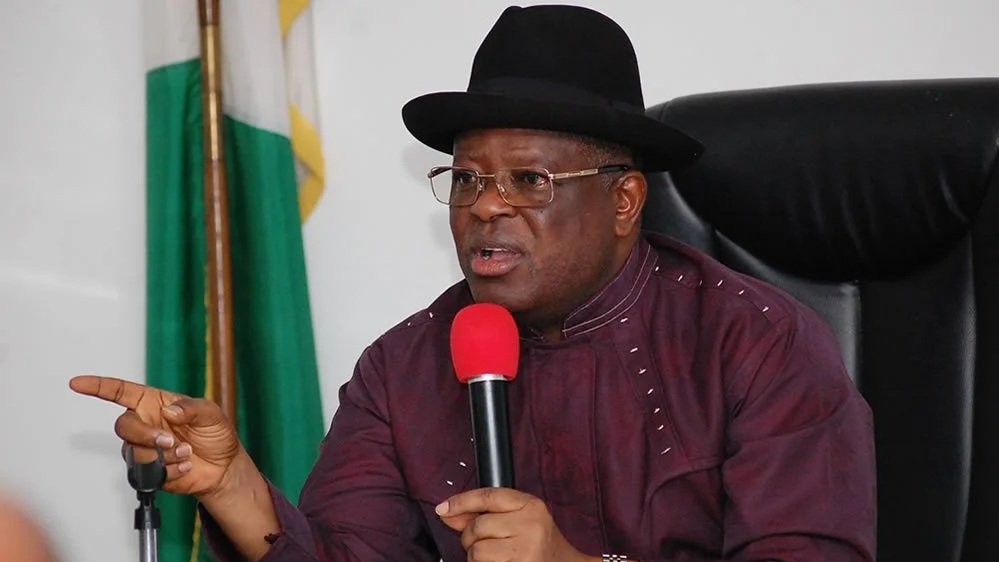
David Nweze Umahi Minister of Works
The Federal Government of Nigeria significantly escalated its investment in road infrastructure, with total spending increasing by 489 per cent to reach ₦3.23 trillion in 2024. This substantial rise from the ₦548.44 billion recorded in 2023 underscores the current administration's prioritisation of transport networks as a catalyst for national economic growth.
According to data sourced from the Federal Ministry of Budget and Economic Planning and reported by The Punch, this expenditure reflects a strategic shift towards massive infrastructure development under the "Renewed Hope" agenda. The funding is directed at rehabilitating dilapidated arterial roads and initiating high capacity coastal and trans-Saharan highways to improve connectivity across the six geopolitical zones.
Comparative Analysis of Fiscal Allocations
The 489 per cent increase represents one of the most significant year-on-year jumps in capital expenditure for the transport sector in Nigeria’s recent history. While the 2023 fiscal year saw an allocation of approximately ₦548 billion for road related projects, the 2024 budgetary framework expanded this figure to ₦3.23 trillion. This expansion includes both direct budgetary provisions and specialized funding mechanisms designed to bypass traditional liquidity constraints.
A significant portion of this capital is concentrated within the Federal Ministry of Works. The ministry has transitioned from a maintenance heavy approach to a construction centric model, focusing on concrete pavement technology for durability. The increase in spending is also attributed to the rising costs of construction materials and the necessity of addressing the backlog of over 2,000 ongoing road projects nationwide.
Strategic Projects and Funding Mechanisms
A primary driver of this ₦3.23 trillion expenditure is the commencement of "legacy projects" that require intensive upfront capital. These include the 700-kilometre Lagos-Calabar Coastal Highway and the 1,000 kilometre Badagry-Sokoto Highway. These projects are intended to facilitate trade by linking major ports to landlocked northern regions and neighboring West African countries.
To sustain this level of spending, the Federal Government has utilised a mix of funding sources beyond the annual budget. According to the Debt Management Office (DMO), Sukuk bonds remain a critical instrument, providing ring-fenced funding specifically for road projects. Furthermore, the "Renewed Hope Infrastructure Development Fund" has been established to attract private equity and multilateral institutional support, aiming to reduce the total reliance on the national treasury.
Economic Implications and Project Delivery
The surge in road spending is expected to have a multiplier effect on the Nigerian economy by reducing transit times and lowering the cost of logistics for agricultural and industrial goods. However, analysts note that the efficacy of this ₦3.23 trillion investment depends largely on project management and the timely release of funds to contractors to avoid cost overruns caused by inflationary pressures.
The Federal Ministry of Works has reported that several critical corridors, including sections of the Abuja-Kano Road and the Second Niger Bridge link roads, have reached advanced stages of completion due to this increased funding. The government maintains that these investments are essential for long-term fiscal stability, despite the short-term pressure on the national deficit.
The 489 per cent increase in federal road spending to ₦3.23 trillion marks a definitive move toward closing Nigeria’s infrastructure gap. By committing record levels of capital to the transport sector, the Federal Government aims to provide the physical foundation necessary for a diversified economy. Moving forward, the focus for policymakers and investors will likely shift toward the transparency of these expenditures and the measurable impact of completed projects on the national Gross Domestic Product (GDP).
