
ICPC Reportedly Uncovers Properties Linked to Nasir El-Rufai in Egypt
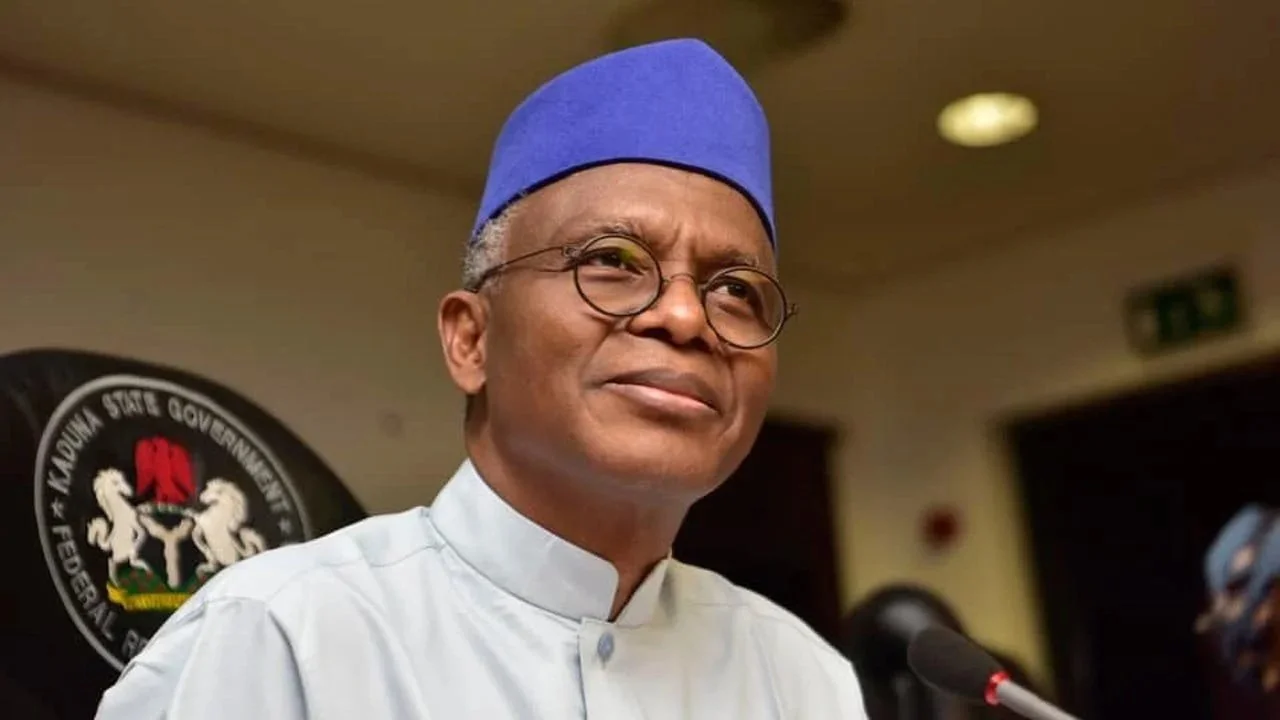
Several Luxury Homes in Egypt Reportedly Linked to El-Rufai in ICPC Investigation
Nigeria’s anti-corruption agency, the Independent Corrupt Practices and Other Related Offences Commission (ICPC), has reportedly identified several real estate assets in Egypt allegedly linked to former Kaduna State governor Nasir Ahmad El‑Rufai as part of an ongoing investigation into financial activities during his tenure in office.
Sources familiar with the investigation said the properties are located in high-end residential districts of New Cairo, an affluent suburb of Cairo known for luxury gated communities and upscale residential developments.
Luxury Estates in New Cairo Under Investigation
According to investigators, at least six properties including villas and apartments have been identified and are currently under scrutiny. The assets are reportedly situated within exclusive residential estates such as Arabella, Banafsek, Oriana, and Cairo Festival City in New Cairo.
Preliminary findings indicate that some villas in these developments are valued between 50 million and 200 million Egyptian pounds, equivalent to several billion naira depending on exchange rates. Apartments in the same districts reportedly command prices of around 26 million Egyptian pounds or more.
Investigators are examining multiple specific units allegedly linked to the former governor, including villas in the Fifth Settlement district of New Cairo and apartments within the Cairo Festival City development.
Timeline of Alleged Property Acquisitions
Sources within the investigation said the properties were allegedly acquired between 2021 and 2023, during the latter part of El-Rufai’s tenure as governor of Kaduna State.
The probe forms part of a broader inquiry into alleged financial improprieties connected to the former governor’s administration, which governed Kaduna State from 2015 to 2023.
Officials involved in the investigation stated that the inquiry is ongoing and may involve additional financial tracing and documentation reviews.
Response and Political Context
As of the latest reports, El-Rufai has not publicly responded to the specific allegations concerning the Egyptian properties. However, he has previously denied wrongdoing in relation to ongoing investigations and has maintained that actions against him are politically motivated.
Separately, his legal counsel has accused the anti-corruption agency of engaging in political persecution and called for his immediate release amid the broader investigation.
The allegations emerge against a backdrop of heightened political tensions and legal disputes involving the former governor and federal authorities.
Broader Implications for Anti-Corruption Enforcement
Nigeria’s anti-corruption agencies, including the ICPC, have increasingly expanded investigations beyond domestic assets to include foreign properties allegedly acquired with illicit funds.
Financial investigators typically collaborate with international institutions and property registries to trace assets across jurisdictions. Such investigations often require extensive documentation and legal cooperation between countries.
For policymakers and governance experts, the case underscores the importance of cross-border financial transparency and stronger institutional capacity to track illicit financial flows.
Outlook
The ICPC has not released a formal public report detailing the alleged assets, and the investigation remains ongoing. Authorities are expected to verify property ownership records and financial transactions linked to the assets under scrutiny.
The outcome of the probe could influence broader anti-corruption enforcement efforts and may carry political implications within Nigeria’s evolving governance landscape.
