
Housing Supply Crisis: How High Construction Costs and Land Gaps Stall Nigeria’s Growth
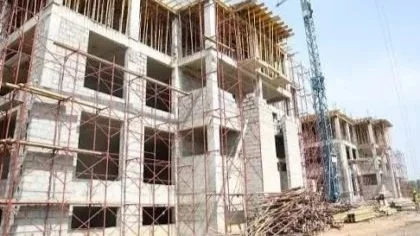
Escalating construction costs and persistent land accessibility gaps are significantly decelerating the delivery of new housing units across Nigeria, threatening national targets for urban renewal and homeownership. Industry stakeholders report that the dual pressures of inflationary building material prices and bureaucratic land tenure systems have created a supply-side bottleneck that requires urgent policy intervention to prevent a further widening of the national housing deficit.
Inflationary Pressures on Building Materials
The Nigerian construction sector is currently grappling with a sharp increase in the prices of essential building materials, primarily driven by currency fluctuations and high energy costs. According to market data, the prices of cement, reinforcement bars, and finishing materials have experienced double-digit growth within the last 12 months.
This inflationary environment forces developers to adjust project timelines or pass costs on to the end consumer, further alienating low to middle income earners from the formal property market. When construction inputs rise at a rate that outpaces wage growth, the viability of affordable housing projects diminishes, leading to a shift in developer focus toward high-end luxury segments where margins are more resilient.
Land Accessibility and Infrastructure Gaps
Beyond material costs, the difficulty of securing titled land remains a structural barrier to housing supply. Inconsistent land administration across various states continues to inflate the "soft costs" of development. Furthermore, the absence of primary infrastructure such as access roads, electricity, and water on available land tracts means developers must often provide these utilities themselves.
These "off-site" infrastructure costs can add as much as 30% to the total cost of a housing development. Experts suggest that for the "Renewed Hope" housing agenda to succeed, the government must prioritise the provision of serviced plots to reduce the initial capital outlay required by private developers.
The Role of Policy and Financing
Addressing these supply-side constraints requires a multi faceted approach involving fiscal incentives and institutional reforms. Stakeholders are advocating for a reduction in import duties on essential construction machinery and certain raw materials that cannot yet be produced locally at scale.
Furthermore, the expansion of construction finance at single-digit interest rates is essential. While the Federal Mortgage Bank of Nigeria (FMBN) and the Family Homes Funds Limited (FHFL) continue to provide some relief, the scale of financing required to offset current construction inflation remains substantial.
The convergence of high construction costs and land access challenges presents a formidable obstacle to Nigeria’s urban development goals. Unless the Federal Government implements strategic interventions to stabilise material prices and streamline land documentation, the pace of housing supply will likely continue to lag behind the country’s rapid urbanisation rate. A forward-looking perspective suggests that adopting alternative building technologies and green building materials could offer a long-term pathway to reducing dependency on traditional, high-cost inputs.
