Ministry of Housing Unveils Standardised Framework for Maintenance and Preservation of Public Assets
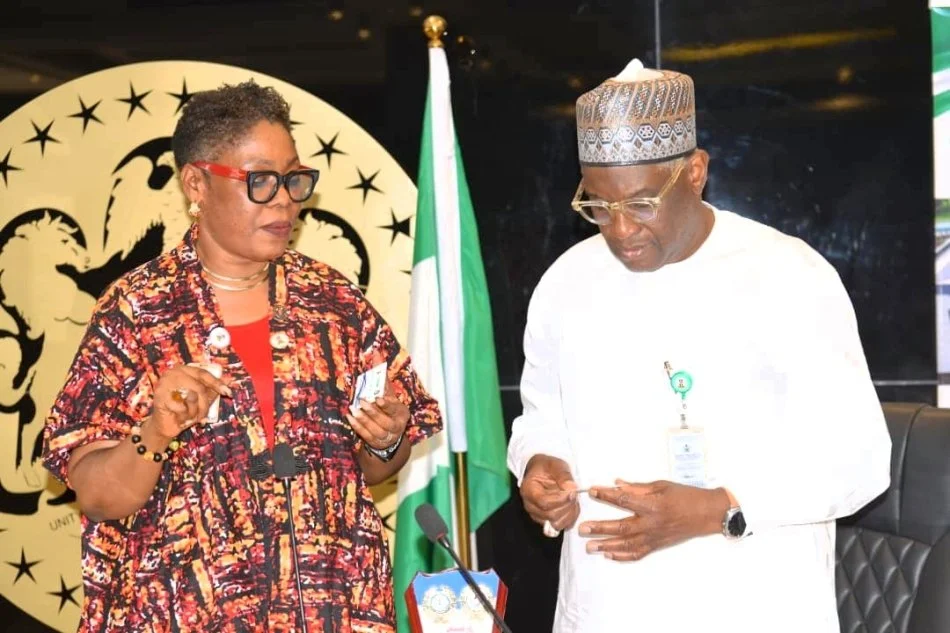
The new framework is to transition government institutions from reactive repairs to a structured, proactive maintenance regime.
The Federal Government of Nigeria has introduced a comprehensive framework and a set of Standard Operating Procedures (SOPs) designed to institutionalize a proactive maintenance culture for public infrastructure. Spearheaded by the Federal Ministry of Housing and Urban Development, through the Department of Federal Public Assets Maintenance (FPAM), the initiative aims to ensure the sustainable and uniform management of federal assets across all Ministries, Departments, and Agencies (MDAs). This move aligns with the mandates of Presidential Executive Order No. 11, which was gazetted on April 6, 2022, to safeguard national investments.
Institutionalizing Proactive Maintenance Culture
The core objective of the new framework is to transition government institutions from reactive repairs to a structured, proactive maintenance regime. According to the Director of FPAM, Arc. Chioma Wogu-Ogbonna, the SOPs provide a harmonized approach to asset preservation, ensuring that federal properties do not suffer from premature deterioration. By establishing measurable outcomes and quality assurance protocols, the department seeks to promote "value-for-money" in the management of public funds allocated for infrastructure upkeep.
The framework is supported by the Ministry of Housing and Urban Development, with Permanent Secretary Dr Shuaib Belgore providing institutional backing for the rollout. The department is statutorily empowered to oversee the maintenance functions of all federal government assets, ensuring they remain functional and aesthetically preserved.
Compliance and Accountability Tools
To facilitate the seamless adoption of these standards, FPAM has introduced a suite of compliance documents and a comprehensive maintenance manual for distribution to MDAs. These tools are central to a new certification and oversight process designed to enhance:
Traceability: Ensuring every maintenance action is recorded and verifiable.
Accountability: Defining clear responsibility for asset conditions within each government institution.
Alignment: Guaranteeing that all maintenance activities adhere to established national protocols and safety standards.
Rollout and Engagement with MDAs
The Ministry has commenced direct engagements with various MDAs to facilitate the implementation of these SOPs. This collaborative phase is intended to address the unique maintenance challenges faced by different sectors while maintaining a consistent quality standard across the Federal Public Service. By providing a standardized manual, the government intends to eliminate the inconsistencies that previously characterized asset management in Nigeria.
The introduction of these compliance forms signifies a shift toward a more data-driven approach to governance. Government institutions will now be required to demonstrate adherence to the maintenance manual to receive certification, creating a documented audit trail for the lifecycle of public assets.
Conclusion
The unveiling of the Federal Public Assets Maintenance framework represents a significant step toward addressing the long-standing challenge of infrastructure decay in Nigeria. By grounding these efforts in the statutory authority of Executive Order No. 11, the Federal Government is attempting to build a sustainable system that prioritizes the longevity of public investments. The success of this initiative will ultimately depend on the rigor of oversight provided by the FPAM and the level of compliance demonstrated by MDAs in the coming fiscal years.