
FCT Strike Update: Residents Groan as Schools and Clinics Remain Closed
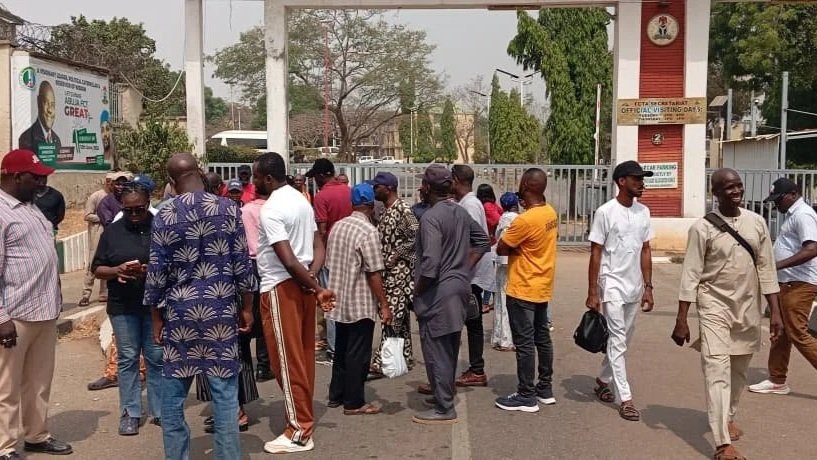
Residents Groan as Schools and Clinics Remain Closed
Public service delivery across the Federal Capital Territory (FCT) has reached a standstill as primary schools and healthcare facilities remain shut due to the ongoing industrial action by the Joint Union Action Committee (JUAC). The strike, which has entered a second week, stems from unresolved grievances regarding staff welfare, the implementation of the new minimum wage, and the non-payment of accumulated arrears to workers within the FCT Administration (FCTA) and the Area Councils.
Paralysis in Education and Healthcare
A survey of the six Area Councils Abuja Municipal (AMAC), Bwari, Kuje, Gwagwalada, Kwali, and Abaji reveals that academic activities in public primary schools have been entirely suspended. Pupils who reported to school were turned back by union officials, leaving parents to seek alternative, often costlier, private education options.
Similarly, Primary Health Centres (PHCs), which serve as the first point of medical contact for the majority of FCT residents, are no longer attending to patients. The closure has sparked concerns over a potential public health crisis, particularly for maternal and child healthcare services and routine immunisation programmes.
JUAC Stands Firm on Welfare Demands
The leadership of JUAC has maintained that the strike will continue until the FCT Administration provides a concrete and verifiable roadmap for meeting their demands. Central to the dispute is the implementation of the ₦70,000 national minimum wage and the payment of Peculiar Allowances which have reportedly been delayed for several months.
According to JUAC representatives, the union had previously issued multiple notices and engaged in several rounds of negotiations with the FCTA, which yielded no tangible results. "The workers are the engine room of the city's development, yet their welfare is consistently treated as an afterthought," a union official stated, emphasizing that the strike remains the last resort for the workforce.
Impact on Residents and the Local Economy
The prolonged industrial action is exerting significant pressure on FCT residents, particularly those in rural and suburban communities who depend solely on government-subsidized services.
Healthcare Strain: Secondary health facilities are reportedly witnessing an influx of patients diverted from the closed PHCs, leading to overcrowding and overstretched resources.
Economic Downturn: Small businesses operating around school premises and health centres have reported a sharp decline in daily patronage.
Public Outcry: Stakeholders and community leaders have called on FCT Minister, Nyesom Wike, to intervene personally to break the deadlock and restore essential services to the capital.
Institutional Response and Potential Resolution
While the FCT Administration has previously expressed a commitment to resolving the issues, the lack of a formal agreement has kept the gates of public institutions locked. Analysts suggest that the fiscal implications of the new minimum wage across the six Area Councils remain the primary sticking point in the negotiations.
The administration is reportedly reviewing its revenue allocations to determine a sustainable path for meeting the workers' demands without compromising other critical infrastructure projects currently underway in the territory.
The ongoing strike by FCT workers highlights a deepening friction between labour and the administration over the rising cost of living and stagnant welfare packages. As schools and clinics remain under lock and key, the social cost of the impasse continues to mount. A swift resolution is imperative not only to restore public order but also to ensure that the vulnerable populations of the FCT are not permanently disadvantaged by the collapse of primary education and healthcare delivery.
