
FAAN Warns of Flight Cancellations and Delays to Middle East Routes as Airspace Closures Disrupt International Travel
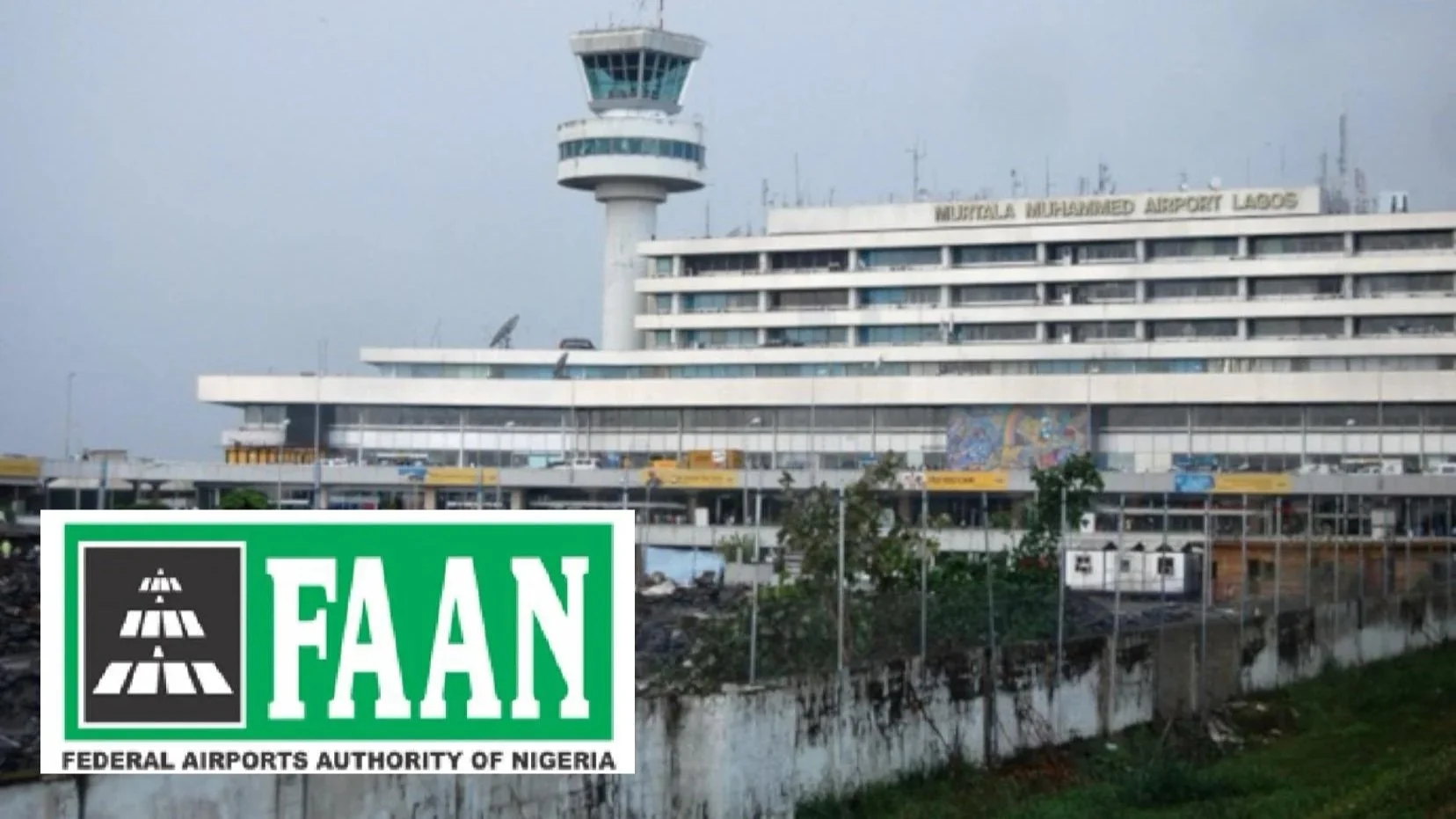
Nigerian Flights to Gulf Hubs Disrupted as Airspace Closures Expand
The Federal Airports Authority of Nigeria (FAAN) has announced flight cancellations and delays affecting routes to Middle East destinations due to widespread airspace closures in the region. The disruptions, linked to ongoing military tensions and associated airspace shutdowns, are impacting operations of carriers such as Emirates and Qatar Airways at Nigerian international airports.
Airspace Closures Trigger Operational Disruptions
The aviation authority’s advisory came in response to multiple countries across the Middle East imposing temporary airspace restrictions amid escalating regional conflict and safety concerns. As a result, several flights scheduled from Nigerian airports to destinations including Doha, Dubai, and other Gulf hubs have either been cancelled or delayed.
FAAN’s statement, released on social media and confirmed by local news outlets, emphasised that these developments are beyond the control of Nigerian airports and airlines, advising passengers to contact their respective carriers for updated flight information, rebooking, or refund options.
Scope of Disruptions and Airline Responses
Affected flights include those operated by major international carriers transiting through Middle Eastern airspace. Reports indicate that services by RwandAir to and from Doha and Dubai were temporarily suspended, with affected passengers permitted to reschedule travel. Air Arabia, Etihad Airways, and Kuwait Airways have also taken precautionary operational measures, including flight suspension or rescheduling until the airspace reopens or safe corridors are established.
Global carriers such as Air France, Turkish Airlines, Lufthansa, Norwegian, Air India, and others have either suspended or significantly altered operations in the region, contributing to widespread travel disruption and passenger stranding.
Underlying Causes: Regional Hostilities and Airspace Closures
The disruptions stem from a sharp escalation in regional hostilities following military strikes and retaliatory actions involving the United States, Israel, and Iran, which triggered a cascade of airspace closures covering parts of the Persian Gulf, the Arabian Peninsula, and neighbouring nations. States including Iran, Israel, Iraq, Qatar, the United Arab Emirates, Kuwait, and Jordan have temporarily shut or restricted civilian airspace to safeguard aircraft from crossing through conflict zones.
The Middle East serves as a critical aviation corridor linking Africa, Europe, and Asia. Its partial shutdown forced airlines to reroute flights, delay departures, or cancel scheduled services altogether, creating cascading effects on international travel networks.
Impact on Nigerian Passengers and Travel Plans
Nigerian travellers bound for or transiting through Middle Eastern hubs are among those affected by the disruptions. Some have reported being stopped from boarding flights already in process, while others face extended delays or have had bookings cancelled outright. In many cases, travellers are urged to remain in close contact with airlines for updates on flight status, rebooking availability, and refund policies.
The situation is evolving rapidly, with airlines adjusting schedules daily based on real-time assessments of airspace safety and regulatory directives from civil aviation authorities.
Safety and Operational Priorities
Airlines and aviation regulators globally have reiterated that passenger and crew safety remains paramount, with decisions on flight operations driven by risk assessments in light of fluid geopolitical conditions. Affected carriers are offering flexibility in ticket changes and cancellations to mitigate inconvenience, though extended delays remain a possibility until airspace conditions stabilise.
The Federal Airports Authority of Nigeria’s announcement of flight cancellations and delays highlights the far-reaching impact of Middle Eastern airspace closures on international aviation, including routes serving Nigerian travellers. Airspace restrictions tied to regional hostilities continue to disrupt flight schedules, prompting ongoing advisories from airlines and aviation authorities. Passengers are advised to monitor official channels for updates and to prepare for potential changes in their travel plans as safety-driven decisions evolve.
