
Lower Import Costs Drive $1.28bn Trade Surplus in Latest Trade Data
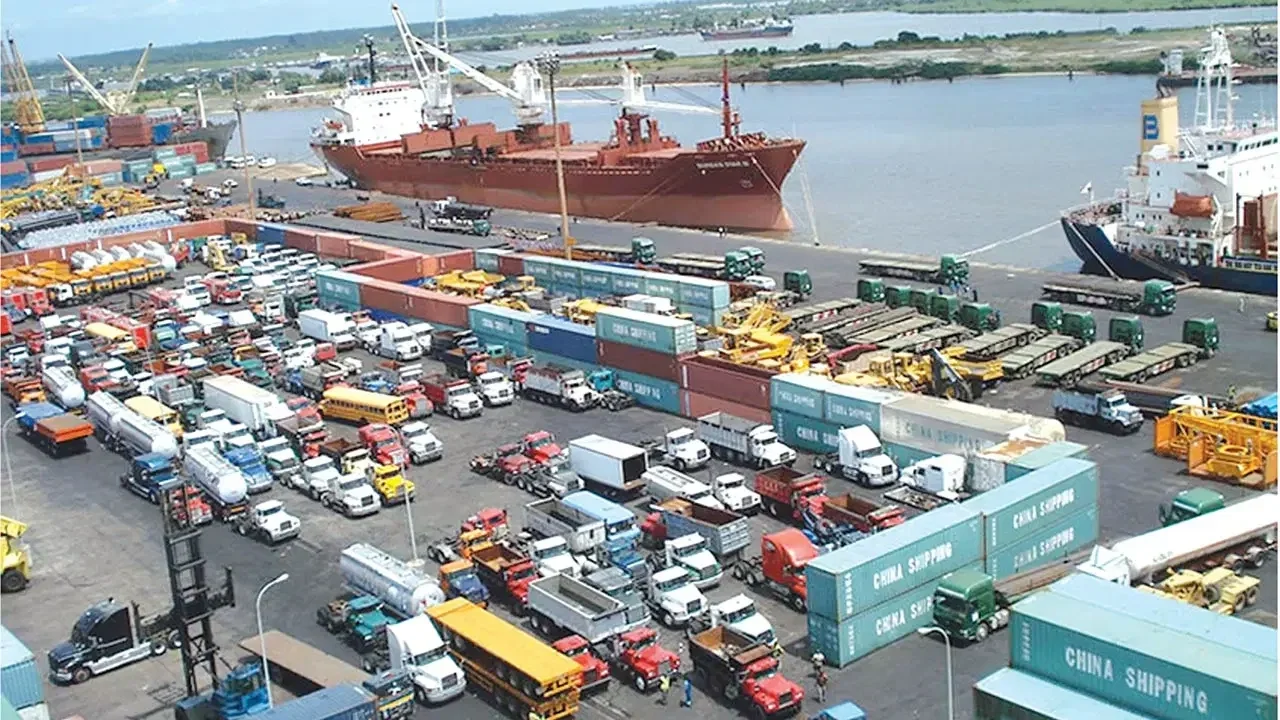
Import Compression Boosts Nigeria’s Trade Balance to $1.28bn Surplus
Nigeria posted a $1.28bn trade surplus following a marked decline in import bills, according to the latest official trade data. The surplus reflects stronger external balances driven by reduced import expenditure and steady export performance, signalling an improvement in the country’s foreign trade position.
The development comes amid ongoing policy adjustments aimed at stabilising the naira, conserving foreign exchange, and rebalancing the economy’s external accounts.
Import Compression Drives Trade Balance
Official figures reported by the National Bureau of Statistics show that lower import spending played a decisive role in shifting the trade balance into surplus. A reduction in the importation of goods particularly energy products, manufactured items, and other high-value categories helped narrow the import bill during the period under review.
Economists attribute the compression in imports to a combination of tighter foreign exchange conditions, exchange rate adjustments, and moderating domestic demand. The higher cost of imported goods following currency reforms has curbed import appetite across several sectors.
At the same time, export receipts remained resilient, supported largely by crude oil shipments and select non-oil exports. Nigeria’s export profile continues to be dominated by hydrocarbons, although policymakers have intensified efforts to diversify into agriculture and manufactured goods.
Implications for Foreign Exchange and Reserves
A trade surplus strengthens a country’s external position by increasing net foreign exchange inflows. For Nigeria, the $1.28bn surplus eases pressure on foreign reserves and supports broader macroeconomic stabilisation efforts.
The Central Bank of Nigeria has prioritised restoring liquidity and transparency in the foreign exchange market. A sustained trade surplus can reinforce these efforts by improving dollar supply and narrowing external financing gaps.
Analysts note that while import compression offers short-term relief, long-term stability depends on structural export growth rather than persistent demand suppression. Overreliance on reduced imports without expanding productive capacity could constrain industrial output and consumer welfare.
Sectoral Trends and Export Performance
Crude oil exports remain the backbone of Nigeria’s trade earnings. Production stability and improved price realisation have supported overall export values during the review period. However, non-oil exports, including agricultural commodities and solid minerals, continue to represent a smaller share of total trade.
Policy initiatives to enhance local production and reduce import dependency have gained momentum. Programmes aimed at boosting domestic refining capacity, agriculture, and manufacturing could further alter the trade composition in coming quarters.
Investors and policymakers will monitor whether the trade surplus reflects structural reform progress or cyclical demand adjustment.
Macroeconomic Context
Nigeria’s external accounts have faced sustained pressure in recent years due to exchange rate volatility, high import dependence, and fluctuating oil revenues. The latest surplus signals an improving short-term outlook for the balance of payments.
For institutional investors, a stronger trade balance reduces sovereign risk premiums and enhances currency stability. For policymakers, it provides fiscal and monetary breathing room as reforms continue across the energy and foreign exchange markets.
However, sustained improvement requires diversification of export earnings, expansion of industrial capacity, and productivity gains across key sectors.
Outlook
The $1.28bn trade surplus marks a positive shift in Nigeria’s external trade dynamics, driven primarily by declining import bills. While the development strengthens foreign exchange stability and external buffers, long-term resilience depends on export diversification and structural economic reforms.
Market participants will watch upcoming trade data closely to determine whether this surplus represents the beginning of a sustained external rebalancing or a temporary adjustment driven by constrained import demand.
