CBN Projects 4.49% GDP Growth for 2026 Amid Strengthening Stability
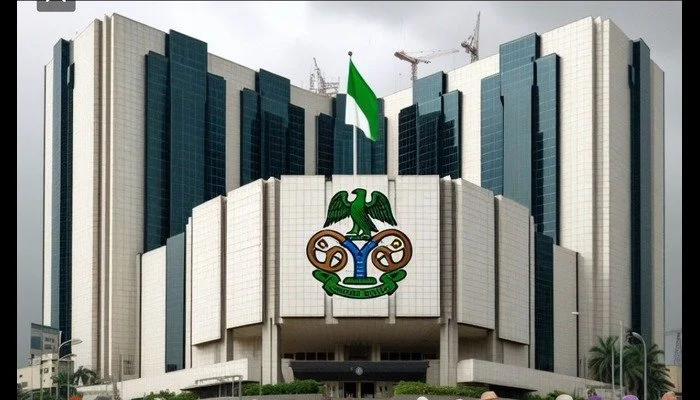
The Central Bank of Nigeria (CBN) has released its comprehensive Macroeconomic Outlook for 2025
The Central Bank of Nigeria (CBN) has released its comprehensive Macroeconomic Outlook for 2025, detailing a resilient domestic performance despite a decelerating global economy. According to the report, titled “Consolidating Macroeconomic Stability Amid Global Uncertainty,” Nigeria’s GDP growth accelerated to 3.89% in 2025, up from 3.38% in 2024. This growth occurred against a global backdrop where output slowed to 3.20%, hampered by persistent trade tensions and subdued demand in advanced economies.
Disinflationary Momentum and 2026 Forecasts
One of the most significant findings in the report is the projected trajectory of consumer prices. Headline inflation, which peaked at 24.48% in January 2025, averaged 21.26% by year-end. The CBN attributes this moderation to a "hawkish" monetary policy stance, improved exchange rate stability, and enhanced coordination with fiscal authorities.
Looking ahead to 2026, the apex bank forecasts a sharp deceleration in headline inflation to an average of 12.94%. This optimistic target is predicated on:
Energy Cost Reductions: Lower Premium Motor Spirit (PMS) costs as domestic refining capacity scales.
Agricultural Yields: Improved food supply following structural agricultural reforms.
Monetary Lag: The delayed impact of the aggressive interest rate hikes implemented throughout 2024 and early 2025.
Financial Soundness and External Sector Performance
The financial sector maintained stability throughout 2025 despite tighter money market conditions. The report confirms that banking indicators remained well within regulatory limits, bolstered by the ongoing recapitalization exercise. In the external sector, Nigeria recorded a balance of payments surplus of $5.80 billion in 2025, supported by rising external reserves which reached approximately $45.01 billion.
Fiscal conditions also showed improvement. Government reforms and stable crude oil prices helped narrow the fiscal deficit, with the total public debt standing at 33.98% of GDP as of mid-2025. This indicates a disciplined approach to public finance management and improved revenue mobilization under the new tax frameworks.
Risk Assessment and Policy Anchors
Despite the positive baseline, the outlook identifies several "downside risks" that could undermine progress:
Global Volatility: Potential capital flow reversals driven by shifts in investor sentiment.
Climate & Security: Unfavorable climatic conditions affecting food output and security disruptions in oil-producing regions.
Fiscal Slippage: The risk of expenditure outpacing prudent benchmarks, which could trigger renewed exchange rate volatility.
To mitigate these risks, the CBN recommends maintaining a delicate balance between price stability and output growth. Fiscal authorities are encouraged to broaden the tax base and maintain spending discipline to ensure long-term debt sustainability.
Conclusion
The 2025 outlook and 2026 projections signal that Nigeria has moved past the phase of "crisis management" into a period of cautious stabilization. With a growth target of 4.49% for 2026 and a significantly lower inflation forecast, the economy is positioned for a turning point. However, the realization of these projections hinges on the sustained implementation of structural reforms and the ability of policymakers to remain adaptable in a volatile global financial environment.