
Abuja-Kaduna Rail Passengers Report Mid Journey Loss of Air Conditioning, Lighting
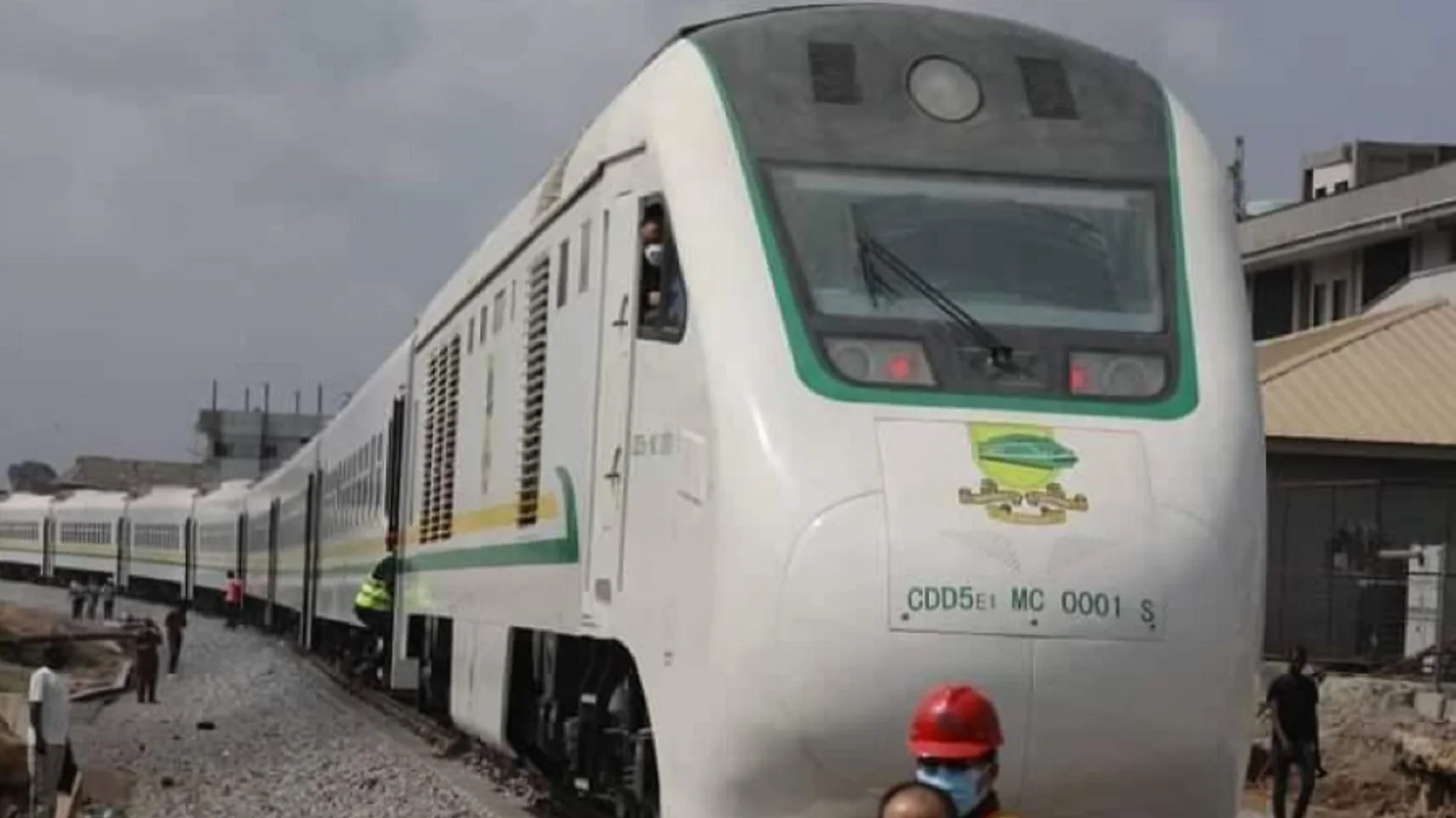
Passengers on the Abuja-Kaduna rail line have reported a loss of air conditioning and lighting mid-journey, raising fresh concerns over service reliability on one of Nigeria’s busiest intercity rail corridors. The incident, which occurred during a recent trip between Abuja and Kaduna, left commuters stranded in dark, unventilated coaches for a period before services were restored, according to passenger accounts reported by Nairametrics.
Service Disruption on a Critical Rail Corridor
The Abuja-Kaduna standard gauge rail line, operated by the Nigerian Railway Corporation (NRC), serves as a strategic transport alternative to the Abuja-Kaduna highway. The route has seen increased patronage in recent years due to persistent security concerns along the road corridor and rising intercity travel demand.
According to passenger reports, the train developed technical issues mid-journey, leading to a sudden shutdown of air conditioning systems and interior lighting. The outage reportedly lasted for a significant duration before technical teams addressed the fault.
Commuters described discomfort due to poor ventilation and limited visibility inside the coaches. While no injuries were reported, passengers expressed concern over safety and emergency preparedness protocols during such incidents.
Operational Reliability Under Scrutiny
The Abuja–Kaduna rail service remains one of the flagship projects of Nigeria’s railway modernisation programme. Since its commissioning in 2016, the standard gauge line has transported millions of passengers and generated billions of naira in ticket revenue, according to data previously released by the NRC.
However, recurring technical and security challenges have intermittently disrupted operations. In 2022, the corridor experienced a prolonged suspension following an attack on the rail infrastructure, highlighting the vulnerability of critical transport assets.
The latest incident shifts focus from security to operational resilience. For investors and policymakers, system reliability directly affects revenue sustainability, public confidence, and the broader economic case for rail-led transport reform.
Infrastructure Maintenance and Investment Implications
Modern rail systems rely heavily on stable power systems, backup generators, and preventive maintenance protocols. The loss of air conditioning and lighting suggests either a power supply fault or a technical systems failure within the train set.
Industry analysts note that consistent maintenance funding and technical oversight are essential to prevent service interruptions. Rail assets require routine inspection cycles, spare parts inventory management, and skilled engineering support. Any gap in these areas can lead to service degradation.
The Federal Government has prioritised rail infrastructure as part of its national transport strategy. Budgetary allocations in recent years have targeted rail expansion and rehabilitation projects across key economic corridors. However, sustained operational efficiency remains critical to justify continued capital expenditure and attract private-sector participation.
Passenger Confidence and Economic Impact
For many commuters, the Abuja-Kaduna rail line represents a safer and more predictable alternative to road travel. Service interruptions, particularly those affecting passenger comfort and safety, risk eroding confidence in the system.
Reliable rail infrastructure contributes to labour mobility, regional trade, and reduced logistics costs. Disruptions can increase travel uncertainty, affect business schedules, and impose indirect economic costs.
As Nigeria seeks to expand rail connectivity nationwide, maintaining high service standards on existing routes will influence public perception and long-term adoption rates.
The reported loss of air conditioning and lighting on the Abuja–Kaduna rail line underscores the operational challenges facing Nigeria’s modern rail infrastructure. While the incident did not result in reported injuries, it highlights the importance of technical reliability, preventive maintenance, and responsive passenger communication systems.
For policymakers and transport authorities, strengthening operational resilience will be as important as expanding rail networks. Sustained investment, transparent reporting, and improved maintenance frameworks will determine whether Nigeria’s rail modernisation drive delivers its intended economic and social benefits.
