Agege Area Guide: The Affordable Powerhouse of Lagos Mainland Living
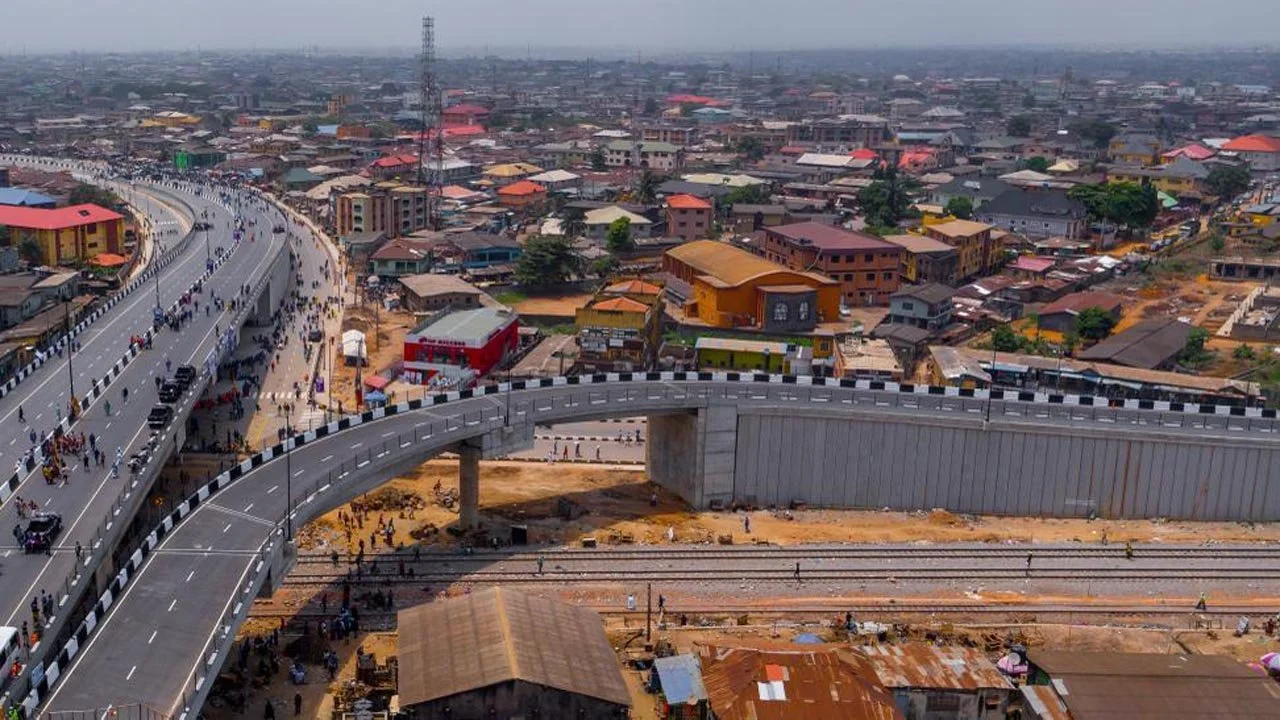
Agege flyover bridge
If you want to understand the real Lagos not the curated skyline version, but the working, breathing engine room of the city you go to Agege.
Agege is not polished. It is not trying to impress you. It is alive, industrious, and constantly evolving. This is where traders open their shops before sunrise, where transport routes connect the Mainland like arteries, and where property that once looked “too local” is quietly becoming one of the smartest long-term plays in Lagos real estate.
In a city where affordability is shrinking and emerging suburbs keep pushing further outward, Agege remains strategically positioned central, connected, and increasingly investable.
This is not just another Lagos neighbourhood guide. This is a real look at what it means to live, rent, buy, and invest in Agege in 2026.
Area Snapshot: Agege at a Glance
Located in northwestern Lagos Mainland, Agege borders Ikeja, Ogba, Abule Egba, and Dopemu. It sits along major transport corridors and benefits from railway connectivity.
Key Facts:
Local Government Area in Lagos State
Strong transport hub access
Mix of dense residential and commercial zones
Significant railway influence (Red Line corridor)
Affordable housing relative to central Mainland
Agege’s proximity to Ikeja makes it strategically important. It allows residents to live at lower costs while working within Lagos’ administrative and commercial capital.
Overview & Identity of the Neighbourhood
Agege has long been known as a bustling, working-class district. However, that narrative is incomplete.
Yes, it is energetic. Yes, it is commercially active. But Agege is also layered. Inside the busy main roads are quieter streets, evolving residential estates, and pockets of redevelopment that are reshaping its identity.
The introduction of rail infrastructure and road improvements has triggered renewed interest from developers and investors. What was once dismissed as “too dense” is now being reconsidered as “strategically located.”
Agege today is a transition market and transition markets create opportunity.
Housing & Real Estate Overview
Agege offers some of the most affordable property options within reasonable proximity to Ikeja and central Mainland business districts.
Common Property Types:
Self-contained apartments
Mini flats (1-bedroom)
2–3 bedroom flats
Old family compounds
Renovated terrace units in emerging streets
Average Rental Prices (2026 Estimates):
Self-contained: ₦400k – ₦700k/year
Mini flat: ₦600k – ₦1.2M/year
2-bedroom flat: ₦900k – ₦1.8M/year
3-bedroom flat: ₦1.5M – ₦2.5M/year
Property Purchase Prices:
2-bedroom flat: ₦35M – ₦70M
3-bedroom flat: ₦50M – ₦90M
Old bungalow (redevelopment value): ₦80M – ₦150M+ depending on land size
Compared to Ikeja or Maryland, Agege provides lower entry barriers for investors.
Price Trends & Market Performance
Over the past few years, Agege has experienced steady rental demand driven by:
Proximity to Ikeja
Rail transport development
Rising rents in surrounding areas pushing demand outward
Capital appreciation has been moderate but consistent. The real opportunity lies in value-add investments purchasing older buildings and upgrading them to modern rental units.
Micro-apartment conversions and student-focused rentals are increasingly viable due to transport improvements.
Cost of Living: Relative to Lagos Average
Agege remains below Lagos Mainland’s premium cost bracket.
Rent: Lower than Ikeja, Yaba, and Surulere
Food: Local markets offer affordable produce
Transportation: Competitive due to multiple route options
Utilities: Similar to most Mainland areas
For residents seeking affordability without moving far from the city core, Agege strikes a practical balance.
Transport & Accessibility
Transport is one of Agege’s strongest advantages.
Direct road links to Ikeja and Ogba
Access to Lagos–Abeokuta Expressway
Railway connectivity through the Red Line corridor
Abundant public transport routes
Commute times to Ikeja can be under 20 minutes depending on traffic, making it attractive to professionals priced out of central districts.
Lifestyle, Amenities & Infrastructure
Agege is commercially dense.
Residents enjoy:
Local markets
Private schools
Religious centres
Health clinics and hospitals
Community-focused streets
While it does not offer luxury malls like Lekki or Victoria Island, everyday essentials are within reach.
Infrastructure is improving, but road quality and drainage vary by street. Some areas are undergoing gradual upgrades.
Safety, Risks & Planning Considerations
As with many densely populated Mainland areas:
Street-specific research is crucial
Some zones experience congestion
Drainage conditions vary
Newer estates and gated developments provide improved security. Buyers should conduct proper title verification and confirm building approvals before purchase.
Who Is Agege Best Suited For?
Families on a Budget
Affordable rents and proximity to schools.
Young Professionals
Close access to Ikeja employment hubs.
Investors
High rental demand and redevelopment potential.
Small Business Owners
Strong foot traffic and commercial density.
Frequently Asked Questions
Is Agege a good place to live?
Yes, especially for individuals and families seeking affordable housing close to Ikeja and other Mainland commercial hubs.
How much is rent in Agege?
Rental prices range from ₦400k to ₦2.5M annually depending on apartment type and exact location.
Is Agege safe?
Safety varies by street. Gated areas and well-populated residential streets tend to offer better security.
Is Agege good for property investment?
Yes. Its proximity to Ikeja and improving infrastructure make it attractive for long-term rental income and redevelopment plays.