Mushin Area Guide 2026: The Commercial Powerhouse of the Lagos Mainland
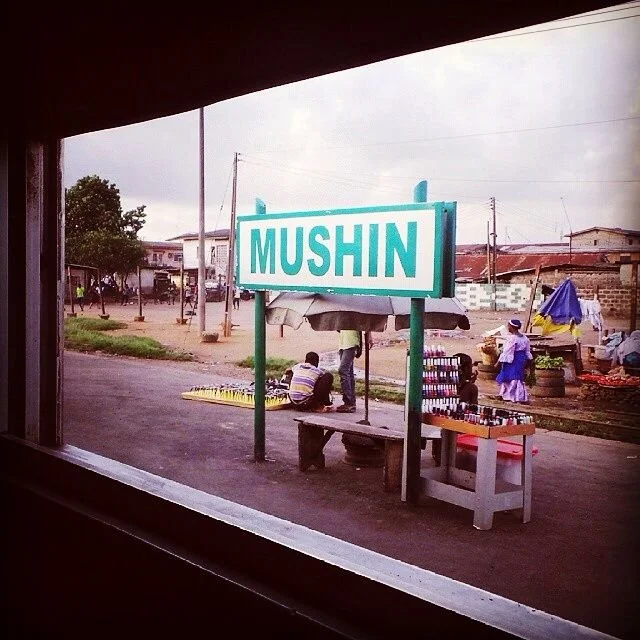
The Unstoppable Pulse of the Mainland
What if you could live in a neighbourhood where you’re 10 minutes from the International Airport, 10 minutes from the creative energy of Yaba, and 10 minutes from the administrative heart of Ikeja? For decades, Mushin was the place people "passed through." In 2026, with the full integration of the Lagos Red Line Rail, Mushin has become the strategic anchor of the Mainland. It’s loud, it’s proud, and for the savvy investor, it’s a goldmine of undervalued residential pockets hidden behind a bustling commercial facade.
Area Snapshot
• Location: Central Lagos Mainland; bordered by Surulere, Oshodi, Isolo, and Ikeja.
• Key Landmarks: Mushin Market, Lagos State University Teaching Hospital (LASUTH/Idi-Araba), Matori Industrial Estate, Ladipo Market.
• Vibe: High-energy, commercial, and unapologetically Lagosian.
• 2026 Fact: The Mushin Train Station (Red Line) has transformed the area into a major transit-oriented development hub.
Overview & Identity: The City that Never Sleeps
Mushin is the ultimate "melting pot." It is a neighbourhood of contrasts: the industrial grit of Matori, the academic and medical precision of Idi-Araba, and the quiet, surprisingly upscale residential streets of Papa Ajao. Its identity is rooted in trade; if you can’t find it in Mushin, it probably doesn't exist in Lagos.
Housing & Real Estate: The 2026 "Gentrification" Report
In 2026, Mushin is seeing a wave of "Mainland Gentrification." Old "Face-me-I-face-you" buildings are being demolished to make way for modern 3-story blocks of flats catering to medical staff from LUTH and young workers in Ikeja.
Price Trends & Market Performance
Property values in Mushin have seen a 15% year-on-year increase in 2026. This is largely driven by "Transit-Induced Appreciation." Homes within a 1km radius of the Mushin Red Line station are now commanding a premium, as commuters realize they can reach Oyingbo or Ikeja in minutes.
Cost of Living Context
• Groceries: 40% cheaper than the Island. You are at the source of supply for textiles, auto parts, and wholesale food.
• Transport: Incredibly low. Mushin is a major transport node; you can find a direct bus or "Keke" to almost anywhere on the Mainland for a fraction of the cost elsewhere.
• Lifestyle: You save on "status fees." There are no ₦10,000 cocktails here, just authentic Lagos street food and neighbourhood bars that offer real value.
Transport & Accessibility: The Red Line Revolution
• The Rail: The Red Line Mushin Station is a game-changer, linking residents to Marina (via interchange) and Agbado.
• Roads: Major arteries like Agege Motor Road and Itire Road connect you directly to the Third Mainland Bridge or Apapa.
• Walking City: Mushin is one of the few areas where most daily needs are within walking distance, reducing the need for car ownership.
Lifestyle, Amenities, and Infrastructure
• Healthcare: Home to LUTH (Lagos University Teaching Hospital), making it the most medically secure neighbourhood on the Mainland.
• Trade: Ladipo Market (Auto parts) and Ojuwoye (Textiles) make this a global trade destination.
• Education: Proximity to LASUCOM (Lagos State University College of Medicine) brings a large student and faculty population.
Safety, Risks, and Planning Considerations
• Safety: Like any high-density area, Mushin has its "pockets." Stick to well-known residential zones like Papa Ajao, Ilamose, or Idi-Araba. The 2026 increase in street lighting and CCTV near the rail corridors has significantly improved night safety.
• Risks: Traffic congestion around the markets is legendary.
• Planning: If buying land, the title is king. Many properties in Mushin are "family land" with multiple claimants; strictly demand a C of O or a Registered Conveyance.
Who Is Mushin Best Suited For?
• Entrepreneurs: Those who want to live near their business in Ladipo or Matori.
• Medical Professionals: Doctors and nurses at LUTH who value a 5-minute commute.
• Smart Investors: People looking to build "Mini-flats" for the massive workforce and student population.
Frequently Asked Questions (FAQs)
Q: Is Papa Ajao really part of Mushin?
A: Yes, Papa Ajao is a ward within Mushin, but it functions like a separate, middle-class residential enclave with gated streets and private security.
Q: How has the Red Line Rail changed Mushin?
A: It has reduced commute times to Ikeja and Yaba to under 15 minutes, leading to a surge in rental demand from professionals who previously lived in more expensive suburbs.
Q: What is the best investment in Mushin for 2026?
A: Renovating older buildings into "Studio Apartments" for medical students and young corporate workers.