Lagos State: Complete Guide to Nigeria’s Economic Powerhouse (2026)
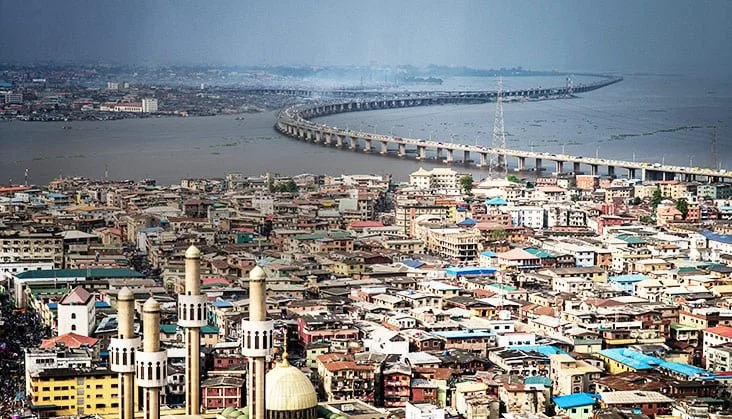
Lagos State may be the smallest state in Nigeria by landmass, but its economic heartbeat is the loudest on the continent. In 2026, Lagos continues to defy gravity, transitioning from a chaotic mega-city into a structured, tech-driven "Smart City."
1. The Economic Engine: By the Numbers
Lagos is the financial nerve center of West Africa. If Lagos were a country, its GDP would rank among the top ten in Africa.
2026 Budget: The state recently approved a record $N4.4 trillion "Budget of Shared Prosperity," with over 52% dedicated to capital expenditure.
GDP Contribution: Lagos accounts for over 26% of Nigeria’s total GDP and more than 50% of its non-oil industrial capacity.
Internally Generated Revenue (IGR): Lagos remains the only Nigerian state largely independent of federal oil allocations, projecting an IGR of $N3.12 trillion for the 2026 fiscal year.
2. Key Investment Sectors in 2026
The investment landscape in Lagos has matured, moving beyond traditional trade into high-tech and sustainable infrastructure.
The "Silicon Lagoon" (Tech & Startups)
Lagos is Africa's premier startup hub. With the expansion of the K.I.T.E. (Knowledge, Information, Technology, and Envisioning) project in Yaba, the state is attracting billions in VC funding for Fintech, EdTech, and HealthTech.
Real Estate & Infrastructure
The skyline is changing rapidly. Projects like Eko Atlantic City and the Lekki Free Trade Zone (home to the Dangote Refinery) have turned the Lekki corridor into a "New Lagos."
Pro Tip: Real estate in areas like Epe and Badagry is currently seeing 15–20% annual appreciation due to the expansion of the Blue and Red rail lines.
Manufacturing & Logistics
With the Lekki Deep Sea Port fully operational, Lagos has become the primary maritime gateway for the ECOWAS sub-region, handling over 70% of Nigeria's maritime trade.
3. Tourism and Culture: What to See in 2026
Lagos is the cultural capital of Africa, blending ancient Yoruba heritage with a futuristic nightlife.
The Àkéte Museum (New for 2026): Opened in late 2025, this is Lagos' newest landmark for modern and contemporary African art.
Lekki Conservation Centre: Home to the longest canopy walkway in Africa.
John Randle Centre for Yoruba Culture: An architectural masterpiece in Onikan that offers an immersive look into Yoruba philosophy.
The Nightlife: From the high-energy "Sunday Jump" at the New Afrika Shrine to the luxury beach clubs of Landmark and Ilase, the "Lagos Party" never stops.
4. Infrastructure & Logistics: Moving Around
The infamous "Lagos Traffic" is being tackled by the T.H.E.M.E.S+ Agenda.
Rail Mass Transit: The Blue Line (Marina to Mile 2) and Red Line (Agbado to Oyingbo) are now the preferred modes of transport for thousands of commuters daily.
Waterways: The state has significantly expanded its ferry services, making "Lagferry" a viable alternative for those moving between Ikorodu, Lagos Island, and Badagry.
Lagos State: 2026 Quick Facts
| Feature | Detail |
|---|---|
| Status | Commercial Capital of Nigeria |
| 2026 Budget | ₦4.4 Trillion |
| Major Ports | Apapa, Tin Can Island, Lekki Deep Sea Port |
| Top Industries | Fintech, Manufacturing, Nollywood, Real Estate |
| New Landmark | Àkéte Museum of Modern Art |
| Transport Hub | Murtala Muhammed International Airport (MMIA) |
6.FAQ
Is Lagos safe for tourists in 2026? Yes, especially in the major hubs like Victoria Island, Ikoyi, and Lekki. It is recommended to use ride-hailing apps like Uber or Bolt and hire registered tour guides for areas like Makoko or Badagry.
What is the best time to visit Lagos? The "Detty December" period (late December to early January) is world-famous for concerts and festivals, though the weather is humid. For business, any time outside the peak rainy season (June–July) is ideal.