Victoria Island Neighbourhood Guide: What It’s Really Like to Live There
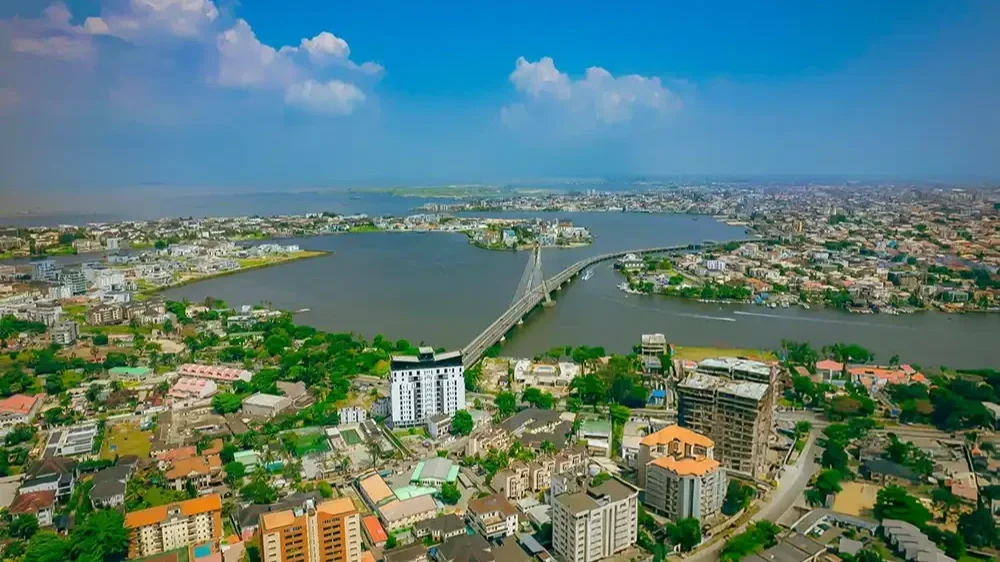
Victoria Island is located within the Eti-Osa Local Government Area
Victoria Island is not just a neighbourhood, it’s a statement. For decades, VI has represented the commercial heartbeat of Lagos Island, a place where business, lifestyle, and real estate collide at full speed. It is where corporate headquarters sit beside luxury apartments, where traffic hums with ambition, and where Lagos feels unapologetically global.
People don’t usually stumble into Victoria Island. They move here intentionally for work, for status, for access, or for the kind of convenience that only comes from being at the center of everything. This guide breaks down what living, renting, and investing in Victoria Island actually looks like today, beyond the reputation.
Area Snapshot: Where Victoria Island Sits in Lagos
Victoria Island is located within the Eti-Osa Local Government Area and sits between Ikoyi and Lekki Phase 1. Surrounded by water on multiple sides, VI occupies one of the most strategic pieces of real estate in Lagos State.
Key facts at a glance:
Local Government: Eti-Osa
Axis: Lagos Island
Adjacent neighbourhoods: Ikoyi, Lekki Phase 1, Oniru
Distance to Ikoyi: 5–10 minutes (off-peak)
Role: Commercial, residential, and lifestyle hub
Its location alone explains its price point. Victoria Island offers unmatched proximity to major financial institutions, multinational offices, embassies, and high-end leisure spaces.
Overview & Identity of the Neighbourhood
Victoria Island is fast, dense, and purposeful. Unlike purely residential districts, VI blends corporate Lagos with upscale living, creating a neighbourhood that never truly slows down. During weekdays, it functions like a central business district. At night and on weekends, it transforms into a social and lifestyle destination.
What defines VI today is its dual identity:
A commercial powerhouse, home to banks, tech companies, oil firms, and consultancies
A high-density residential zone, catering to professionals who value proximity over space
This mix makes Victoria Island desirable and demanding. Living here means convenience and energy, but also noise, traffic, and premium pricing.
Housing & Real Estate Overview
Housing in Victoria Island is driven by vertical development and land scarcity. Most properties are apartments, with limited standalone houses remaining.
Common housing types include:
One- and two-bedroom apartments in high-rise buildings
Luxury serviced apartments
Penthouses and waterfront apartments
Office-to-residential converted properties
Typical rent ranges (approximate):
1-bedroom apartment: ₦3.5m – ₦6m
2-bedroom apartment: ₦6m – ₦10m
3-bedroom apartment: ₦9m – ₦18m+
Serviced apartments: significantly higher depending on services
Sale prices are among the highest on Lagos Island, driven by limited land, high demand, and strong corporate tenancy.
Price Trends & Market Performance
Victoria Island’s property market is mature, not speculative. Prices don’t spike suddenly, but they also rarely fall significantly. Demand is anchored by corporate leases, expatriates, short-let operators, and professionals who need to live close to work.
Key market characteristics:
Consistently low vacancy rates
Strong short-let and serviced apartment demand
Resilience during market downturns
While yields may appear lower compared to emerging areas, stability and tenant quality are major advantages for investors.
Cost of Living Context (Compared to Lagos Average)
Living in Victoria Island is expensive, by Lagos standards and beyond. Rent is the largest cost, followed by utilities, service charges, and lifestyle spending.
However, many residents justify the cost through time savings. Shorter commutes, proximity to offices, and access to premium services reduce daily friction, which is a major value driver for professionals.
Transport & Accessibility
Victoria Island is highly connected but heavily congested. Major roads like Ahmadu Bello Way and Ozumba Mbadiwe serve as primary arteries linking VI to Ikoyi and Lekki.
Most residents rely on:
Private vehicles
Ride-hailing services
Corporate shuttles
Commute times vary dramatically depending on the hour. Living within walking distance of work is a key reason many choose VI despite the cost.
Lifestyle, Amenities & Infrastructure
This is where Victoria Island truly stands out. Few neighbourhoods in Lagos offer the same concentration of lifestyle amenities.
Residents enjoy access to:
High-end restaurants and lounges
Shopping malls and boutiques
Gyms, spas, and wellness centers
Beaches, clubs, and cultural spaces
International schools and hospitals nearby
VI is social, visible, and active. If you value convenience, networking, and nightlife, it delivers consistently.
Safety, Risks & Planning Considerations
Victoria Island is generally well-policed, especially in commercial zones and gated developments. However, like most high-density districts, safety varies by street and building management.
Key considerations include:
Flood risk in low-lying areas during heavy rains
Noise pollution from traffic and nightlife
Building quality and maintenance standards
Due diligence on drainage, power backup, and security infrastructure is essential before renting or buying.
Who Victoria Island Is Best Suited For
Victoria Island is not for everyone, and that’s okay.
Professionals: Ideal for those working in finance, tech, consulting, or oil & gas
Investors: Best for stable, premium rental income and short-let strategies
Families: Less ideal unless in well-managed buildings with amenities
Students: Generally unsuitable due to cost and pace
VI suits people who prioritize proximity, convenience, and prestige over space.
Frequently Asked Questions
Is Victoria Island a good place to live in Lagos?
Yes, especially for professionals who want to live close to work and enjoy an active urban lifestyle.
Why is rent expensive in Victoria Island?
High demand, limited land, corporate tenancy, and premium location drive prices upward.
Is Victoria Island good for real estate investment?
Yes. It offers stable demand, strong tenant profiles, and resilience during market downturns.
Is Victoria Island flood-prone?
Some areas are vulnerable during heavy rainfall, but many buildings have mitigation systems.