Ajah Lagos Area Guide: Living, Rent Prices & Real Estate Investment
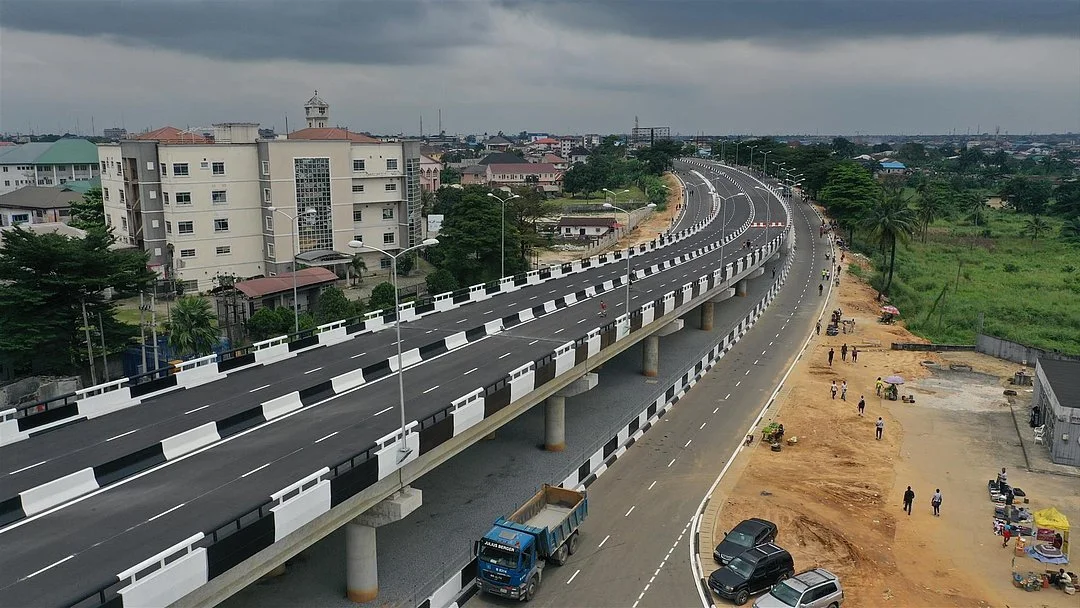
Living in Ajah is generally more affordable than central Lagos Island neighbourhoods
Ajah is one of those Lagos neighbourhoods people rarely plan to move to at first, until they do. For many residents, Ajah becomes the compromise that turns into a long-term decision: close enough to the Island’s economic energy, far enough to breathe, and still evolving in ways that quietly reward early movers. Over the last decade, Ajah has transformed from a fringe coastal settlement into one of Lagos’ most searched residential corridors, driven by infrastructure growth, expanding estates, and steady population inflow.
This guide breaks Ajah down beyond the clichés. Not just “Lekki Phase 2 adjacent,” but what living, renting, and investing in Ajah actually looks like today.
Area Snapshot: Where Ajah Sits in Lagos
Ajah is located on the Lekki–Epe axis of Lagos State, serving as a major gateway between central Lekki neighbourhoods and the rapidly expanding eastern corridor. It sits just after Sangotedo and before Awoyaya, making it both a residential hub and a transit zone.
Key facts at a glance:
Local Government: Eti-Osa
Axis: Lekki–Epe Expressway
Nearby areas: Sangotedo, Abraham Adesanya, Badore, Awoyaya, VGC
Distance to Victoria Island (off-peak): approx. 35–45 minutes
Ajah’s geography explains much of its appeal. It’s close enough to Island job centres to remain practical, yet far enough to offer larger living spaces and relatively quieter streets.
Overview & Identity of Ajah
Ajah doesn’t have a single personality, and that’s part of its strength. It is a blend of older indigenous communities, fast-growing estate developments, commercial strips, and residential pockets tucked just far enough from the expressway to feel private.
Unlike tightly planned districts such as Ikoyi or Victoria Island, Ajah feels organic. You’ll find long-established family homes sitting next to newly gated estates, roadside markets coexisting with modern supermarkets, and churches, mosques, schools, and businesses woven into everyday life.
It attracts people who value space, flexibility, and long-term upside more than polish.
Housing & Real Estate Overview
Housing in Ajah is defined by variety. The area offers a wider range of housing typologies than many Lagos Island neighbourhoods, making it accessible to different income levels.
Common property types include:
Mini flats and one-bedroom apartments in low-rise buildings
Two- and three-bedroom flats in gated estates
Terraced duplexes and semi-detached houses
Standalone houses in older residential pockets
Typical rent ranges (approximate):
Mini flat: ₦600,000 – ₦1.2m
2-bedroom flat: ₦1.2m – ₦2.5m
3-bedroom flat: ₦2m – ₦4m
Terraced duplexes: ₦3.5m – ₦6m+
Sale prices vary widely depending on proximity to the expressway, estate security, and flood history, but Ajah remains significantly more affordable than Lekki Phase 1 or Ikoyi for similar unit sizes.
Price Trends & Market Performance
Ajah’s real estate growth has been steady rather than explosive, which is exactly why investors pay attention. Over the past few years, price appreciation has been driven less by speculation and more by actual demand from renters pushed outward by rising costs in central Lekki.
Rental demand remains strong, particularly for:
Two-bedroom flats in secure estates
Family-sized units near schools
Properties with reliable access roads
Land scarcity closer to the expressway and increasing development restrictions are gradually tightening supply, creating long-term upward pressure on prices.
Cost of Living in Ajah (Compared to Lagos Average)
Living in Ajah is generally more affordable than central Lagos Island neighbourhoods, but slightly higher than mainland districts like Yaba or Surulere when transport is factored in.
Daily expenses such as food, utilities, and local services remain moderate, especially if you shop within neighbourhood markets rather than high-end malls. The biggest cost consideration for many residents is transport, both in time and fuel, rather than rent alone.
For families, Ajah often offers better value because larger homes are attainable without completely leaving the Island axis.
Transport & Accessibility
Ajah’s biggest advantage and challenge is the Lekki–Epe Expressway. It connects residents to Lekki Phase 1, Victoria Island, and Ikoyi, but congestion during peak hours can significantly affect commute times.
Most residents rely on:
Private cars
Ride-hailing services
Commercial buses along the expressway
Traffic improves late evenings, weekends, and off-peak mornings. Proximity to alternative inner roads and estate access routes plays a major role in quality of life.
Lifestyle, Amenities & Infrastructure
Ajah offers a practical, lived-in lifestyle rather than a luxury-forward one. Residents enjoy access to essential services without the premium pricing of central Island districts.
You’ll find:
Shopping malls and supermarkets are within short driving distances
Numerous schools (private and government)
Hospitals and clinics across the axis
Beaches, gyms, and recreational spots nearby
While nightlife is quieter than Lekki Phase 1, Ajah appeals to people who prioritize home comfort over social scenes.
Safety, Risks & Planning Considerations
Safety in Ajah varies by micro-location. Gated estates and well-managed streets tend to be significantly safer than roadside or high-traffic areas.
Key considerations before moving or investing:
Flood history of specific streets
Drainage quality
Road accessibility during rainy season
Estate management and security structure
Ajah rewards due diligence. Two streets can feel like different neighbourhoods entirely.
Who is Ajah Is Best Suited For
Ajah works best for people seeking balance rather than extremes.
Families: Space, schools, and quieter residential pockets make Ajah appealing for raising children.
Professionals: Suitable for Island workers willing to trade commute time for better housing value.
Investors: Strong rental demand and gradual appreciation favor long-term holds.
Students: Less ideal unless studying along the Lekki–Epe axis.
Frequently Asked Questions
Is Ajah a good place to live in Lagos?
Ajah is a good place to live for people who want more space, relative affordability, and access to the Island without paying premium central prices.
Is Ajah flood-prone?
Some parts of Ajah experience flooding, especially low-lying streets. However, many estates are well-drained and flood-resistant.
How far is Ajah from Victoria Island?
Travel time ranges from 35 minutes off-peak to over 2 hours during heavy traffic.
Is Ajah good for real estate investment?
Yes. Ajah offers stable rental demand and long-term appreciation driven by population growth and infrastructure expansion.