Is Nigeria Poor or Rich? The Complex Reality of Poverty in Nigeria (2026)
Last Updated: June 3, 2026
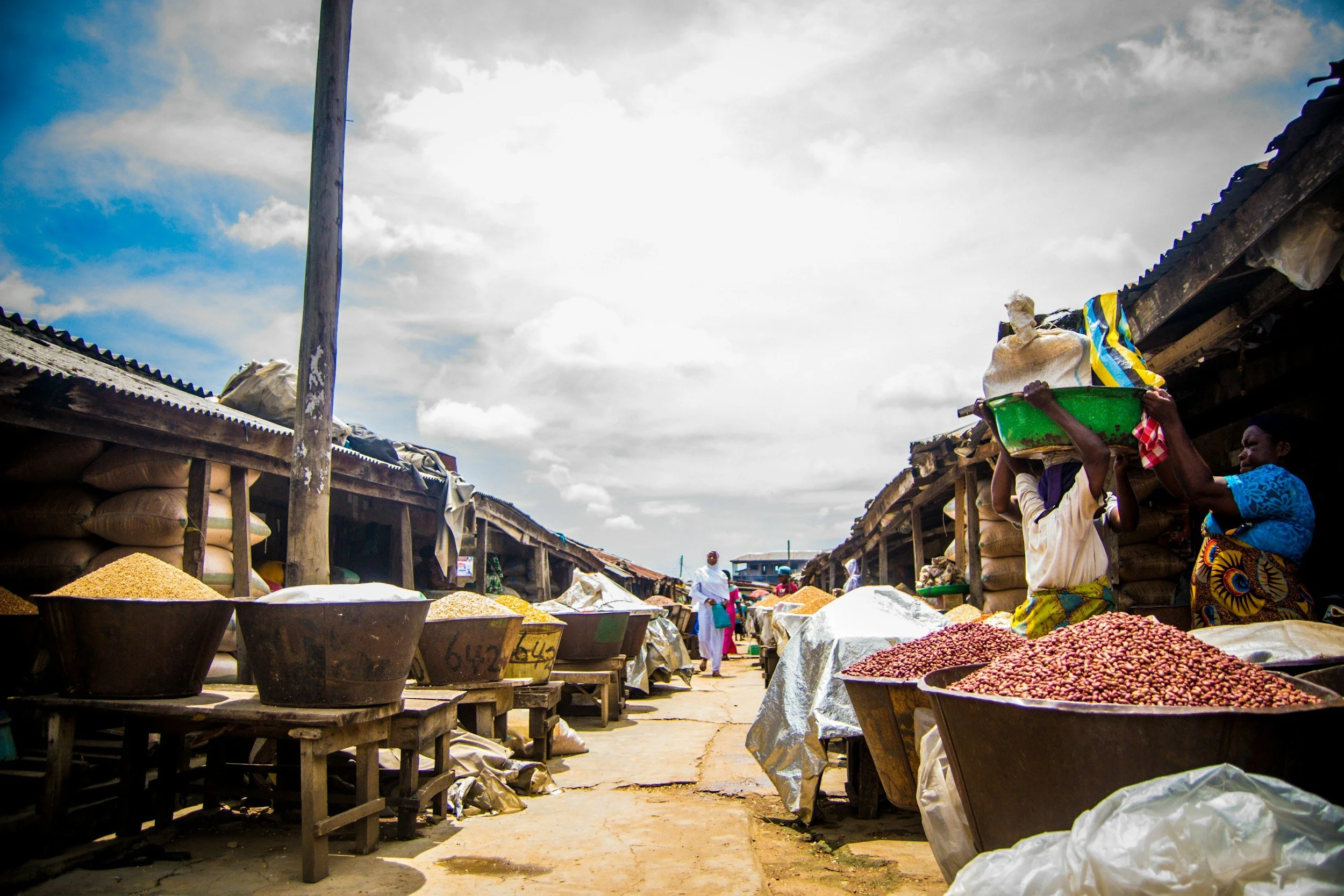
When people ask, "is Nigeria a poor country?" or "how rich is Nigeria?" the answer is rarely a simple "yes" or "no." Nigeria is a land of extreme paradoxes. It is often called the "Giant of Africa," yet it also grapples with one of the highest concentrations of poor people in Nigeria globally.
To understand the poverty in Nigeria today, we must look at the data from 2026, which paints a picture of a nation that is both a wealthy powerhouse and a struggling economy.
Is Nigeria a Wealthy Country? The Macro View
By many metrics, Nigeria is a rich country. It possesses the largest economy in Africa by GDP (Gross Domestic Product) and ranks as the 19th largest in the world when measured by Purchasing Power Parity (PPP).
Natural Resources: Nigeria has the continent's largest oil and gas reserves.
Economic Output: The nominal GDP remains high, driven by telecommunications, services, and a recovering oil sector.
Human Capital: With over 230 million people, Nigeria has a massive, young, and entrepreneurial workforce.
However, the question "is Nigeria a wealthy country?" depends on whether you look at the total "pie" or how that pie is shared. While the nation’s wealth is significant, it is concentrated in the hands of a small elite, leaving a massive gap between the wealthy and the poor people in Nigeria.
The 2026 Nigeria Poverty Rate: A Growing Crisis
Despite its vast resources, the Nigeria poverty rate has seen a troubling upward trend. According to recent 2026 reports from the World Bank and PwC, the percentage of poverty in Nigeria is projected to hit 62% this year.
This means approximately 141 million Nigerians are living below the poverty line.
Key Nigeria Poverty Statistics (2026)
| Metric | Current Statistic (2026) |
|---|---|
| Total Population | ~237 Million |
| Estimated Poverty Rate | 62% |
| Number of Poor People | 141 Million |
| Urban vs. Rural Poverty | 42% (Urban) vs. 75.5% (Rural) |
| Extreme Poverty Line | $2.15 per day |
Is Nigeria Poor or Rich? The Per Capita Paradox
The reason people struggle to decide if Nigeria is poor or rich is the difference between "Total GDP" and "GDP per Capita."
While how rich is Nigeria looks impressive on a global stage ($280+ billion nominal GDP), the GDP per capita is only about $1,200. This places Nigeria around 173rd in the world for individual wealth. When you spread the country’s wealth across its massive population, the average citizen has very little.
Therefore, while the nation is "wealthy," the average person is economically vulnerable.
Why is Nigeria a Poor Country for So Many?
The persistence of poverty in Nigeria is not due to a lack of money, but rather structural issues. Several factors contribute to why so many remain among the poor people in Nigeria:
Inflation and Living Costs: High food inflation (reaching 40% in recent years) means that even those with jobs struggle to afford basic nutrition.
Infrastructure Deficits: A lack of consistent electricity and poor transport links makes it expensive for small businesses to survive.
Regional Inequality: Poverty is not spread evenly. While southern states like Lagos are relatively prosperous, northern regions see poverty rates as high as 80-90%.
Governance and Corruption: Much of the wealth generated from oil has historically been lost to corruption rather than being invested in social safety nets.
Conclusion: The Future of Poverty in Nigeria
Is Nigeria poor? Structurally, the country is rich, but the lived reality for the majority of its citizens is one of hardship. The poverty in Nigeria statistics for 2026 serve as a wake-up call. For Nigeria to truly become a "wealthy country" for all its citizens, it must bridge the gap between its massive economic potential and the daily struggles of the 141 million people living in poverty.
Until the Nigeria poverty rate begins to decline through sustained job creation and lower inflation, the question "is Nigeria poor or rich?" will continue to have two very different answers.