10 Most Developed Cities in Nigeria: The Ultimate Infrastructure & Living Guide
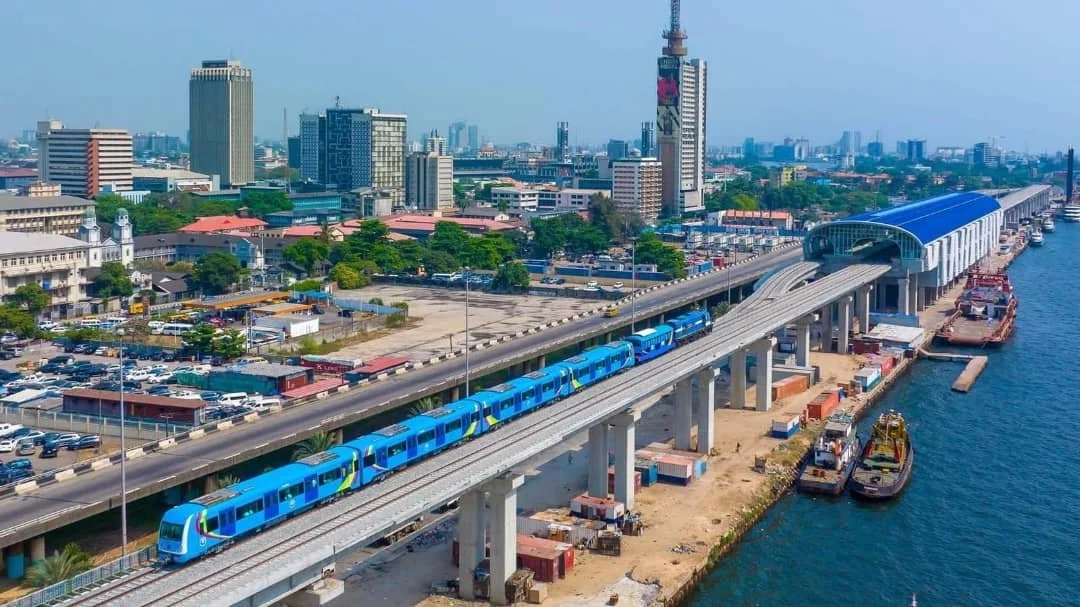
Nigeria, often referred to as the Giant of Africa, boasts one of the fastest-growing urban landscapes on the continent. As economic landscapes shift, several urban hubs have transformed into highly developed environments featuring modern infrastructure, booming tech ecosystems, and premium real estate opportunities.
If you are looking to relocate, invest in real estate, or set up a business, understanding which urban centers offer the best amenities is crucial. Based on recent infrastructure assessments, human development indices (HDI), and economic data, here are the 10 most developed cities in Nigeria.
1. Abuja (Federal Capital Territory)
As the nation’s capital, Abuja is the gold standard for urban planning in Nigeria. Built primarily in the 1980s as a planned city, it features an orderly road network, premium security, and striking architectural landmarks like the National Assembly and Aso Rock. Districts like Maitama, Asokoro, and Wuse host international embassies and high-end residential estates, positioning Abuja as a premier hub for luxury living and diplomacy.
2. Lagos City (Lagos State)
Lagos is the economic engine of West Africa and a global megacity. Splitting cleanly between the Mainland and the Island, it is home to Nigeria’s tech boom (Yaba), upscale financial centers (Victoria Island, Ikoyi), and major infrastructure developments like the Lekki Free Trade Zone and the Dangote Refinery. Lagos leads the nation in industrial output, entertainment, and startup ecosystem growth.
3. Port Harcourt (Rivers State)
Famously known as the "Garden City," Port Harcourt is the capital of Nigeria’s oil and gas sector. The city combines massive multinational presence with rapid commercial development. High-brow areas such as New GRA and Trans Amadi host corporate headquarters, luxury housing, and dynamic nightlife, supported by robust state-funded infrastructure projects.
4. Ibadan (Oyo State)
Ibadan successfully bridges the gap between historical heritage and rapid modernization. Known as Nigeria’s largest city by landmass, its growth has been supercharged by its proximity to Lagos and the seamless connectivity of the Lagos-Ibadan railway. Districts like Akobo and Ring Road are booming with new shopping malls, residential estates, and a surging startup scene.
5. Uyo (Akwa Ibom State)
Uyo stands out as one of Nigeria’s cleanest, greenest, and most meticulously organized cities. Driven by sustained state investments in public works, Uyo features pristine structural networks, automated street lighting, and the iconic Godswill Akpabio International Stadium. It has rapidly become a preferred choice for tech professionals and families seeking a serene lifestyle.
6. Enugu City (Enugu State)
The historical capital of the old Eastern Region, Enugu (the "Coal City"), remains a shining example of peaceful urban living. It ranks high for safety, low cost of living, and an emerging tech footprint. Neighborhoods like Independence Layout and New GRA feature lush green spaces alongside modern commercial real estate developments.
7. Kano City (Kano State)
Kano is the commercial nerve center of Northern Nigeria, boasting a rich trading history spanning over a millennium. Today, it balances ancient cultural heritage with industrial expansion. As a massive logistics and agricultural trade nexus, it features sprawling flyovers and expansive marketplaces that power the northern economy.
8. Asaba (Delta State)
Situated beautifully along the banks of the Niger River, Asaba has grown exponentially over the last decade. Its strategic location right next to the massive commercial market of Onitsha makes it an ideal, safe residential and administrative alternative. The city features a rapidly upgrading international airport and a booming hospitality industry.
9. Benin City (Edo State)
Benin City perfectly blends historical legacy with modern real estate and technological advancements. The city has experienced an aggressive infrastructure facelift, marked by massive road expansions, drainage overhauls, and the growth of creative and digital hubs that empower its young demographic.
10. Aba (Abia State)
Aba is widely celebrated as the "Japan of Africa" due to its unrivaled entrepreneurial and manufacturing spirit. As the industrial backbone of the Southeast, it is a massive manufacturing hub for textiles, leather works, and footwear. Recent infrastructural interventions in road networks are systematically restoring its status as a premium economic destination.
| Rank | City | Primary Economic Driver | Standout Feature |
|---|---|---|---|
| 1 | Abuja | Government, Diplomacy | World-class Urban Planning |
| 2 | Lagos | Tech, Finance, Trade | Mega Port & Industrial Hub |
| 3 | Port Harcourt | Oil and Gas | Corporate Headquarters |
| 4 | Ibadan | Real Estate, Logistics | Largest Landmass & Rail Links |
| 5 | Uyo | Infrastructure, Public Works | Cleanliness & Good Roads |
| 6 | Enugu | Tech, Tourism, Education | High Safety & Serene Environment |
| 7 | Kano | Commerce, Agriculture | Massive Northern Trade Nexus |
| 8 | Asaba | Hospitality, Government | Proximity to Onitsha Market |
| 9 | Benin City | Real Estate, Creative Arts | Cultural & Urban Renewal |
| 10 | Aba | Manufacturing, MSMEs | Indigenous Industrial Hub |
Conclusion
Nigeria’s urban landscape is evolving at a breakneck pace, driven by a mix of state-led infrastructure projects, private real estate investments, and a resilient entrepreneurial spirit. While Abuja stands unmatched in systematic urban planning and Lagos reigns supreme as the economic powerhouse, emerging cities like Uyo, Enugu, and Asaba prove that development is rapidly decentralizing across the country.
Whether you are looking for a high-octane business environment, a serene and secure destination to raise a family, or an undervalued real estate market ripe for investment, Nigeria's top urban hubs offer unique advantages tailored to different lifestyles and corporate goals.