Lagos Port: The 2026 Guide to Nigeria’s Maritime Gateways
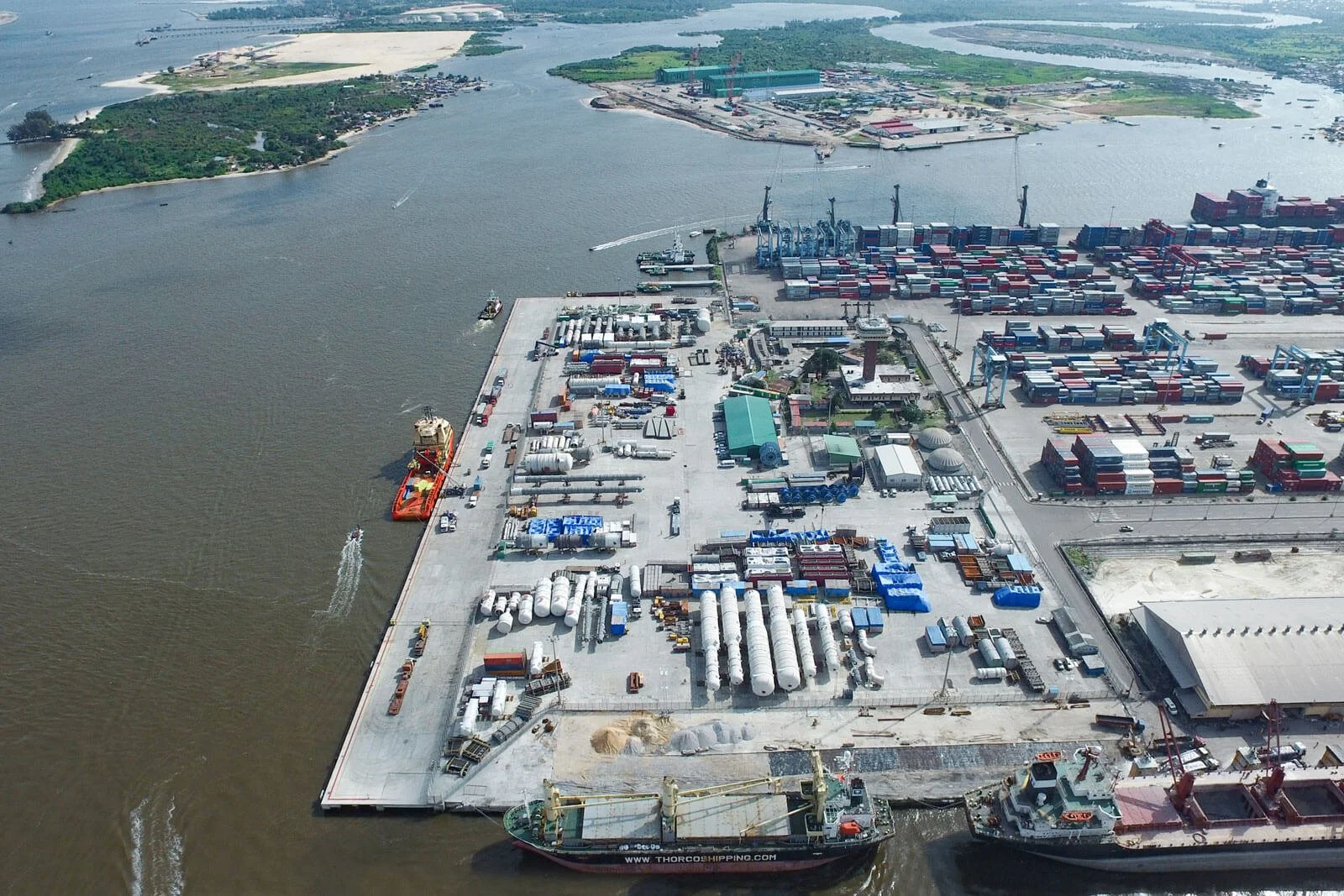
The Lagos Port system is the heartbeat of West African trade. In 2026, the landscape has been redefined by the $1 Billion Port Rehabilitation Project and the full-scale operational success of the Lekki Deep Sea Port. Whether you are an importer, a logistics professional, or a researcher, understanding the current "Triple-Port" dynamic is essential.
The Three Pillars of Lagos Maritime Trade
Lagos no longer relies on just the "Old Ports." Today, the system is split into three distinct hubs:
1. Lagos Port Complex (Apapa Quays)
Commonly called "Premiere Port," Apapa remains the largest in Nigeria. In 2026, it serves as the primary terminus for Nigeria's modernized Standard Gauge Rail, allowing containers to move directly from the quayside to inland dry ports in Ibadan and Kano without hitting the infamous Lagos traffic.
2. Tin Can Island Port
Known for its high-speed Ro-Ro (Roll-on/Roll-off) operations, Tin Can is the destination for most vehicle imports. As of 2026, it has undergone a total wharf reconstruction to handle the newer, larger "Post-Panamax" vessels.
3. Lekki Deep Sea Port
The "Game Changer." Located in the Lagos Free Zone, Lekki is now the primary driver of Nigerian maritime growth, accounting for nearly 47% of total cargo handled in the region. It is Nigeria’s only fully automated port, capable of receiving the world's largest container ships.
Key Statistics & Port Features (2026)
| Feature | Apapa Port Complex | Tin Can Island Port | Lekki Deep Sea Port |
|---|---|---|---|
| Primary Cargo | Containers, Bulk, Rail-bound goods | Vehicles (Ro-Ro), General Cargo | Ultra-large Containers, Liquid Bulk |
| Automation | Semi-Automated | Semi-Automated | Fully Automated |
| Draft Depth | 12.5 Meters | 13.5 Meters | 16.5 Meters (Targeting 19m) |
| Annual Capacity | 1 Million+ TEUs | 650,000 TEUs | 2.7 Million TEUs |
*Data updated as of January 2026. TEU = Twenty-foot Equivalent Unit. Sources: Nigerian Ports Authority (NPA) 2026 Operational Reports.
What’s New in 2026? The $1B Modernization
Under the leadership of the Ministry of Marine and Blue Economy, the Nigerian Ports Authority (NPA) launched a wholesale reconstruction of the Lagos ports.
Port Community System (PCS): Launched in early 2026, this digital "single window" has reduced customs clearance time from weeks to just 48–72 hours.
Green Shipping: Denmark’s $1.2 billion investment through APM Terminals has begun the transition toward electrified container handling, making Lagos Port one of the greenest in Africa.
Haulage Cost Drop: Improved rail and water-barge integration has led to a 65% drop in haulage costs compared to the 2022 peak.
Lagos Port FAQ
Which port is better for car imports in Lagos? Tin Can Island Port is the specialized hub for vehicles. It features the most efficient Ro-Ro terminals and specialized customs units for car clearing.
How deep is the Lekki Deep Sea Port? Lekki Port has a draft of 16.5 meters, which is significantly deeper than Apapa (12.5m). This allows it to host massive "Mega-vessels" that previously had to bypass Nigeria for Togo or Ghana.
Who manages the Lagos Ports? The Nigerian Ports Authority (NPA) acts as the landlord and regulator, while terminals are operated by private global giants like APM Terminals, TICT, and Lekki Port LFTZ Enterprise.
Pro Tip: The "Single Window" Era
In 2026, you can track your cargo in real-time through the NPA Port Community System (PCS). Ensure your clearing agent is registered on the portal to avoid manual processing delays.