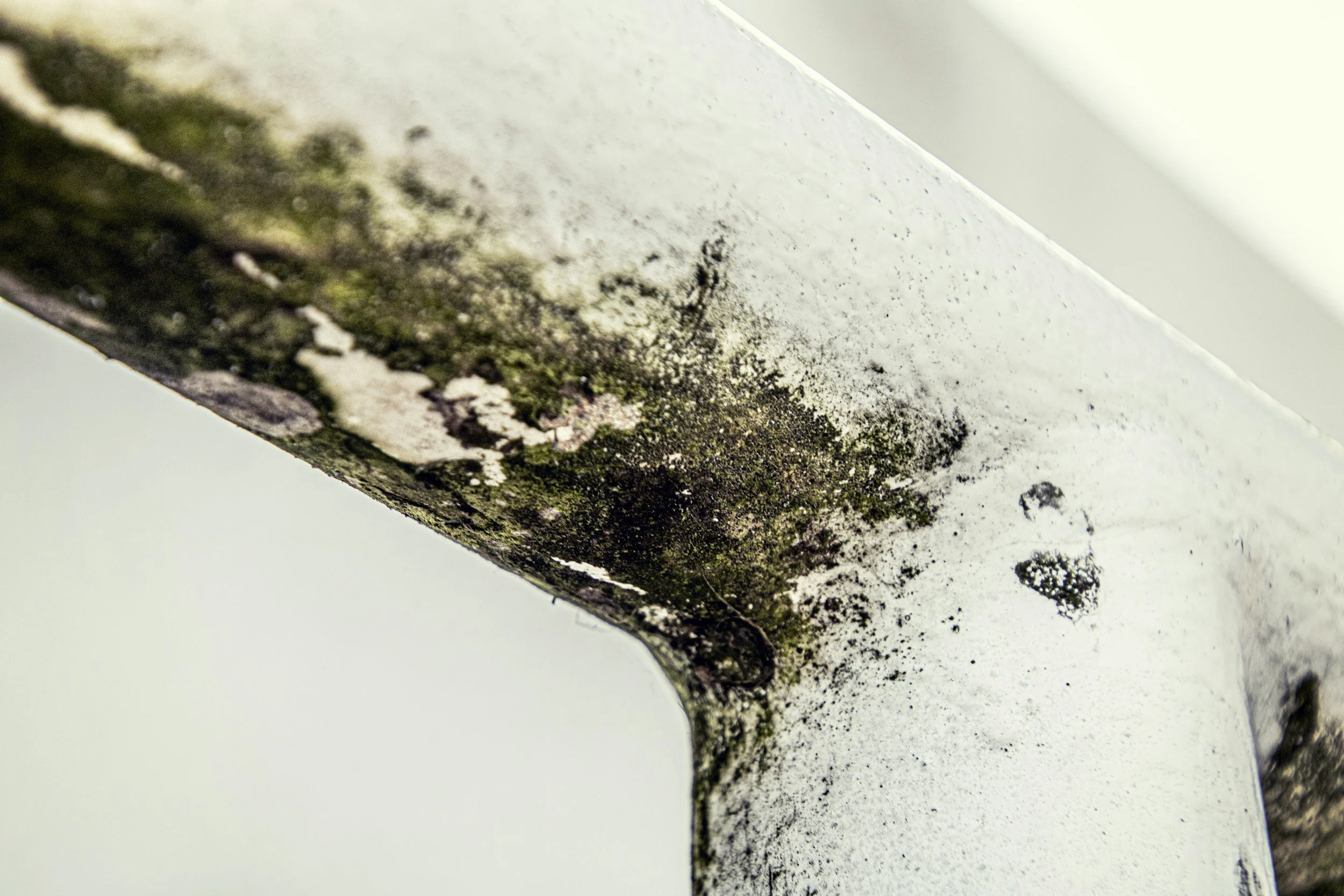
If you have noticed dark spots on your ceiling or a musty smell in your bedroom, you are likely dealing with house mold. In Nigeria’s tropical climate—especially in coastal cities like Lagos, Port Harcourt, and Warri—mold is a common but dangerous tenant.
Left unchecked, mold doesn't just ruin your "P.O.P" ceilings and expensive paint; it poses serious health risks, including asthma triggers and skin irritations. This guide covers how to identify, treat, and stop mold from returning to your home.
Identifying Different Types of Mold
| Mold Type | Common Location | Appearance | Risk Level |
|---|---|---|---|
| Aureobasidium | Behind wallpaper or painted walls | Pink, brown, or black | Moderate |
| Cladosporium | Carpets, floorboards, cupboards | Green or suede-like | High (Allergies) |
| Stachybotrys | Constant damp areas (leaking pipes) | Slimy, dark black | TOXIC |
| Aspergillus | Kitchen walls and AC vents | White or grayish dust | High (Respiratory) |
Note: Identifying mold by sight is not 100% accurate. For severe infestations, consult a Nigerian environmental specialist.
Why is Mold So Common in Nigerian Homes?
Mold thrives in moisture. In Nigeria, the three primary culprits are:
High Humidity: Average humidity in the South often exceeds 80%, creating a breeding ground for spores.
Rising Damp: Water from the ground soaking up into sand-crete blocks due to poor DPC (Damp Proof Course) installation.
Poor Ventilation: Many modern Nigerian apartments are built with small windows that don't allow cross-ventilation, trapping heat and moisture inside.
DIY: How to Remove Mold From Walls and Ceilings
Note: If the mold covers more than 3 square meters, call a professional remediation service.
Step 1: Safety First
Wear a face mask (N95), rubber gloves, and eye goggles. Mold spores become airborne when disturbed.
Step 2: The Cleaning Solution
Forget expensive chemicals. You likely have these in your kitchen:
Option A (Bleach): Mix 1 part JIK or Hypo with 3 parts water. Best for non-porous surfaces like tiles.
Option B (Vinegar): Use undiluted white vinegar. It is more effective at killing mold "roots" in porous concrete blocks.
Option C (Baking Soda): Mix with water to create a paste for scrubbing stubborn stains.
Step 3: Scrub and Dry
Scrub the affected area with a stiff brush. Once clean, wipe with a dry rag. Crucial: Use a standing fan or AC in "Dry" mode to ensure the wall dries completely.
2026 Prevention Strategies for Nigerian Homeowners
The secret to a mold-free home in 2026 is Moisture Management.
Anti-Fungal Paints: When repainting, use premium anti-fungal paints. Brands like Berger or Dulux now offer specialized coats that prevent spore attachment.
Dehumidifiers: If you live in a high-humidity area, investing in a portable dehumidifier is more effective than an AC at removing water from the air.
Fix Leaks Immediately: A small leak in your plumbing or a "soaking" wall from your neighbor's flat will cause mold in 48 hours.
Furniture Spacing: Never push your wardrobe or bed directly against an external wall. Leave a 2-inch gap to allow air to circulate.
House Mold FAQ
Does bleach kill black mold on Nigerian cement walls? Bleach kills surface mold, but it often doesn't penetrate porous cement blocks. For deep-rooted mold in concrete, white vinegar or specialized anti-mold sprays are more effective.
Can mold in my AC make me sick? Yes. Mold in AC vents spreads spores throughout the room. If your AC smells musty when turned on, it needs a professional deep clean immediately.
Is black mold toxic? Some black mold (Stachybotrys chartarum) produces mycotoxins that can cause chronic respiratory issues. It should always be treated as a health priority.
Safety Warning: Toxic Black Mold
If you see slimy, dark-black mold in areas with constant water leaks, do not scrub it dry. Wetting the area first prevents toxic spores from entering the air you breathe.