Housing in Nigeria and Africa: Challenges, Opportunities & Real Estate Growth
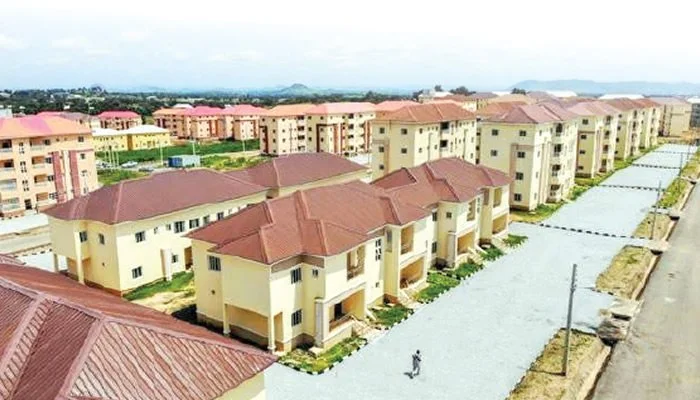
Housing remains one of the most important aspects of economic and social development in Nigeria and across Africa. As populations continue to grow rapidly, the demand for affordable, safe, and sustainable housing has increased significantly in both urban and rural areas.
Many African countries are experiencing rapid urbanization, leading to increased pressure on housing infrastructure, transportation systems, and public services. Nigeria, as Africa’s most populous country, faces major housing challenges while also presenting huge opportunities for real estate investment and urban development.
The housing sector contributes greatly to employment, infrastructure growth, economic activities, and improved living standards.
The State of Housing in Nigeria
Nigeria has one of the largest housing markets in Africa due to its growing population and expanding cities. Major cities such as Lagos, Abuja, Port Harcourt, Kano, and Ibadan continue to experience increasing demand for residential and commercial properties.
However, the country also faces a significant housing deficit. Many people struggle to access affordable housing because of rising construction costs, land ownership issues, inflation, and limited mortgage financing options.
Despite these challenges, Nigeria’s real estate sector continues to grow, attracting developers, investors, and government attention.
Housing Challenges in Africa
Several African countries face similar housing-related challenges. Rapid population growth and urban migration have increased pressure on housing availability and infrastructure development.
Common housing challenges across Africa include:
High construction costs
Limited access to mortgage financing
Poor urban planning
Inadequate infrastructure
Informal settlements and slums
Land ownership disputes
Rising cost of building materials
These challenges affect millions of people and contribute to overcrowding in many cities.
Affordable Housing Initiatives
Governments and private organizations across Nigeria and Africa are increasingly investing in affordable housing projects to reduce housing shortages.
Affordable housing initiatives focus on:
Low-cost housing projects
Public-private partnerships
Mortgage support programs
Smart city developments
Sustainable building technologies
Improved urban planning
These projects aim to provide better living conditions and increase access to decent housing for low- and middle-income earners.
Real Estate Growth in Nigeria and Africa
The real estate sector has become one of the fastest-growing industries in many African countries. Nigeria, Kenya, South Africa, Ghana, and Rwanda are among the countries experiencing significant real estate expansion.
Growth in the sector is driven by:
Population increase
Urbanization
Foreign investment
Commercial development
Infrastructure expansion
Technology-driven property services
Real estate development continues to create employment opportunities and contribute to economic growth.
Urbanization and Smart Cities
Urbanization is reshaping housing development across Africa. More people are moving to cities in search of employment, education, and better living conditions.
As a result, governments and developers are investing in smart city projects and modern housing estates designed to improve urban living.
Examples of urban development trends include:
Gated communities
Mixed-use developments
Smart housing technology
Eco-friendly buildings
Improved transportation systems
Digital property management solutions
These developments are helping modernize the housing sector in different African countries.
Sustainable Housing Development
Sustainability is becoming increasingly important in housing development across Nigeria and Africa. Developers are now exploring environmentally friendly construction methods and energy-efficient housing solutions.
Sustainable housing may include:
Solar-powered homes
Energy-efficient designs
Recycling systems
Eco-friendly building materials
Water conservation systems
Sustainable development helps reduce environmental impact while improving long-term housing quality.
Opportunities in the Housing Sector
The housing sector in Nigeria and Africa presents several investment and development opportunities.
| Opportunity | Description |
|---|---|
| Affordable Housing Projects | Increasing demand for low-cost residential housing |
| Real Estate Investment | Growing property markets across African cities |
| Smart City Development | Expansion of modern urban housing infrastructure |
| Sustainable Construction | Increased interest in eco-friendly building solutions |
| Property Technology | Growth of digital real estate and property management platforms |
The Future of Housing in Nigeria and Africa
The future of housing in Nigeria and Africa will depend on innovation, government policies, infrastructure investment, and collaboration between public and private sectors.
Improving housing accessibility, transportation systems, financing options, and urban planning will play a major role in addressing housing shortages and improving living standards.
As African cities continue to grow, the demand for modern, affordable, and sustainable housing solutions is expected to increase significantly.
Conclusion
Housing remains a major issue and opportunity in Nigeria and across Africa. While challenges such as housing deficits, rising construction costs, and urban overcrowding continue to exist, the sector also presents strong opportunities for investment, innovation, and development.
Through better policies, sustainable construction practices, and increased investment in affordable housing, Nigeria and other African countries can improve living conditions and support long-term economic growth.
The housing sector will continue to play an important role in shaping the future of cities, communities, and development across the continent.