10 Fastest Growing Cities in Africa: The 2026 Urban Boom Guide
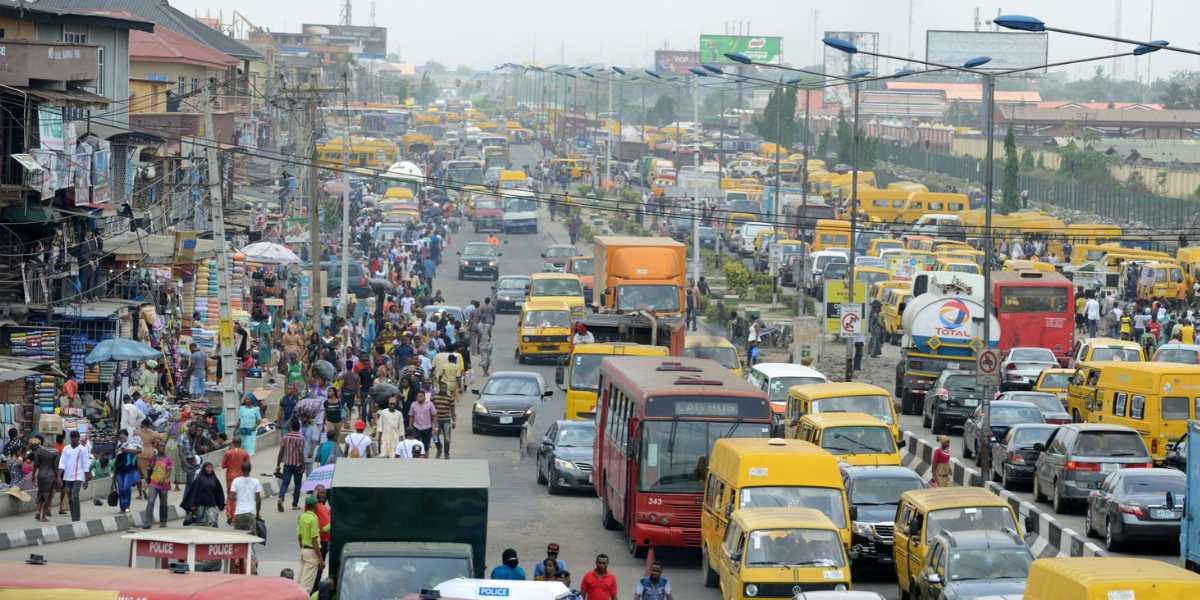
Africa is entering an unprecedented era of structural transformation. According to data highlighted by UN-Habitat and the African Development Bank (AfDB), over 50% of the African population now resides in urban areas. By 2050, the continent's urban population is projected to double, ballooning from roughly 700 million to over 1.4 billion residents.
This historic demographic shift represents the fastest localized rate of urbanization in human history. For real estate developers, infrastructure funds, and global enterprises, tracking the fastest growing cities in Africa is essential to unlocking long-term market opportunities.
Rather than focusing strictly on established commercial capitals, true growth is exploding across dynamic regional hubs and rapid-expansion secondary cities. Here are the 10 urban centers pacing Africa's monumental growth curve.
The Top 10 Rapid Expansion Urban Hubs
1. Cairo, Egypt (The Megacity Standard)
Cairo is expanding horizontally at a staggering rate. Driven by extensive state-backed mobilization, the traditional Nile-centered metro area is merging with newly constructed satellite cities.
The Growth Driver: Massive capital allocation into master-planned developments like the New Administrative Capital (NAC), designed to host millions of residents to relieve density pressure on central Cairo. Projections tip greater Cairo’s total urban agglomeration to reach a staggering 55 million people by mid-century.
2. Lagos, Nigeria (The Atlantic Growth Engine)
Lagos is already Africa’s most dominant economic playground, but its physical and population boundaries are continuing to surge outward at a clip of dozens of new residents every hour.
The Growth Driver: Absolute saturation in legacy districts like Ikeja and Victoria Island has forced explosive eastward real estate expansion along the Lekki-Epe corridor, transforming once-rural coastal environments into dense commercial hubs.
3. Kinshasa, Democratic Republic of Congo (The Demography Giant)
Kinshasa is currently experiencing an unrelenting population surge, quickly making it one of the most populous French-speaking urban areas on the globe.
The Growth Driver: Massive rural-to-urban migrations tracking economic opportunities. The city’s core challenge—and its biggest investment opportunity—lies in bridging severe infrastructure deficits in formal housing and centralized utility setups.
4. Nairobi, Kenya (The East African Anchor)
Nairobi's growth is expanding past its standard municipal borders, creating a vast continuous metropolitan network via nearby urban mergers.
The Growth Driver: Positioned as Africa's premier technology launchpad ("The Silicon Savannah"), Nairobi’s outer rings—such as Ruiru, Syokimau, and private master-planned developments like Tatu City—are absorbing hundreds of thousands of middle-class families annually.
5. Onitsha, Nigeria (The Commercial Agglomeration)
Often overlooked by international observers, the commercial nerve center of southeastern Nigeria has entered an aggressive, rapid-expansion cycle.
The Growth Driver: Driven by an immense, self-sustaining informal economy and major cross-border trading markets, the AfDB-co-authored Urbanisation Dynamics report ranks Onitsha as a premier hyper-growth zone, with projections targeting a combined metro population of over 30 million by 2050.
6. Dar es Salaam, Tanzania (The Maritime Gateway)
Dar es Salaam is rapidly scaling into East Africa's premier industrial and shipping gateway to landlocked neighboring states.
The Growth Driver: Significant investments in expanding port infrastructure, regional rail corridors, and coastal real estate developments are transforming districts like Kigamboni into high-density industrial and residential spaces.
7. Luanda, Angola (The South-Western Hub)
Luanda combines rich coastal shipping activities with an aggressive urbanization mandate aimed at expanding away from its highly dense historic core.
The Growth Driver: Significant public and private capital deployment into outer satellite cities like Kilamba Kiaxi, which represent some of the largest state-backed affordable housing initiatives on the continent.
8. Addis Ababa, Ethiopia (The Political & Transit Center)
As the home base of the African Union and Ethiopian Airlines, Addis Ababa serves as a highly active diplomatic and transit gateway for the entire continent.
The Growth Driver: Massive urban renewal strategies, including extensive light-rail urban transit networks and the construction of high-density corporate high-rises modifying the city skyline.
9. Ibadan, Nigeria (The Suburban Spillover Zone)
Located just 120 kilometers north of Lagos, Ibadan is capitalizing on its position as the premier logistical and residential relief valve for Africa's largest megacity.
The Growth Driver: Accelerated by the modern Lagos-Ibadan express rail system, industrial warehouses and middle-market real estate developers are migrating to Ibadan to access cheaper land layouts while maintaining seamless proximity to the Lagos market.
10. Abidjan, Côte d'Ivoire (The Francophone Locomotive)
Abidjan is undergoing an infrastructure boom, comfortably establishing itself as the undisputed corporate and financial capital of French-speaking West Africa.
The Growth Driver: Strong regional integration, stable monetary frameworks, and a rapidly expanding middle class with disposable incomes are driving the demand for modern multi-family residential projects and formal retail spaces across areas like Cocody and Marcory.
3 Critical Structural Needs Powering Investment
Unchecked urban expansion brings distinct systemic bottlenecks. Private capital that addresses these three core challenges will capture the strongest returns:
Climate-Smart Infrastructure: Rapidly growing cities are increasingly vulnerable to weather volatility. The UN’s Future of Cities initiative emphasizes a critical need for private sector investments in upgraded drainage, green spaces, and sustainable materials.
Off-Grid Power & Solar Networks: Saturated national power grids are creating a massive market for decentralized energy. Micro-utilities and Solar-as-a-Service (SaaS) models are scaling rapidly across emerging suburban neighborhoods.
Formalized Real Estate & Smart Cities: Private smart cities built on the outskirts of major hubs (such as Tatu City in Kenya or Eko Atlantic in Nigeria) are successfully bridging the housing gap by offering self-contained water, power, and road networks.
| City & Country | Core Growth Vector | Expanding Hotspots | Primary Market Deficit |
|---|---|---|---|
| Cairo (Egypt) | Government-Backed Satellites | New Administrative Capital, Mostakbal City | Commercial Real Estate |
| Lagos (Nigeria) | Industrial Free Zones & Ports | Lekki-Epe Corridor, Ibeju-Lekki | Last-Mile Logistics & Housing |
| Nairobi (Kenya) | Tech Capital & Regional Mergers | Ruiru, Tatu City, Konza Technopolis | Smart Energy & Serviced Flats |
| Onitsha (Nigeria) | High-Density Trading Networks | Main Market Suburban Agglomerations | Structured Warehousing |
| Abidjan (Côte d'Ivoire) | Middle-Class Income Expansion | Cocody, Marcory, Zone 4 | Modern Residential Rentals |
Conclusion
The expansion of Africa's urban corridors is reshaping global economic patterns. While traditional megacities like Lagos and Cairo continue to expand at a record-breaking pace, highly integrated secondary centers like Onitsha, Ibadan, and Abidjan present equally compelling frontiers for growth. By focusing capital allocations directly on systemic urban solutions—including structured housing, alternative power setups, and modern logistics layouts—investors can align their portfolios with the strongest demographic tailwinds of this century.