Best African Cities for Investment: The 2026 Growth Hotspots
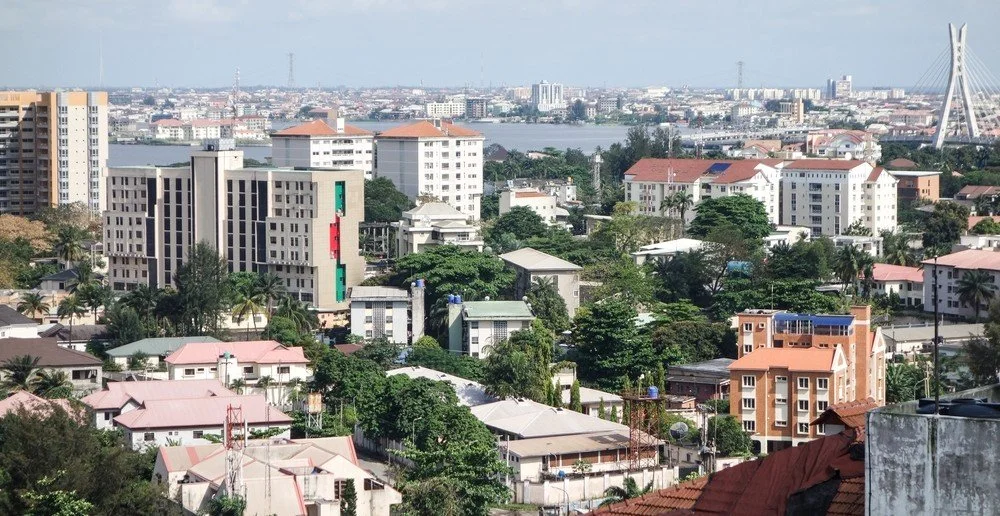
Africa's economic story is being written in its metropolitan hubs. Rather than viewing the continent through a wide country-level lens, sophisticated institutional funds, venture capitalists, and private equity investors know that the real value lies in localized urban ecosystems.
Driven by the African Continental Free Trade Area (AfCFTA) and massive urbanization, regional cities are scaling into self-contained economic powerhouses. If you are looking to deploy capital where it can yield maximum returns, look past generic indicators. From booming startup environments to industrial mega-projects, these are the best African cities for investment.
1. Johannesburg, South Africa (The Financial Heart)
Affectionately dubbed "Joburg," this city is the financial nervous system of Southern Africa. It controls a vast majority of the continent's institutional wealth and corporate capital networks.
Core Investment Sectors: Financial technology, banking, private equity, mining services, and commercial real estate.
The Investment Case: Johannesburg hosts the Johannesburg Stock Exchange (JSE), the largest and most liquid capital market in Africa. It is the premier corporate launchpad for multinational firms looking for highly sophisticated legal, banking, and wealth-management infrastructure.
2. Nairobi, Kenya (The Silicon Savannah)
Nairobi is the primary corporate and digital communications gateway into East Africa, pulling in a massive share of the continent's total venture capital inflows.
Core Investment Sectors: FinTech, AgriTech, renewable energy grids, and premium short-let hospitality.
The Investment Case: Backed by an incredibly tech-literate young population and widely integrated digital payments framework (pioneered by M-Pesa), Nairobi is highly attractive for early-stage and seed-stage technology investments. Its stable democratic reputation makes it a safe haven for international capital.
3. Cairo, Egypt (The Industrial Giant)
Positioned strategically at the intersection of Africa, Europe, and the Middle East, Cairo boasts a massive domestic consumer market and an aggressive industrial footprint.
Core Investment Sectors: Infrastructure, manufacturing, logistics, and mixed-use commercial real estate.
The Investment Case: Cairo’s investment landscape is being redefined by massive government-led modernization, exemplified by the multi-billion dollar New Administrative Capital (NAC). Favorable exchange-rate adjustments and widespread privatization make the entry valuation for factories and assembly lines highly attractive to foreign direct investment (FDI).
4. Lagos, Nigeria (The Tech & Consumer Mega-Market)
Lagos is West Africa's economic engine room. Despite currency adjustments, its sheer population density and aggressive commercial hustle make it an unignorable consumer hotbed.
Core Investment Sectors: Digital commerce, last-mile logistics, cold-chain storage, and real estate land banking.
The Investment Case: Lagos is the birthplace of Africa's leading tech unicorns. With structural changes transforming the trade landscape around the Lekki Deep Sea Port and Free Trade Zones, the city offers unparalleled upsides for investors looking to solve logistics, power, and supply chain inefficiencies at scale.
5. Casablanca, Morocco (The Nearshore Export Gateway)
Casablanca has masterfully positioned itself as the industrial link between Sub-Saharan Africa and the European Union, utilizing world-class port infrastructure.
Core Investment Sectors: Automotive manufacturing, aerospace assembly, clean energy, and maritime logistics.
The Investment Case: Operating inside stable macroeconomic parameters with direct access to European markets, Casablanca is the perfect fit for industrial investors focused on manufacturing goods locally and exporting them with minimal tariff exposure.
6. Abidjan, Côte d'Ivoire (The Francophone Powerhouse)
Abidjan is undergoing an infrastructure boom, establishing itself as the economic and financial epicenter for French-speaking West Africa.
Core Investment Sectors: Agri-processing (cashews and cocoa), retail banking expansion, and middle-market real estate.
The Investment Case: As the regional headquarter hub for the African Development Bank (AfDB) and major francophone conglomerates, Abidjan benefits from steady regional integration, low inflation rates under the CFA currency umbrella, and deep capital market maturity.
7. Kigali, Rwanda (The Pan-African Proof of Concept)
Kigali has successfully branded itself as Africa's premier testing ground for new business models, policy innovations, and sustainable city layouts.
Core Investment Sectors: MICE (Meetings, Incentives, Conferences, Exhibitions) tourism, eco-hospitality, and B2B SaaS platforms.
The Investment Case: Kigali ranks near the absolute top of the continent for its ease of doing business, zero-tolerance corruption policies, and lightning-fast regulatory registration protocols. It is the ideal city for rolling out corporate pilots before scaling them into larger markets.
| City & Country | Primary Capital Pull Factor | Dominant Growth Sectors | Strategic Risk Profile |
|---|---|---|---|
| Johannesburg (South Africa) | Deep Institutional Liquidity | Banking, Asset Management, Mining | Low to Moderate |
| Nairobi (Kenya) | Venture Capital & Innovation Hub | FinTech, AgriTech, Clean Energy | Moderate Stability |
| Cairo (Egypt) | Mega Infrastructure Projects | Manufacturing, Logistics, Real Estate | Structured / Stable |
| Lagos (Nigeria) | Massive Scale & Consumer Deficits | Digital Trade, Last-Mile Logistics, Land Banking | High Risk / Outsized Yield |
| Casablanca (Morocco) | Nearshore Export to EU | Aerospace, Automotive, Port Logistics | Very Low Risk |
Blueprint for Successful Deployment
To safely unlock maximum yields when investing in Africa's leading metropolitan corridors, keep these three structural parameters in mind:
Leverage Special Economic Zones (SEZs): Cities like Cairo, Casablanca, and Lagos house specialized zones that allow foreign investors to bypass traditional tax structures, claim long-term tax holidays, and easily repatriate profits in foreign currency.
Align with Regional Integration Trends: Always look for business models that can organically expand from their base city to capture larger markets using the trade frameworks of the African Continental Free Trade Area (AfCFTA).
Form Local Joint Ventures: The fastest way to smooth out licensing friction, navigate regulatory frameworks, and establish distribution networks is to partner with trusted corporate operators inside your target city.
Conclusion
The investment narrative across Africa is moving fast. Investors who back the right geographic centers—whether utilizing Johannesburg’s financial depth, anchoring within Nairobi's tech ecosystems, or expanding along Cairo’s industrial hubs are capturing massive growth curves that are increasingly difficult to match in Western or saturated Asian markets.