Jabi Area Guide: Living, Investing, and Enjoying Abuja’s Waterfront Neighbourhood
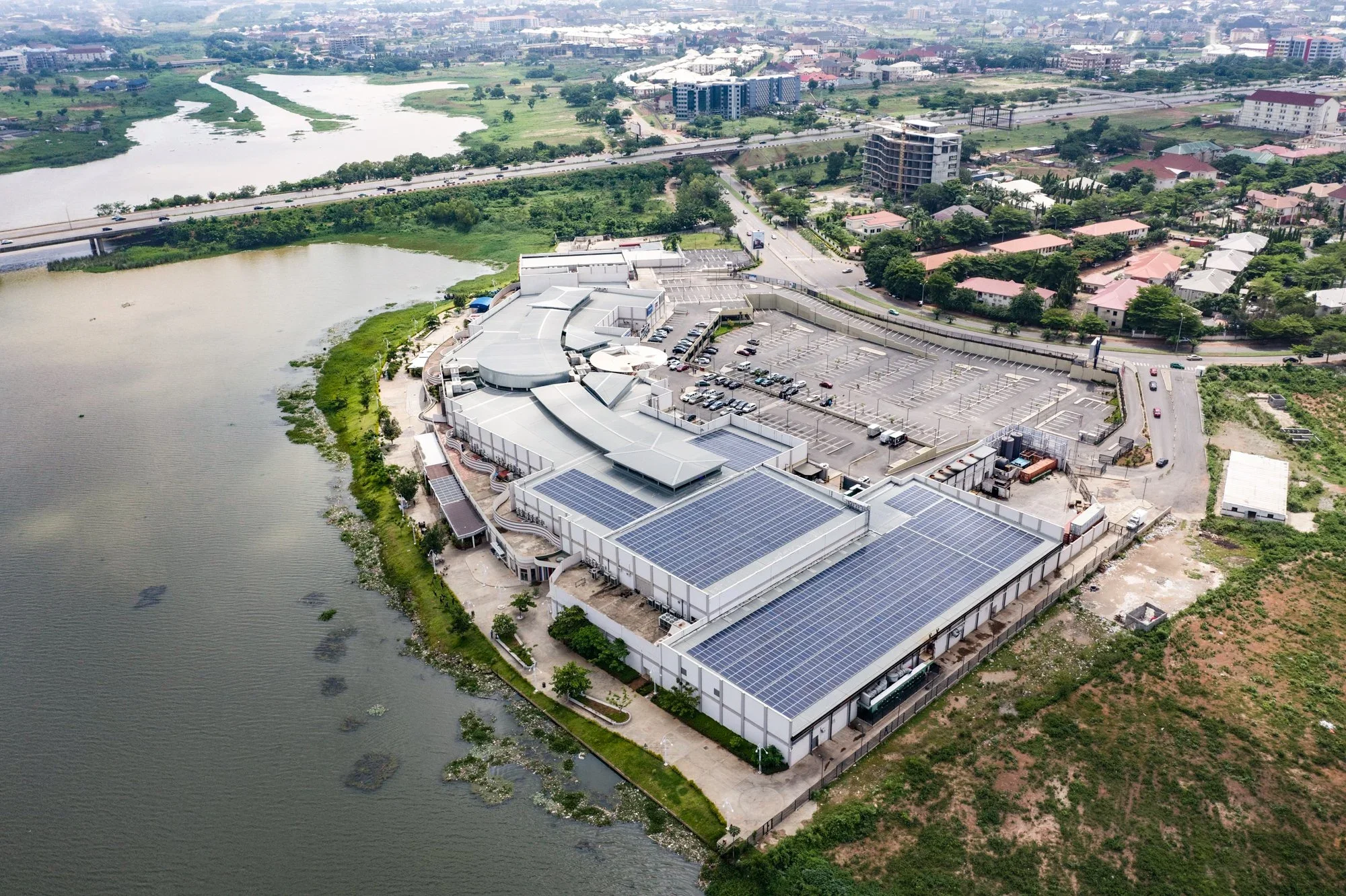
North-east of Abuja city Jabi
Jabi is where Abuja meets water literally. The glint of sunlight bouncing off Jabi Lake reflects the pace of the surrounding neighbourhood. Joggers trace the lakefront paths in the morning, families take weekend strolls, and cafés hum quietly with laptop-toting professionals sipping espresso.
Unlike the administrative buzz of Central Area or the elevated serenity of Guzape, Jabi feels balanced: lively yet approachable, modern yet human. It’s a district that promises convenience, community, and lifestyle in equal measure and it’s becoming one of the most sought-after areas for residents and investors alike.
Area Snapshot: Jabi at a Glance
Location: North-east of Abuja city center, adjacent to Gwarimpa and the Central Area corridor.
Character: Mixed-use, combining residential, commercial, and recreational spaces.
Key Landmarks: Jabi Lake Mall, Jabi Lake Park, multiple office complexes.
Proximity: 10–15 minutes from Central Area and Asokoro, 20 minutes to Abuja Airport.
Jabi’s positioning along the lakefront gives it a unique identity, a neighbourhood where urban living meets leisure and green space.
Overview & Identity: A Modern Lakeside Lifestyle
Jabi’s streets are lined with a mix of modern high-rise apartments, terraced houses, and gated estates. The area thrives on community-driven living: neighbors meet in parks, children play along tree-lined streets, and cafés host informal gatherings.
The lake defines much of Jabi’s charm. Jabi Lake Mall acts as a commercial hub, but the surrounding residential areas retain a calm, suburban feel. The district is designed for convenience: you can live, work, shop, and relax without leaving the neighbourhood.
Housing & Real Estate Overview
Jabi offers a variety of housing options, catering to young professionals, families, and investors.
Common Property Types
Modern apartments in high-rise developments
Terraced houses and semi-detached duplexes
Gated estates with amenities like pools and gyms
Serviced apartments for short-term rentals
Rental Prices (2025 Estimates)
One-bedroom apartment: ₦2m – ₦4m per year
Two-bedroom apartment: ₦3.5m – ₦7m per year
Three-bedroom apartment: ₦6m – ₦12m per year
Duplexes: ₦10m – ₦20m+ per year
Sale Prices
Apartments: ₦45m – ₦120m depending on location and finish
Duplexes: ₦150m – ₦350m for fully serviced units
Jabi’s lakeside advantage, modern developments, and growing commercial hubs justify the premium pricing relative to other mainland districts.
Price Trends & Market Performance
Jabi’s property market is on a steady upward trajectory. Rental demand remains high, particularly for lake-view apartments and gated communities. Off-plan projects attract investors because the neighbourhood is still expanding, and new commercial and retail developments continue to increase desirability.
While appreciation is gradual, properties near the lakefront or Jabi Lake Mall often outperform inland units.
Cost of Living
Jabi’s cost of living is moderately above Abuja’s mainland average, reflecting its modern amenities and lakefront positioning.
Groceries and daily shopping are slightly higher than in older districts like Garki.
Dining ranges from casual cafés to mid-tier restaurants, with weekend traffic around the lake boosting leisure spending.
Transportation costs are reasonable given proximity to Central Area and Gwarimpa.
Residents often save on commuting, making up for slightly higher living expenses.
Transport & Accessibility
Jabi is well connected:
Major roads link the district to Central Area, Gwarimpa, and Apo.
Ride-hailing and taxis are readily available.
Traffic can peak during weekends and rush hours, especially near Jabi Lake Mall.
Public transport is improving, but most residents rely on private vehicles for convenience.
Lifestyle, Amenities & Infrastructure
Recreation: Jabi Lake Park and surrounding
green spaces are perfect for families, joggers, and outdoor events.
Shopping & Dining: Jabi Lake Mall is the main commercial hub, housing supermarkets, restaurants, boutiques, and entertainment venues. Smaller retail centres and local markets cater to everyday needs.
Healthcare: Clinics, diagnostic centres, and pharmacies are distributed within the neighbourhood, while larger hospitals are a short drive away.
Education & Worship: Schools and places of worship are integrated into residential areas, making family life manageable without long commutes.
Safety, Risks & Planning Considerations
Jabi is generally secure, with gated communities and visible private security in residential areas.
Potential considerations:
Weekend traffic congestion near the lakefront and mall
Flooding risk for properties closest to the lake during heavy rains
New developments may temporarily disrupt traffic and utility connections
Despite minor challenges, residents report a high sense of safety and community engagement.
Who Jabi Is Best Suited For
Families: Good for children, parks, schools, and quiet residential streets.
Young Professionals: Modern apartments, easy commute, proximity to commercial hubs.
Investors: Rental demand is strong for lake-view apartments and gated estates.
Students: Close to universities in the Central Area corridor and Garki.
Frequently Asked Questions
Is Jabi a good place to live in Abuja?
Yes. Its lakeside location, modern housing, and convenient amenities make it highly desirable.
How much is rent in Jabi?
Rent ranges from ₦2m for one-bedroom apartments to ₦20m+ for duplexes annually.
Is Jabi expensive?
It is moderately high-cost compared to older mainland districts but more affordable than premium districts like Maitama.
What types of properties are common in Jabi?
High-rise apartments, terraced houses, gated estates, and serviced apartments dominate the market.
Is Jabi safe?
Yes, particularly in gated estates and areas close to the lakefront. Normal urban precautions apply.
Is Jabi good for investment?
Yes. Strong rental demand, lakefront appeal, and ongoing development make it an attractive option for investors.