
Stakeholders Renew Calls for Land Use Act Reform to Unlock Nigeria’s Urban and Economic Potential
Leaders in Nigeria’s housing, urban planning, and land administration sectors have urged an urgent overhaul of the Land Use Act (LUA), citing outdated provisions that hinder tenure security, land acquisition, compensation, and title registration. The recommendations were made at the 3rd International Conference and Fair on Land and Development and the 7th Lateef Jakande Lecture, held at the University of Lagos and organised by the UNILAG Centre for Housing and Sustainable Development (CHSD), the ARUA Centre of Excellence in Urbanisation and Habitable Cities, and the Real Estate Developers Association of Nigeria (REDAN).
The conference, themed “Sustainable Land Development and Urban Infrastructure in Africa,” brought together policymakers, real estate developers, academic leaders, and urban development experts.
Land Reform as a Catalyst for Economic Growth
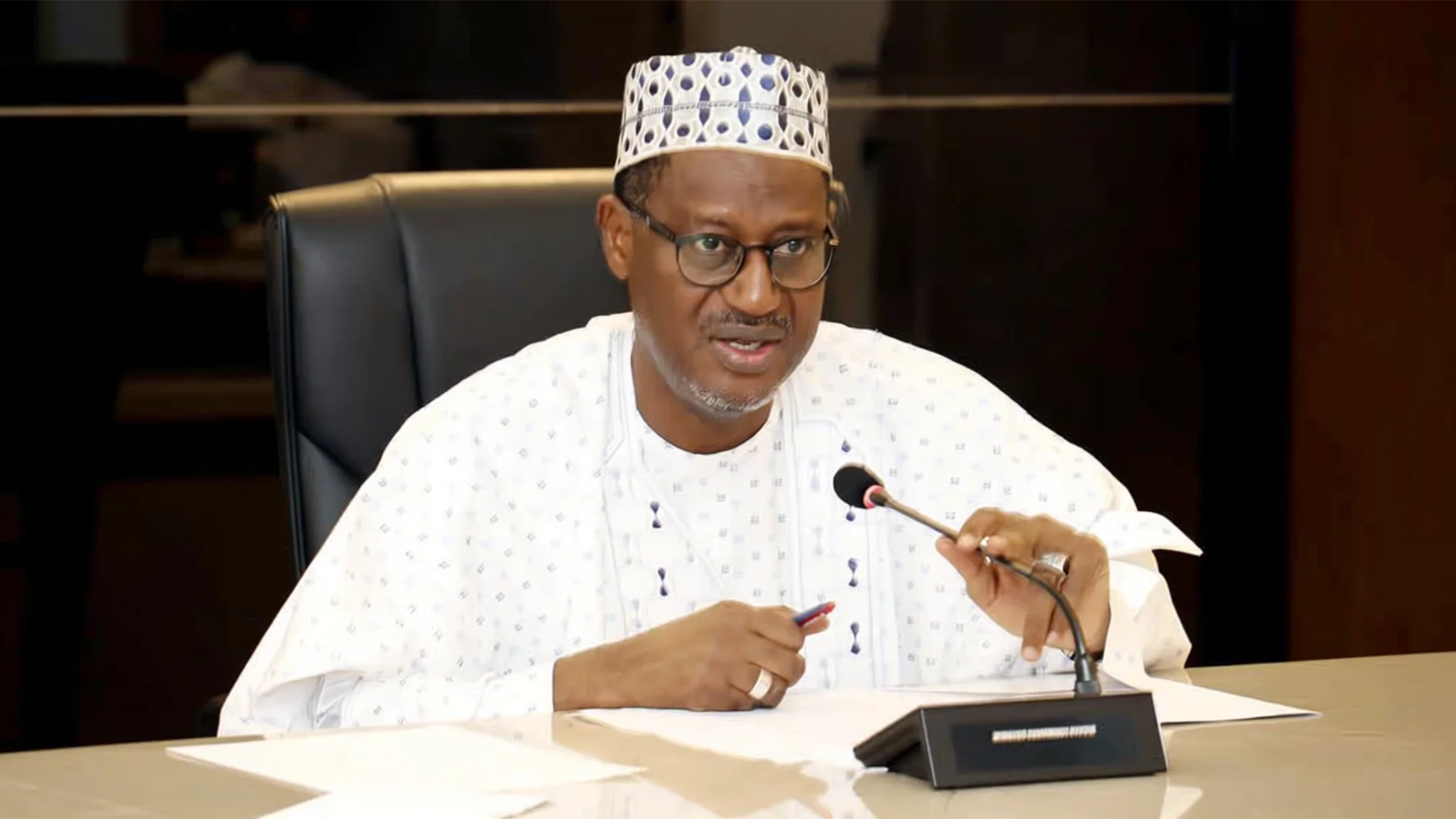
Minister of Housing and Urban Development, Ahmed Dangiwa, emphasised that structural reform of the LUA is critical for transforming Nigeria into a trillion-dollar economy. Speaking through the Managing Director of the Federal Mortgage Bank of Nigeria, Shehu Osidi, the minister highlighted the launch of the National Land Registry in Kano, designed to digitise land records, unify title processes, improve service delivery, and unlock over $300 billion in dormant capital nationwide.
Dangiwa urged states to allocate 1–3% of annual budgets to land administration, with half earmarked for digitisation, cadastral surveys, and dispute resolution. He further warned that rapid urbanisationparticularly the 70% occurring in informal settlements across Africa, could exacerbate future housing and infrastructure crises without stronger land governance.
Advancing Digital and Integrated Land Administration
Conference speakers advocated for broader stakeholder collaboration, reduced bureaucracy, and the adoption of digital tools such as GIS and blockchain to streamline title registration and improve transparency. Chudi Ubosi, Principal Partner at Ubosi Eleh & Company, stated that simplifying access to land titles is fundamental for attracting investment and unlocking economic growth.
UNILAG Vice Chancellor, Prof. Folasade Ogunsola, highlighted the need for evidence-based urban planning to accommodate an expected 950 million new urban residents in Africa by 2050. She emphasised investments in climate resilience, transport systems, land-use efficiency, and smart cities as essential to preventing infrastructure collapse and rising inequality.
Public-Private Partnerships and Affordable Housing
REDAN President, HRM Oba Akintoye Adeoye, praised the late Lateef Jakande for his visionary social housing model, calling for modern adaptation of these principles to address rising construction costs and Nigeria’s widening housing deficit. Adeoye stressed the importance of innovative financing, stronger public-private partnerships, and transparent regulation to expand affordable housing delivery.
Similarly, Lagos State Commissioner for Housing, Moruf Akinderu-Fatai, highlighted Jakande’s legacy, noting that over 30,000 affordable housing units were delivered during his administration. He underlined the need to ensure families no longer face trade-offs between affordability and dignity in housing provision.
Towards a Future-Ready Land and Urban Framework
Speakers consistently emphasised that comprehensive reform of the LUA, coupled with digital titling, integrated planning, and sustainable urban infrastructure, is essential to position Nigeria as a competitive and investment-friendly economy. Strengthening land governance, unlocking dormant capital, and ensuring inclusive urban development remain central priorities for policymakers, developers, and investors.
