
House of Representatives Tajudeen Abbas Denies Involvement in N18.6bn NASC Headquarters Project
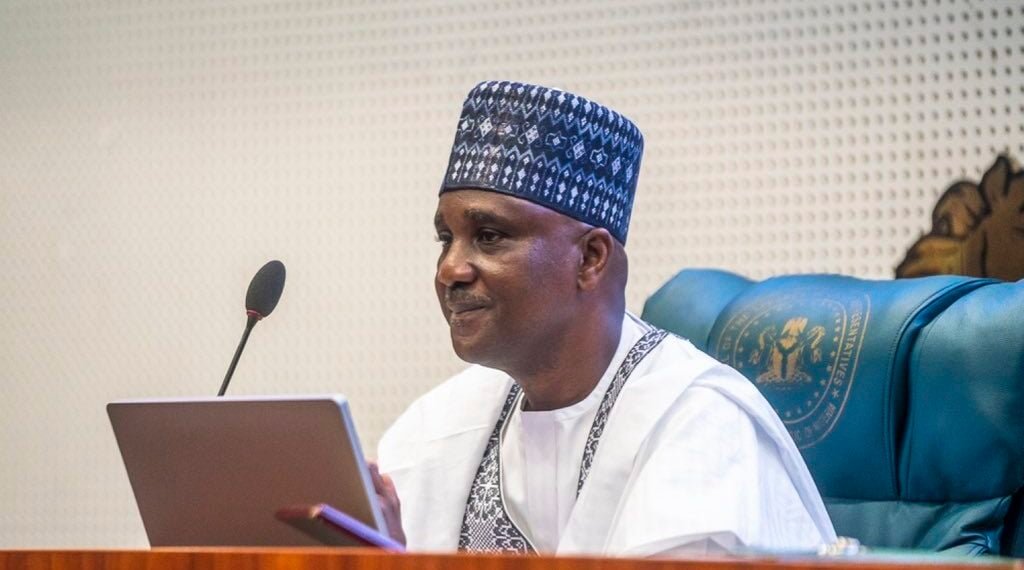
Speaker Abbas Denies Role in N18.6bn NASC Headquarters Contract, Calls SERAP Claims Misleading
The Office of the Speaker of the House of Representatives has rejected claims by the Socio-Economic Rights and Accountability Project (SERAP) that Speaker Tajudeen Abbas is accountable for the N18.6 billion allocated to the National Assembly Service Commission (NASC) headquarters building in Abuja, describing the assertions as misleading.
In a statement issued by his Special Adviser on Media and Publicity, Musa Krishi, Abbas stated that he has no direct or indirect involvement in the award, supervision, or payment of contracts within the National Assembly or its agencies. He emphasised that project procurement and execution fall solely under the administrative bureaucracy, which operates under statutory leadership and established procurement frameworks.
Krishi reiterated that the NASC headquarters project was conceived, awarded, and executed prior to the current House leadership assuming office, noting that SERAP’s own correspondence acknowledged this timeline. He stressed that linking the Speaker to the contract constitutes a misrepresentation of facts and urged the public and media to respect institutional boundaries between political leadership and administrative contract management.
SERAP had called on Speaker Abbas and Senate President Godswill Akpabio to provide detailed accounts of the N18.6 billion expenditure following the publication of the Auditor-General of the Federation’s 2022 audit report. The report highlighted irregularities, including the disbursement of over N11.6 billion in August 2020 to an unverified construction company and an additional N6.9 billion in November 2023 allegedly for converting a roof garden into office space.
The civil society organisation requested comprehensive documentation, including the contractor’s details, procurement records, bid advertisements, contract agreements, and evidence of Federal Executive Council approval. SERAP also raised concerns about the legitimacy of the contractor, describing it as potentially fictitious.
Institutional Boundaries and Governance
The Speaker’s office underscored that the political leadership of the National Assembly does not interfere with contractual processes and that administrative bodies are solely responsible for project management and oversight. By clarifying these boundaries, the statement aimed to correct public perception and prevent misinformation regarding the responsibilities of elected officials versus administrative agencies
Conclusion
The clarification from Speaker Abbas’ office reinforces the separation between political leadership and administrative functions within the National Assembly. Analysts suggest that ensuring transparency and accountability in large-scale public projects requires adherence to institutional procedures and accurate representation of oversight responsibilities, particularly in the context of civil society scrutiny and audit findings.
