
Nigeria’s Housing Sector Faces Challenges: Experts Call for Regulation, Affordable Homes, and Infrastructure Investment
Nigeria’s housing and built environment sectors are confronting increasing scrutiny as stakeholders call for stronger regulation, professional oversight, and strategic interventions to address the nation’s housing deficit and promote sustainable urban development.
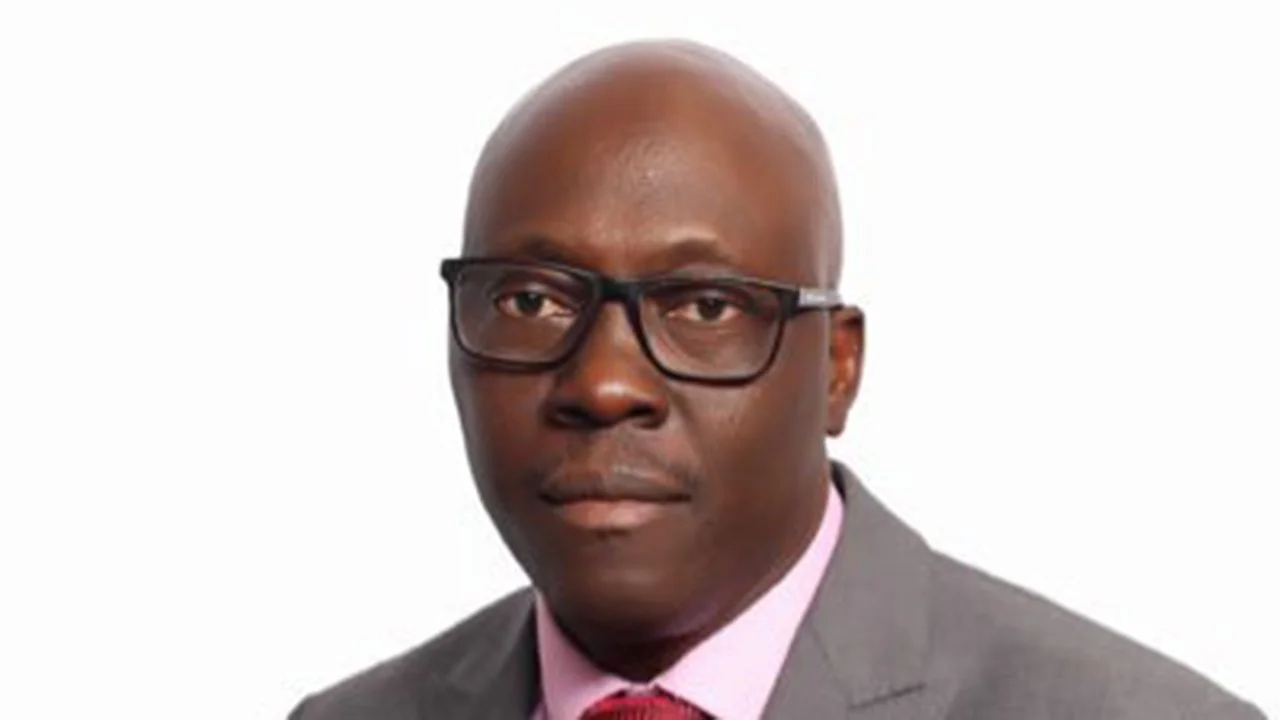
Akintoye Adeoye, President of the Real Estate Developers Association of Nigeria (REDAN), highlighted the growing incidence of fraudulent developers and unethical practices in the sector. He called for a multi-pronged approach to protect investors, including stricter enforcement of professional ethics, the operationalisation of the Real Estate Regulatory Council of Nigeria (RECON), and collaboration with the Nigerians in Diaspora Commission (NIDCOM).
Adeoye identified bureaucratic bottlenecks in land administration, indiscriminate demolitions, high financing costs, limited long-term mortgage products, poor infrastructure, and dependence on imported building materials as major obstacles to private sector-led housing development. He urged policymakers to streamline land titling processes, recapitalise the Federal Mortgage Bank of Nigeria (FMBN), and incentivise local building materials production to improve housing accessibility.
Rising Rents and Affordability Challenges
Across Lagos, residential rents have reportedly surged between 80–100 percent, placing significant strain on low- and middle-income households. Daily Trust reports that some areas, including Ikorodu, Agege, Alagbado, Egbeda, Ikotun/Igando, Ojo, Mushin, and Ajegunle, remain relatively affordable, though considerations of safety and accessibility influence housing choices.
Real estate expert Ganiyu Idris advised renters to prioritise proximity to workplaces to reduce commuting costs and enhance quality of life, highlighting the broader implications of urban congestion and housing scarcity on productivity.
Professional Standards and Regulatory Oversight
The Nigerian Institute of Architects (NIA) has raised concerns over unlicensed practitioners in the built environment. Outgoing President Mobolaji Adeniyi and incoming President Sani Saulawa warned that unregistered individuals compromise structural integrity and public safety. Adeniyi noted that architecture contributes approximately 6 percent of Nigeria’s GDP, equating to N6.17 trillion annually, while Saulawa emphasised that investigations into building collapses rarely involve certified architects.
The NIA intends to strengthen public awareness, enforce professional ethics, and enhance regulatory oversight to safeguard the built environment and support sustainable development.
Towards Integrated Housing Solutions
Experts argue that Nigeria’s housing crisis requires coordinated efforts across government, professional associations, and the private sector. Expanding housing stock, promoting affordable homeownership, and ensuring quality infrastructure are essential to supporting economic growth and urban resilience.
A strategic combination of policy reform, professionalisation of the sector, and investment in local construction capacity is necessary to close the housing gap and protect residents from unsafe living conditions and inflated rental markets.
Conclusion
Nigeria’s housing sector faces structural, financial, and regulatory challenges that threaten both accessibility and safety. Experts advocate for reforms that strengthen governance, enhance professional standards, and foster sustainable urban development, emphasising that the country’s long-term economic stability is closely linked to its ability to provide adequate, affordable, and safe housing.
