
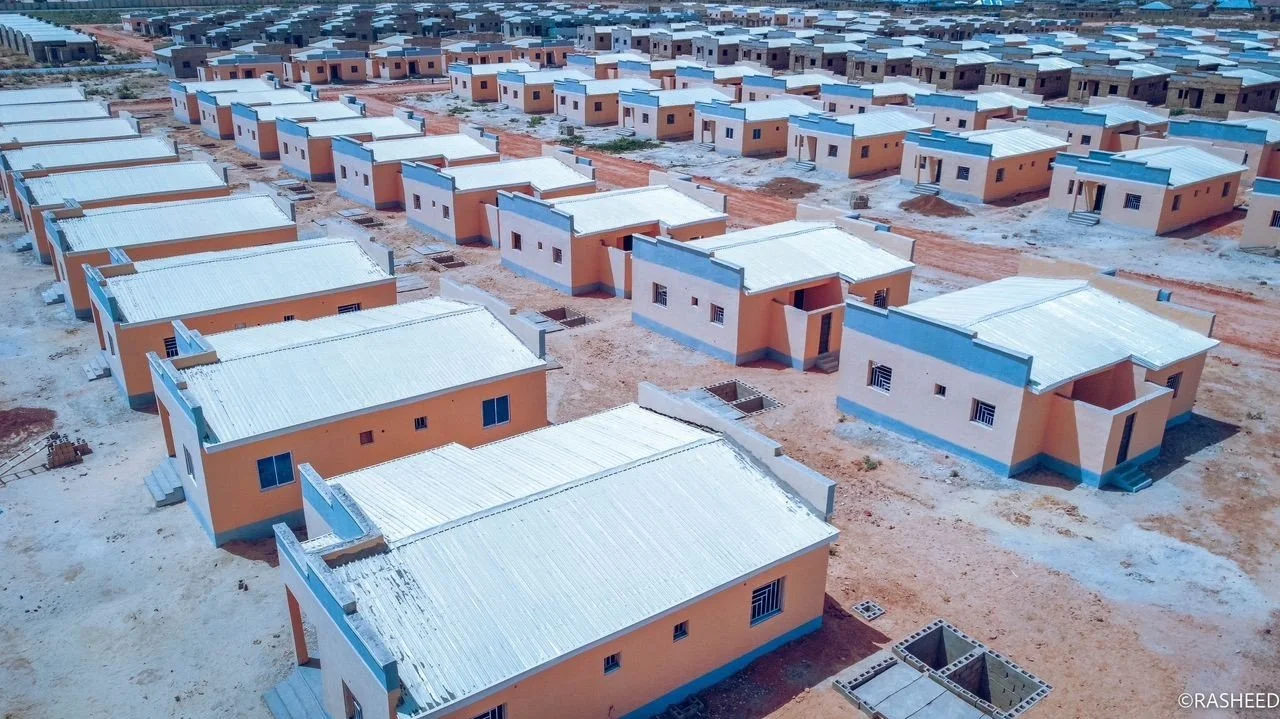
Governments in Nigeria’s major cities, notably Lagos, are intensifying efforts to develop planned urban communities to alleviate congestion, expand housing options, and promote economic development. These projects, including Gracefield Island, Orange Island, and Periwinkle Estate, integrate residential, commercial, industrial, transport, and leisure infrastructure to create sustainable urban hubs.
Experts at the 4th UPDC Real Estate Summit in Lagos highlighted the critical role of new towns in addressing Nigeria’s estimated 28 million housing deficit. Franklin Nnaemeka Ngwu, Professor of Strategy and Governance at Lagos Business School, emphasised that real estate now constitutes the third-largest contributor to Nigeria’s GDP, accounting for 12.8% in Q2 2025, following crop production and trade.
Ngwu noted that new towns provide substantial opportunities for employment, construction, logistics, finance, and long-term urban development. “Real estate is more than structures; it represents opportunity and prosperity,” he said, stressing that deliberate planning mitigates unregulated urban sprawl and enhances productivity.
Investment and Development Opportunities
The summit underscored the potential for both affordable and premium housing markets. According to Ngwu, developers such as UPDC stand to benefit from expanding urban projects, while increasing investor interest in development finance instruments and Real Estate Investment Trusts (REITs) signals confidence in the sector.
Lagos State Commissioner for Physical Planning and Urban Development, Oluyinka Olumide, stressed the importance of governmental oversight in guiding the development of new communities. He noted that strategic urban planning, population redistribution, and regulatory supervision are essential to creating balanced and economically vibrant districts.
Olumide explained that Lagos is actively creating new business districts to ease the pressure on Lagos Island and distribute economic activity more evenly across the state. He added that robust infrastructure planning is critical to ensuring these communities evolve into sustainable and productive urban hubs.
Future Outlook
Stakeholders agreed that Nigeria’s urban trajectory hinges on current planning and investment decisions. With deliberate regulation, integrated development, and active collaboration between government and the private sector, new towns and emerging urban communities are positioned to substantially reduce the housing deficit, create employment opportunities, and support long-term national economic growth.
Key Takeaways
Lagos and other cities are developing new towns to relieve urban congestion and expand housing.
Integrated urban planning aligns housing with commerce, industry, and leisure.
The real estate sector contributes 12.8% to Nigeria’s GDP as of Q2 2025.
Private developers and investors are increasingly targeting affordable and premium housing projects.
Government oversight is critical to sustainable urban expansion and economic growth.
