
New Urban Communities in Nigeria Set to Reduce Housing Deficit and Stimulate Economic Growth
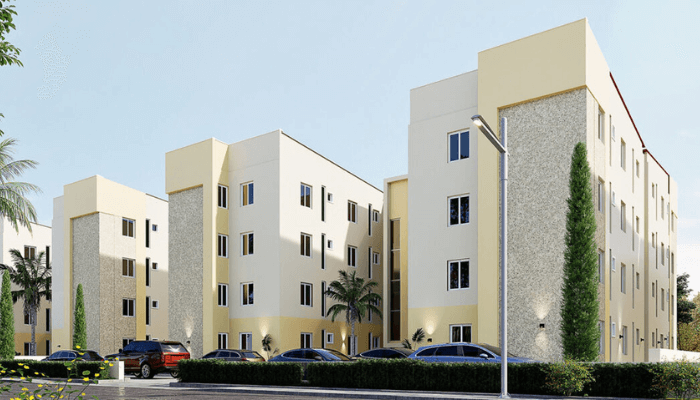
New Urban Communities in Nigeria Set to Reduce Housing Deficit and Stimulate Economic Growth
Governments in Nigeria’s major cities, particularly Lagos, are accelerating the development of planned urban communities to alleviate housing shortages, reduce city-centre congestion, and catalyse economic growth. Experts argue that these initiatives, if strategically implemented, could transform the nation’s housing sector and urban economy.
Planned communities such as Gracefield Island, Orange Island, and Periwinkle Estate are designed to integrate residential, commercial, industrial, and leisure functions within a cohesive urban framework. These developments aim to ease the pressure on densely populated city centres, ensuring more balanced population distribution while fostering long-term economic and social stability.
According to participants at the 4th UPDC Real Estate Summit in Lagos, Nigeria’s housing deficit of approximately 28 million units represents both a critical challenge and a strategic opportunity for sustainable economic development.
Real Estate as a Driver of Economic Expansion
Professor Franklin Nnaemeka Ngwu of Lagos Business School highlighted the role of real estate as Nigeria’s third-largest GDP contributor, accounting for 12.8% in the second quarter of 2025, trailing only crop production and trade. He emphasised that new towns provide extensive opportunities for job creation, construction activities, logistics, financial services, and broader urban development initiatives.
Ngwu further noted that carefully planned urban expansions help mitigate the risks of unregulated sprawl, improve productivity, and attract private and institutional investment into both affordable and premium housing markets. Investor interest in development finance and Real Estate Investment Trusts (REITs) underscores the sector’s growing credibility and potential.
Government’s Role in Shaping Urban Futures
Lagos State Commissioner for Physical Planning and Urban Development, Oluyinka Olumide, stressed that government oversight is critical in guiding the development of new towns. Regulatory frameworks, infrastructure planning, and the creation of new business districts are essential to easing population pressure on established urban centres like Lagos Island.
Commissioner Olumide highlighted that integrated planning and robust infrastructure development are key to transforming emerging urban communities into vibrant, economically productive hubs. Strategic interventions today, he argued, will determine the sustainability and efficiency of Nigeria’s urban landscape in the decades ahead.
Conclusion
Experts at the summit concurred that deliberate planning, innovative financing, and regulatory support are essential to addressing Nigeria’s housing deficit. The rise of new urban communities presents an opportunity not only to expand housing supply but also to stimulate economic growth, enhance livability, and modernise urban governance. With coordinated efforts from government, developers, and investors, Nigeria’s urban future could be shaped by sustainable, inclusive, and strategically planned communities.
