
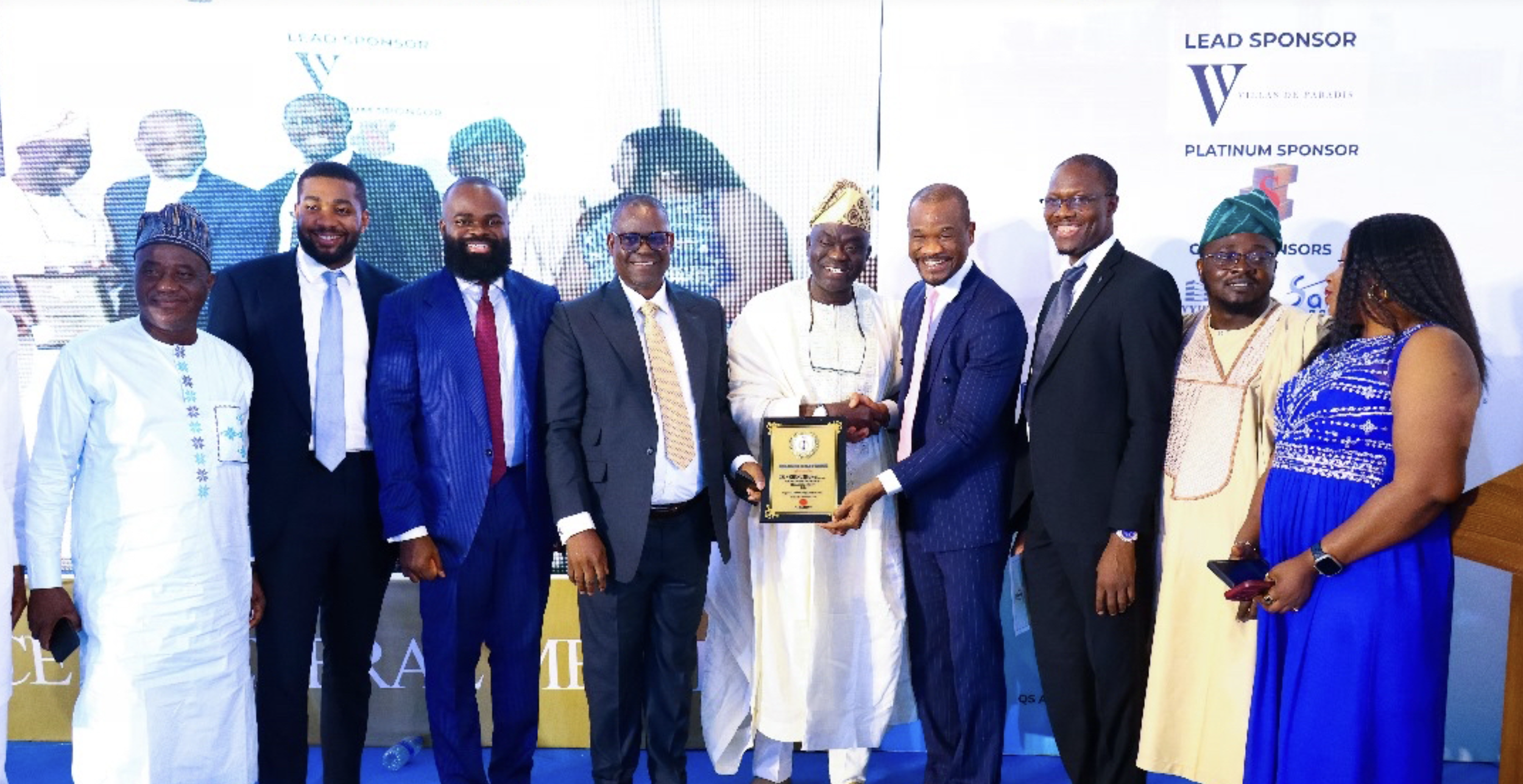
Dr Richard Nyong, Founder and Chief Executive Officer of Lekki Gardens Group, has received another major national honour, marking his fourth recognition in four years and reinforcing his growing profile as one of Nigeria’s most influential figures in real estate and housing development.
The latest recognition places renewed attention on Nyong’s role in large scale housing delivery, urban development, and job creation at a time when Nigeria’s housing deficit and affordability challenges remain acute. Industry observers say the honour reflects not only personal achievement but also the increasing importance of private sector led housing solutions in Nigeria’s development agenda.
A Track Record in Housing Delivery
Lekki Gardens Group has become one of the country’s most visible residential developers, with estates delivered across Lagos and other strategic urban corridors. Over the years, the company has focused on mass housing, mid income residential estates, and planned communities, helping to expand formal housing supply in high demand areas.
Nyong’s leadership has been closely associated with large scale estate development, improved construction standards, and structured delivery models that appeal to homebuyers seeking predictable pricing and title security. His projects have also supported supporting infrastructure such as internal roads, drainage systems, and basic utilities within residential communities.
Job Creation and Local Economic Impact
Beyond housing units, Nyong’s work has had a wider economic footprint. Lekki Gardens’ projects have generated thousands of direct and indirect jobs across construction, engineering, materials supply, estate management, and professional services.
For many local contractors and artisans, large residential developments have provided steady employment opportunities during periods of economic uncertainty. Analysts note that this job creation role is increasingly critical as construction and real estate remain among Nigeria’s largest non oil employers.
Recognition Beyond Real Estate
The national honours awarded to Nyong over the past four years extend beyond property development alone. They reflect broader contributions to entrepreneurship, private sector leadership, and national development.
According to industry stakeholders, repeated recognition at the national level signals growing acceptance of real estate development as a core pillar of economic growth rather than a purely speculative activity. It also highlights the role of indigenous developers in addressing housing supply gaps that government programmes alone have struggled to close.
What This Means for Nigeria’s Housing Sector
Nyong’s recognition comes at a sensitive moment for Nigeria’s housing market. Rising construction costs, financing constraints, and infrastructure gaps continue to limit housing affordability and slow new supply. In this context, the spotlight on successful private developers reinforces the need for policies that support long term housing delivery, access to finance, and predictable regulatory frameworks.
For investors and policymakers, the message is clear. Scaling housing delivery requires stable partnerships between government, developers, and financiers. Recognising developers with a consistent delivery record sends a signal that execution, not announcements, remains central to solving Nigeria’s housing challenge.
A Broader Industry Signal
As Dr Richard Nyong’s profile continues to rise nationally, his recognition is being viewed as a broader endorsement of structured housing development and long term investment in real assets. For an industry often challenged by trust deficits and project delays, the honours serve as a reminder that sustained delivery and impact can earn both market confidence and national acknowledgement.
The growing spotlight on Nyong’s work underscores a wider shift in Nigeria’s real estate narrative, from speculative growth to measurable impact in housing, employment, and urban development.