
Analysts See Scope for Naira Recovery Toward ₦1,350/$ by 2026 as FX Fundamentals Improve
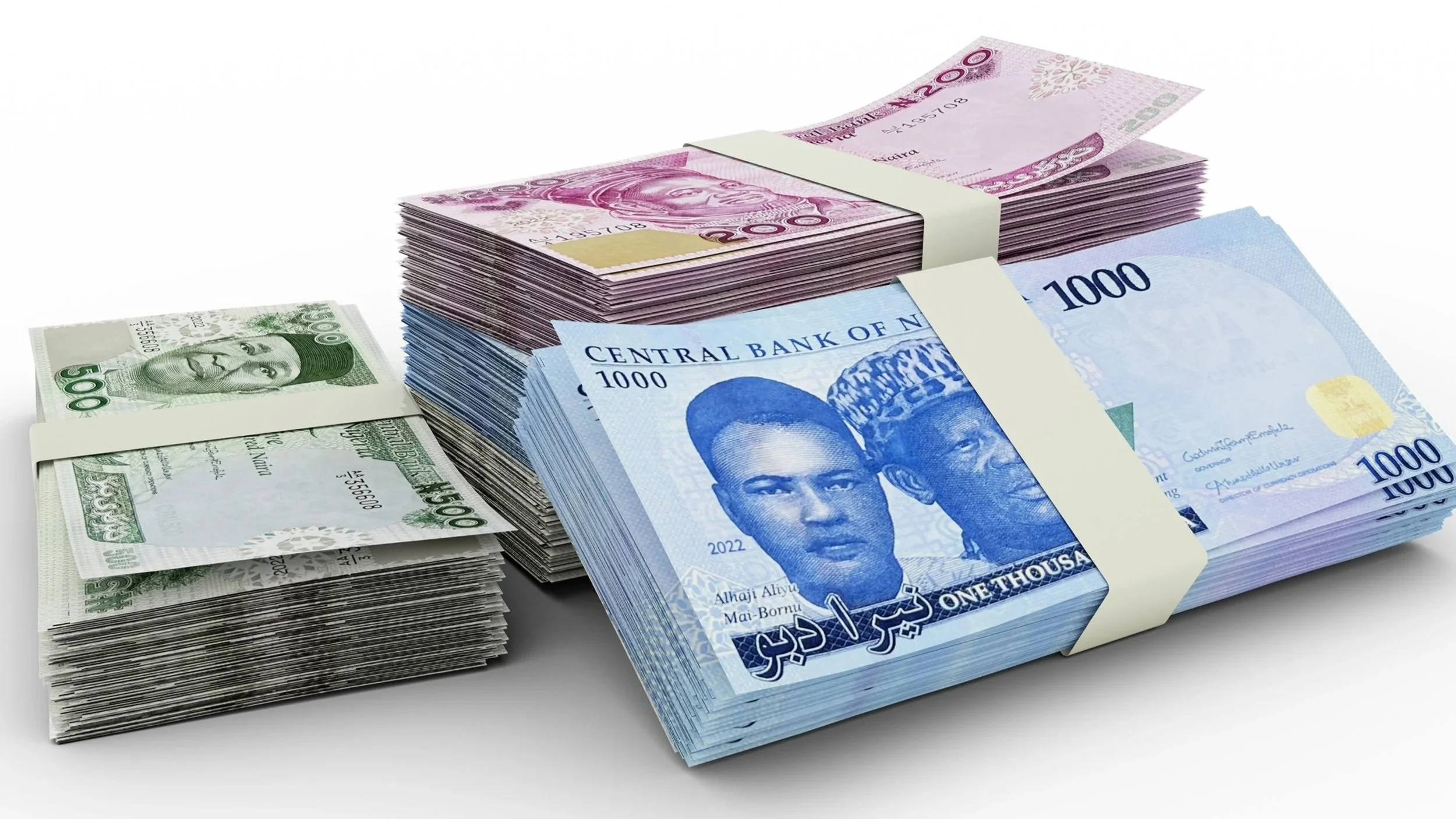
Naira Outlook 2026: Analysts Project Stronger FX Stability as Fundamentals Improve
Nigeria’s currency could regain further ground over the medium term, with analysts projecting a firmer naira by the end of 2026, supported by improving foreign exchange conditions, stronger capital inflows, and sustained macroeconomic reforms. According to projections by Cordros Securities, these developments may help stabilise the exchange rate within a narrower and more predictable band.
In its 2026 macroeconomic outlook, Cordros Securities assesses that Nigeria’s foreign exchange market is gradually adjusting after several years of structural distortion. The firm expects the naira to trade within a ₦1,450 to ₦1,350 range through 2026, reflecting improving liquidity, reduced speculative pressures, and better price discovery in the official market.
The analysts note that policy consistency particularly in exchange rate management and monetary tightening has begun to restore confidence among foreign portfolio investors and exporters. Higher FX inflows from non-oil sources and multilateral financing are also expected to play a stabilising role.
Valuation models point to undervaluation
Cordros’ assessment suggests that the naira remains undervalued relative to its long-term fundamentals. Using the Behavioural Equilibrium Exchange Rate (BEER) framework, which links currency values to productivity trends, fiscal balances, trade dynamics, and risk premiums, the firm estimates that the naira is trading well below its implied fair value.
The model indicates that, despite recent gains, the currency remains almost one-fifth below equilibrium, although this represents a significant improvement from the deeper undervaluation recorded in 2024. The narrowing gap reflects tighter macroeconomic controls and gradual rebalancing within the FX market.
This assessment aligns with broader international metrics. According to estimates referenced from the International Monetary Fund’s Real Effective Exchange Rate index, the naira has been trading at a substantial discount to its long-run fair value, underscoring potential room for appreciation if reforms are sustained.
Risks that could reverse gains
While the baseline outlook is constructive, Cordros highlights downside risks that could reintroduce pressure on the currency. These include election-related liquidity expansion, a sustained decline in global oil prices below fiscal breakeven levels, or renewed global risk aversion that limits capital flows to emerging markets.
Under such conditions, weaker trade balances and capital outflows could push the naira back into depreciation territory by the end of 2026. The analysts stress that policy discipline will remain critical in mitigating these risks.
Recent performance shows tentative stabilisation
Market data indicate that the naira’s performance in 2025 marked a break from a multi-year trend of consistent depreciation. After opening the year under pressure, the currency showed signs of recovery during periods of global dollar weakness and improved domestic liquidity conditions.
Although volatility persisted in the first half of the year, the second half saw relatively stronger outcomes, with the naira holding broadly within the ₦1,400 band for extended periods. This performance represents the first full year of net appreciation since 2019, signalling tentative progress toward stability.
What this means for investors and policymakers
For investors, a more stable naira could reduce currency risk premiums and improve the attractiveness of naira-denominated assets, particularly fixed-income securities. For policymakers, the outlook reinforces the importance of maintaining fiscal restraint, protecting FX inflows, and deepening non-oil revenue mobilisation.
Cordros’ projection of a stronger naira by 2026 reflects cautious optimism grounded in improving fundamentals rather than short-term market sentiment. While risks remain, sustained policy credibility and continued FX market reforms could support a more stable and predictable currency environment, with positive implications for investment planning and macroeconomic management.
