
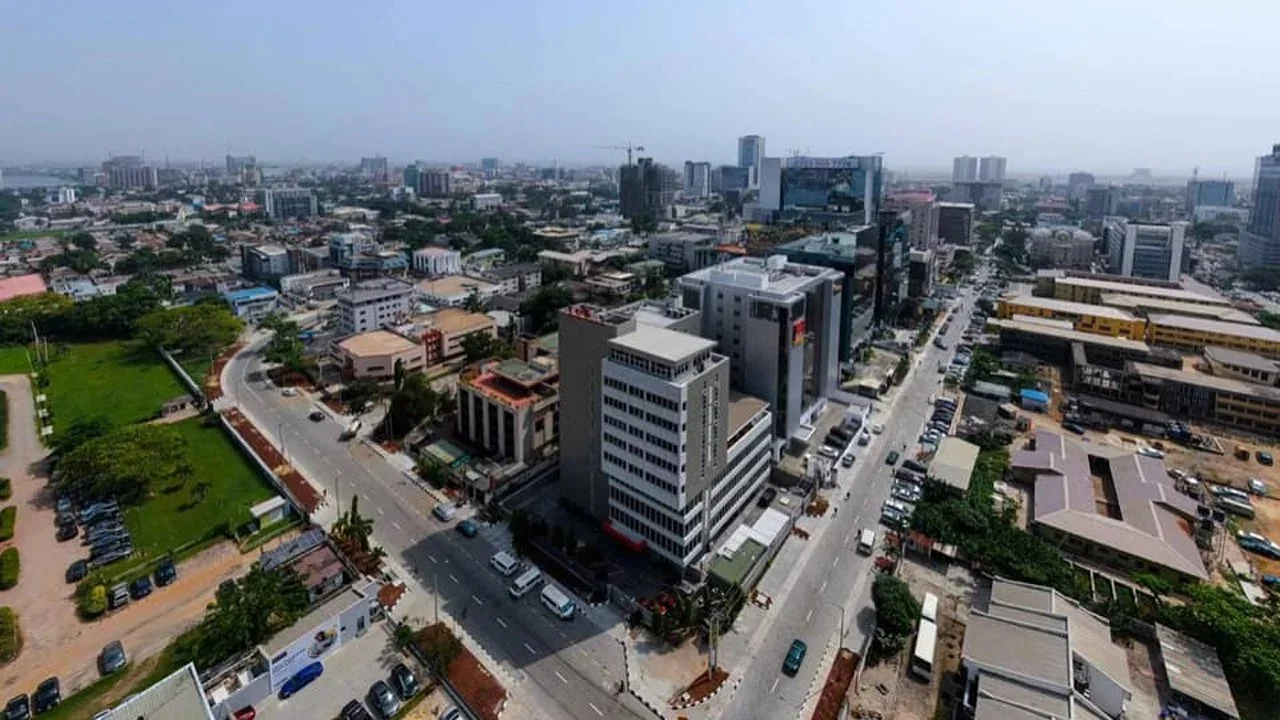
Lagos Accelerates New Town Development to Manage Population Growth
The Lagos State Government has reaffirmed that the development of new towns is now a central component of its long-term spatial and economic planning strategy, as the state confronts rapid population growth, limited land availability, and increasing strain on urban infrastructure. Dr Oluyinka Olumide, Commissioner for Physical Planning and Urban Development, disclosed this at the UPDC 4th Annual Real Estate Summit in Lagos, where policymakers and industry leaders assessed emerging solutions for the megacity’s future.
Lagos hosts an estimated twenty-five million residents within a landmass representing less than one percent of Nigeria’s geographical area. This density, alongside sustained internal and external migration, continues to burden the state’s housing supply, transportation network, and environmental systems.
Olumide explained that traditional expansion models can no longer accommodate Lagos’s growth trajectory. New towns, he noted, offer a structured approach for redistributing population pressures, opening new corridors for investment, and reducing congestion in already saturated districts.
Structured Urban Expansion and Regulatory Compliance
According to the commissioner, the state government is currently updating multiple planning frameworks and operational guidelines to ensure that emerging communities are properly regulated from inception. This includes expanded physical development plans, stricter layout approvals, and deeper collaboration with private developers.
He emphasised that unplanned settlements, often resulting from poor compliance, land disputes, and encroachments, have contributed to infrastructure deficits in parts of the state. Strengthening regulatory enforcement remains a priority in the delivery of resilient and orderly new communities.
Environmental Considerations and Climate-Resilient Design
Environmental and climate risks also shape the state’s new town agenda. Olumide highlighted that natural drainage channels across Lagos Island and adjoining coastal zones have been disrupted over decades, intensifying flood vulnerability.
Developing new towns with modern drainage systems, protected ecological corridors, and climate-resilient layouts, he said, aligns with Lagos’s broader effort to reduce environmental exposure and enhance long-term livability.
The commissioner noted that planned growth corridors present substantial opportunities for investors in technology hubs, logistics platforms, industrial districts, tourism infrastructure, and mixed-use residential projects. The state is also working with Ogun and Ondo to strengthen regional integration and facilitate free movement of people, goods, and services.
Industry Leaders Call for Strategic, Large-Scale Urban Solutions
Speaking at the summit, Professor Franklin Ngwu of Lagos Business School warned that Nigeria’s long-standing failure to anticipate population growth poses significant risks to national development. He stated that new towns designed to integrate housing, transport, education, commerce, and employment can offer a sustainable pathway for easing pressure on overstretched cities.
Ngwu underscored the real estate sector’s contribution of roughly 12.8% to national GDP and argued that coordinated, large-scale developments can unlock broader economic value, especially when linked to transport infrastructure and emerging markets.
Private Sector Sees New Towns as a Practical Solution
UPDC Chief Executive Officer, Odunayo Ojo, said the summit was timely, pointing to rising congestion along corridors such as the Lekki–Epe axis, where infrastructure is lagging behind rapid residential and commercial expansion. He stressed that new towns provide a practical means to reduce commuting times, enhance service delivery, and support future generations with adequate social and economic amenities.
Forward Outlook
New town development is set to play an increasingly decisive role in Lagos’s future planning strategy. With population growth expected to continue, the state government aims to deliver well-regulated, climate-resilient communities that can absorb demand, attract investment, and maintain Lagos’s status as West Africa’s leading economic centre.
